As climate-conscious travel becomes a global priority, the hospitality industry in Europe is stepping up. A new generation of accommodations, known as green hotels, is revolutionizing the way travelers experience luxury, comfort, and sustainability all at once. From solar-powered suites to zero-waste dining, these eco-certified lodgings allow tourists to enjoy their vacation without compromising the environment.
In this article, we explore the top informational keyword “green hotels in Europe”, unpacking what makes these hotels sustainable, showcasing exemplary properties, examining the role of technology, and explaining the real-world impact of choosing eco-accommodations.
What Are Green Hotels in Europe?
Green hotels, also known as eco-hotels or sustainable hotels, are accommodations that minimize their environmental footprint while maintaining high standards of comfort and hospitality. In Europe, these hotels often adhere to rigorous eco-certifications such as EU Ecolabel, Green Key, or EarthCheck.
A green hotel typically focuses on:
-
Reducing energy consumption through solar or geothermal systems
-
Conserving water with low-flow fixtures and greywater recycling
-
Minimizing waste via composting, recycling, and reusable materials
-
Supporting local, organic, and seasonal food systems
-
Educating guests about eco-friendly practices
Europe has seen a sharp increase in demand for sustainable lodging, especially in countries like Germany, Sweden, the Netherlands, and Austria, where environmental standards are tightly integrated into tourism.
Why Green Hotels Are Gaining Popularity in Europe
The rise of eco-conscious travelers, especially millennials and Gen Z, has transformed the hotel industry. Tourists are no longer satisfied with just luxury and location; they want their accommodation to reflect their values.
Green hotels in Europe offer a solution that blends comfort, aesthetics, and responsibility. Whether it’s a romantic retreat in the Swiss Alps or a city stay in Copenhagen, travelers now seek options that reduce their impact on the planet.
Additionally, European governments and tourism boards are increasingly incentivizing sustainability through subsidies and tax reductions for eco-certified properties. This institutional support has further accelerated the adoption of green practices across the continent.
Benefits of Green Hotels Using Sustainable Technology
Reduced Carbon Footprint Through Clean Energy Integration
One of the standout features of green hotels is their adoption of renewable energy technologies. Many properties harness solar, geothermal, or wind power to meet their heating, lighting, and electricity needs.
For example, solar panels installed on hotel rooftops generate clean energy, reducing reliance on fossil fuels. Some hotels also use energy-efficient HVAC systems and smart sensors that automatically adjust lighting or temperature based on occupancy, drastically reducing energy waste.
Water Conservation and Greywater Systems
Green hotels employ low-flow faucets, dual-flush toilets, and greywater recycling to conserve fresh water. In countries where water scarcity is a growing concern—like parts of Spain or Greece—this is not just an ecological consideration but a practical necessity.
Some advanced hotels also use rainwater harvesting systems, storing and treating rainwater for landscaping or non-potable use, ensuring minimal reliance on public water supplies.
Real-World Examples of Green Hotels in Europe
1. Hotel Milano Scala – Milan, Italy
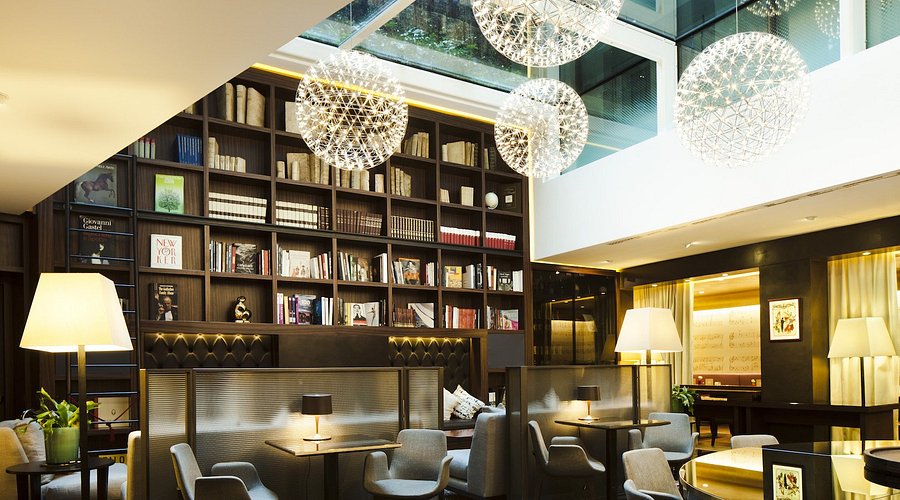
Located in the heart of Milan, Hotel Milano Scala is one of the city’s first zero-emissions hotels. It uses a geothermal heating and cooling system, 100% renewable electricity, and has eliminated plastic packaging throughout the property.
Its rooftop garden grows organic produce used in the hotel’s restaurant, supporting a farm-to-table approach. Guests are offered complimentary bicycles to explore the city, encouraging car-free travel. Hotel Milano Scala also runs regular sustainability workshops for staff and guests alike.
2. Manon Les Suites – Copenhagen, Denmark
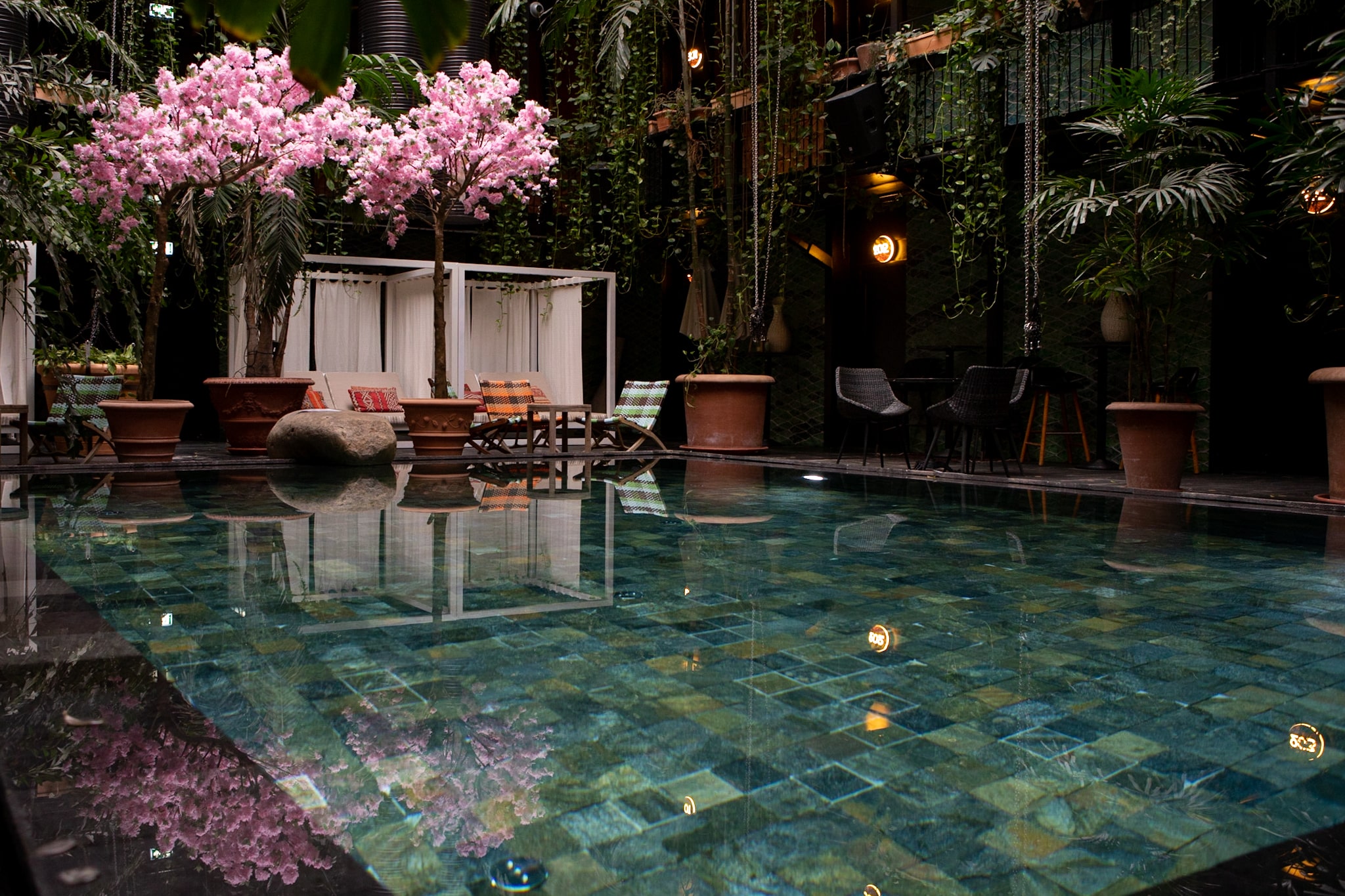
Manon Les Suites is a member of the Guldsmeden Hotels group, known for its bold sustainability goals. Located in the heart of Copenhagen, this urban oasis runs on renewable energy, employs organic bed linens, and serves 100% organic food and beverages.
The hotel practices waste sorting, sources local eco-friendly toiletries, and uses FSC-certified materials throughout. Its bohemian design makes it a favorite among travelers who appreciate both style and sustainability.
3. Vigilius Mountain Resort – South Tyrol, Italy
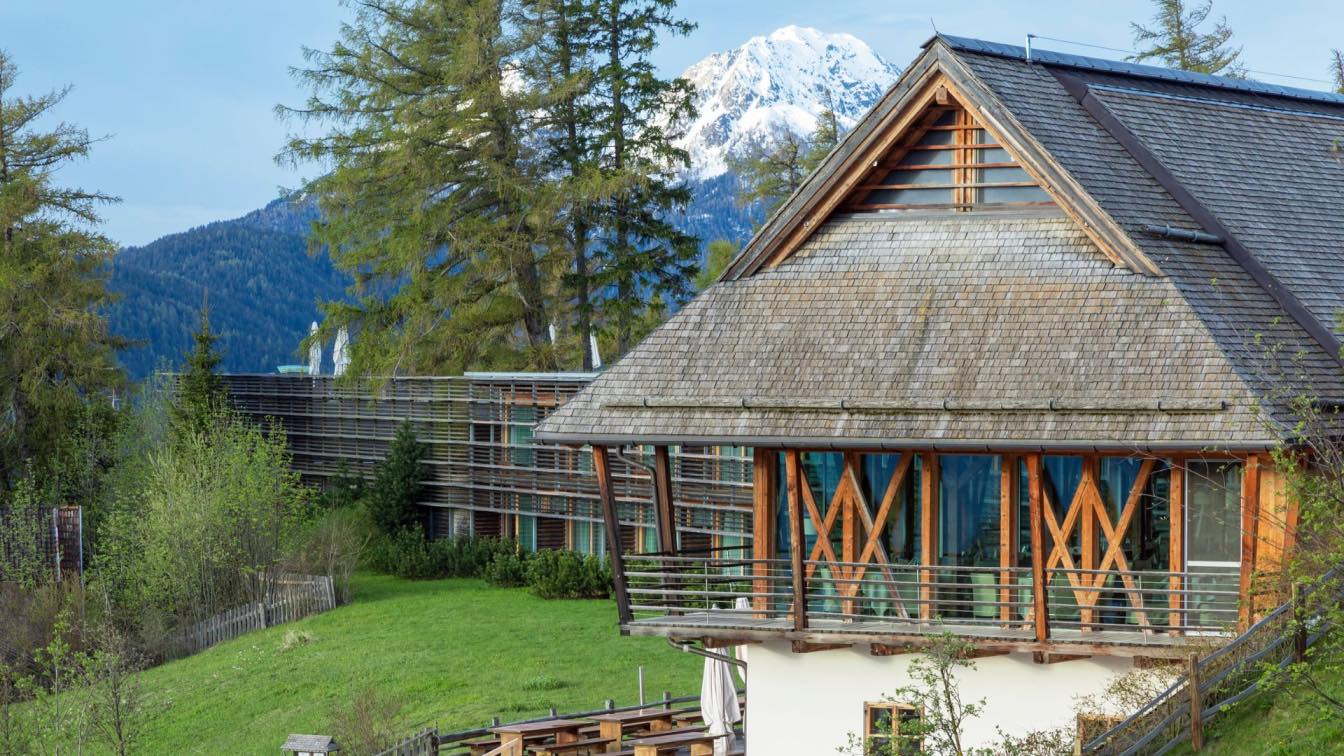
Accessible only by cable car, Vigilius Mountain Resort is a car-free green hotel nestled in the Dolomites. The resort runs entirely on biomass and renewable energy, with architecture designed to blend into the alpine environment.
The building’s passive design, natural materials (like larch and stone), and thermal insulation significantly reduce heating and cooling demands. Its isolation not only ensures serenity but also limits noise, air, and light pollution.
4. The Green House Hotel – Bournemouth, England

Certified by the Green Tourism Business Scheme, The Green House Hotel is often regarded as one of the UK’s greenest hotels. It uses locally sourced building materials, including FSC-certified wood and recycled glass.
Its kitchen sources seasonal ingredients from within a 50-mile radius, and the hotel generates part of its electricity from solar thermal panels. All furniture is made in the UK using natural paints, varnishes, and fabrics free from toxic chemicals.
5. Hotel Jakarta – Amsterdam, Netherlands
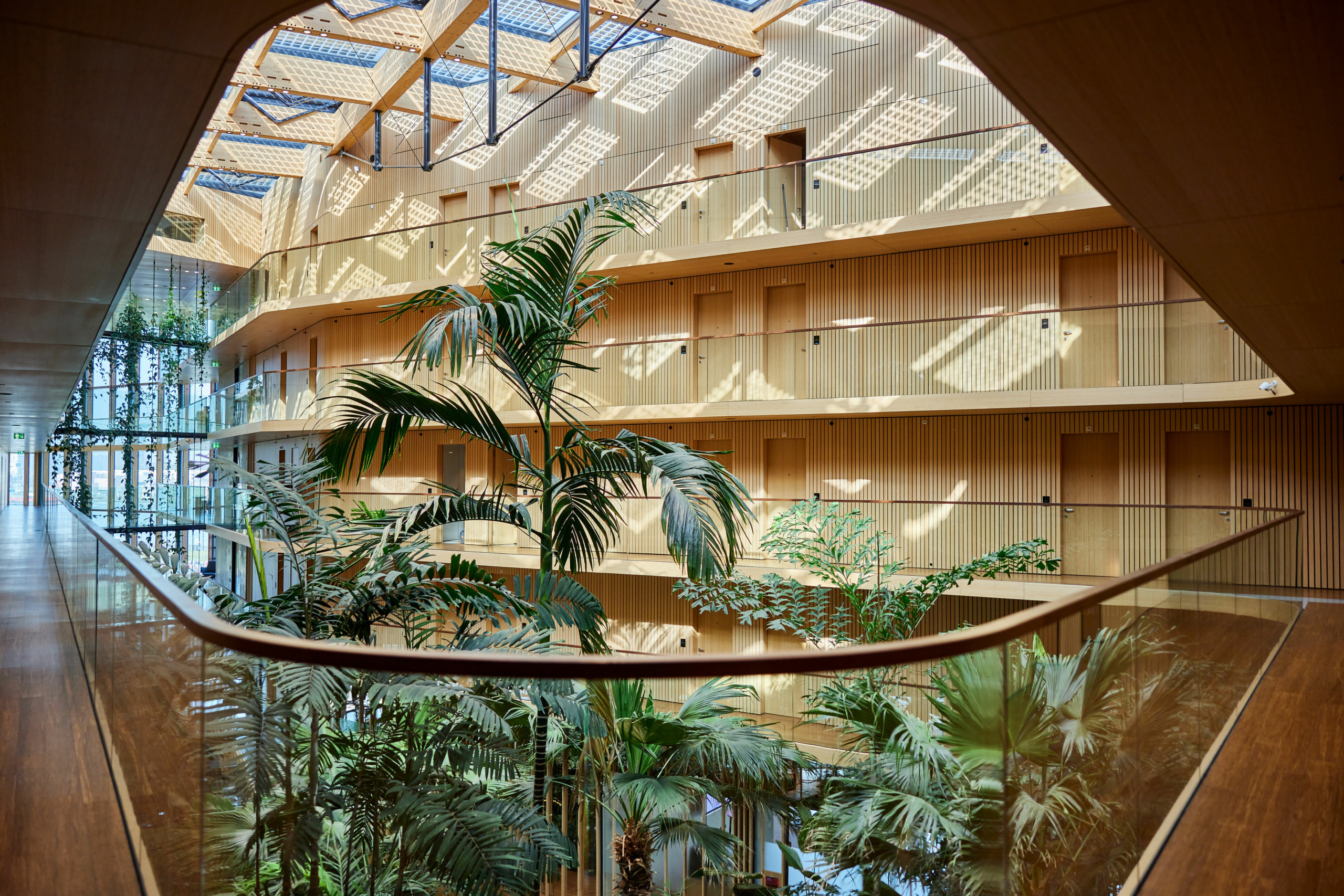
Hotel Jakarta is a zero-energy building and one of Amsterdam’s most iconic sustainable hotel projects. It features a tropical indoor garden, sustainable bamboo interiors, and solar panels integrated into the glass façade.
Smart energy systems regulate temperature and lighting throughout the hotel, while its in-house bakery and café use organic, plastic-free packaging. The hotel also actively tracks and publishes its sustainability performance.
Real-Life Use Cases: Why Green Hotels Matter
Combatting Climate Change at the Accommodation Level
Green hotels offer practical solutions to reduce tourism’s impact on climate change. By using clean energy, reducing waste, and cutting emissions, these accommodations contribute directly to national and EU climate goals. Staying at a green hotel allows travelers to mitigate the environmental cost of their journey without sacrificing comfort or experience.
For example, a typical four-star hotel can emit over 70 kg of CO₂ per guest per night. A green hotel, by contrast, can reduce this number by more than 50%, depending on its energy source and operational practices.
Addressing Over-Tourism Through Responsible Design
Many green hotels are located in less crowded areas or are deliberately designed to have minimal impact on their surroundings. This decentralization helps prevent over-tourism in major cities and encourages travelers to explore off-the-beaten-path destinations.
For example, Vigilius Mountain Resort limits the number of guests and forbids cars, preserving the natural environment and providing a truly immersive, eco-friendly experience.
Promoting Eco-Education Among Guests
Green hotels often serve as platforms for environmental education. From in-room messaging about towel reuse to interactive tours of on-site gardens and energy systems, these hotels raise awareness about sustainable living.
Such awareness has a ripple effect, as travelers often take these lessons home and adopt similar eco-conscious habits in their daily lives.
Key Benefits of Staying in Green Hotels
Enhanced Well-Being and Health
Green hotels typically use natural building materials, offer organic food, and maintain high indoor air quality through non-toxic cleaning agents and proper ventilation. These factors contribute to a healthier environment for guests, particularly those with allergies or sensitivities.
Supporting Local Economies
Most green hotels source locally—whether it’s food, textiles, or staff. This keeps money within the local economy, supports artisans, and reduces carbon emissions related to transportation.
Aligning Travel with Values
Choosing green hotels allows travelers to align their journeys with their environmental values. It promotes guilt-free travel and empowers tourists to contribute to positive change without compromising their travel goals.
Frequently Asked Questions
Q1. What makes a hotel green or eco-friendly?
A green hotel incorporates environmentally responsible practices such as energy efficiency, waste reduction, water conservation, and the use of sustainable materials. These hotels often pursue third-party certifications like Green Key or EU Ecolabel to verify their sustainability efforts.
Q2. Are green hotels more expensive than regular hotels?
Not always. While some eco-hotels may charge a premium for their sustainable features, many offer competitive prices. In some regions, green hotels benefit from government incentives, which allow them to keep prices on par with traditional accommodations.
Q3. How can I be sure a green hotel is truly sustainable?
Look for transparency. Green hotels usually publish their sustainability reports, energy sources, and certifications. Trustworthy eco-hotels are proud to share their practices, including what they offset, how they manage waste, and how they contribute to local communities.