Africa remains one of the world’s most awe-inspiring continents for wildlife experiences. In 2025, wildlife safari tours in Africa will be more immersive, ethical, and tech-enabled than ever before. With upgraded conservation policies, advanced tracking tools, and increased access to remote areas, now is the perfect time to plan an unforgettable African safari adventure.
Whether you’re dreaming of the Serengeti’s Great Migration, Botswana’s pristine Okavango Delta, or gorilla trekking in Uganda, this guide explores everything you need to know about wildlife safari tours in Africa for 2025.
Why 2025 Is the Best Time for African Safari Tours
The year 2025 is set to be a transformative one for African safaris. Tour operators are increasingly blending traditional game viewing with cutting-edge technology and sustainable tourism practices. Wildlife conservation is at the forefront, ensuring ethical experiences that protect habitats and local communities.
Climate-conscious travelers are also seeing improvements. Many safari lodges now run on solar energy, use electric vehicles, and offer plastic-free accommodations. With wildlife populations recovering in several reserves, visitors are experiencing the African wilderness in its most pristine form in over a decade.
Top Destinations for Wildlife Safari in Africa 2025
Serengeti National Park, Tanzania
Tanzania’s Serengeti is legendary for its massive annual wildebeest migration. In 2025, new conservation corridors will have opened, offering safer migration routes for animals and more remote viewing spots for travelers. Safari-goers can witness big cats hunting, herds crossing rivers, and elephants grazing — all in their natural habitats.
Okavango Delta, Botswana
Botswana’s Okavango Delta is one of the most unspoiled safari destinations. In 2025, eco-conscious camps offer mokoro (dugout canoe) safaris, which glide silently through the waterways, providing close encounters with hippos, crocodiles, and rare birds. The delta’s isolation ensures intimate wildlife experiences without tourist crowds.
Kruger National Park, South Africa
Kruger is renowned for its Big Five sightings. With improved infrastructure and virtual guides, 2025 offers self-drive and guided tours enhanced with wildlife tracking apps and drone mapping tools. This makes it easier than ever to spot leopards in trees or rhinos grazing in open grasslands.
Maasai Mara, Kenya
The Maasai Mara, neighboring the Serengeti, is another prime location for witnessing the Great Migration. The 2025 season includes upgraded eco-camps with smart solar setups and digital wildlife tracking maps. Local Maasai guides also offer immersive cultural safaris.
Bwindi Impenetrable Forest, Uganda
For those interested in gorilla trekking, Bwindi remains unmatched. In 2025, permit systems will have been digitized for better management and fewer disruptions to the animals. Travelers now enjoy guided treks with conservationists who educate about gorilla behavior, poaching prevention, and forest ecology.
Benefits of Technology in Modern Safari Experiences
Technology is revolutionizing wildlife safari tours in Africa in 2025. Here are some ways it’s enhancing the experience:
Real-Time Animal Tracking Apps
Visitors can use apps to see where lions, elephants, or leopards were last spotted. This increases sighting success without crowding animals or disrupting natural behavior.
Electric Safari Vehicles
Several luxury camps now use silent electric vehicles. These reduce environmental impact and allow guests to get closer to animals without startling them with engine noise.
Drone-Assisted Conservation
Drones are used by rangers to monitor herds, track poachers, and study animal movements. Some tours allow guests to view drone footage to understand how conservationists operate in the field.
AR and VR Integration at Camps
At some eco-lodges, guests can use augmented reality (AR) devices to overlay information on animal behavior, habitats, and conservation efforts during downtime.
AI Wildlife Identification Tools
Through cameras and software, visitors can scan photos of animals and instantly identify species, learn about behaviors, and get historical data about individual animals in protected parks.
Real-World Safari Examples You Can Experience in 2025
1. Singita Lebombo Lodge, South Africa

Singita Lebombo offers luxurious safari accommodations paired with cutting-edge electric safari vehicles. The lodge supports conservation projects and gives guests hands-on experiences with trackers who use AI-powered tools for big cat research.
2. Wilderness Safaris, Botswana
Wilderness Safaris operates throughout Botswana, offering private concessions in the Okavango Delta. Their solar-powered lodges and use of local guides ensure low-impact, high-quality adventures. Guests can participate in bird counts and wildlife monitoring.
3. Asilia Africa, Tanzania and Kenya
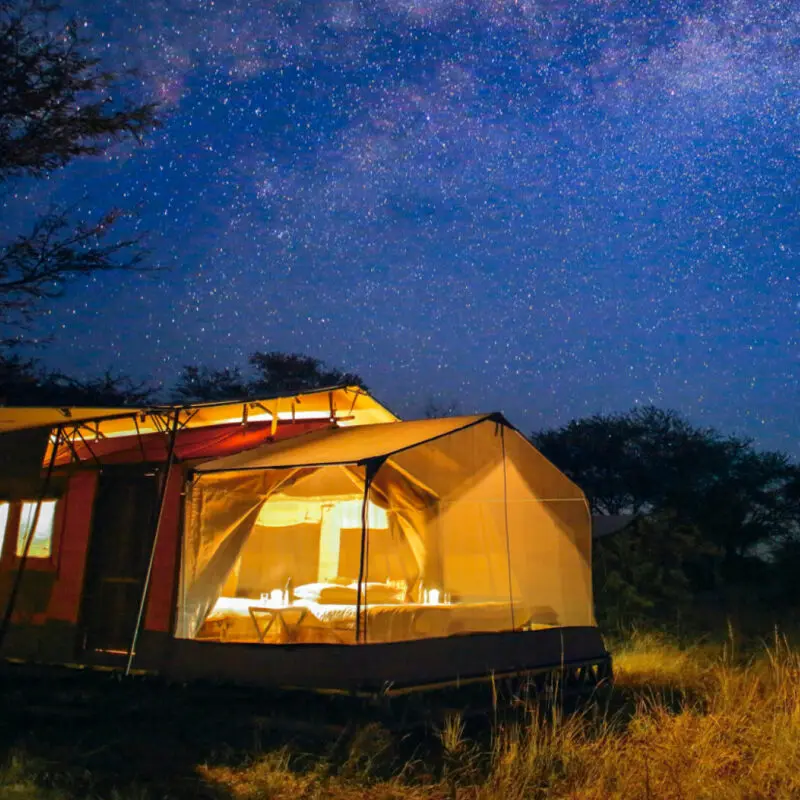
Asilia’s camps provide immersive wildlife experiences while contributing to community-led conservation. In 2025, Asilia introduced digital safari logs that let guests document and share their sightings while contributing data to researchers.
4. Volcanoes Safaris, Uganda and Rwanda
Focused on gorilla trekking, Volcanoes Safaris offers guided experiences led by conservationists. The company runs reforestation projects and provides guests with in-depth briefings using interactive tools before trekking into the jungles.
5. andBeyond’s Ngala Tented Camp, South Africa
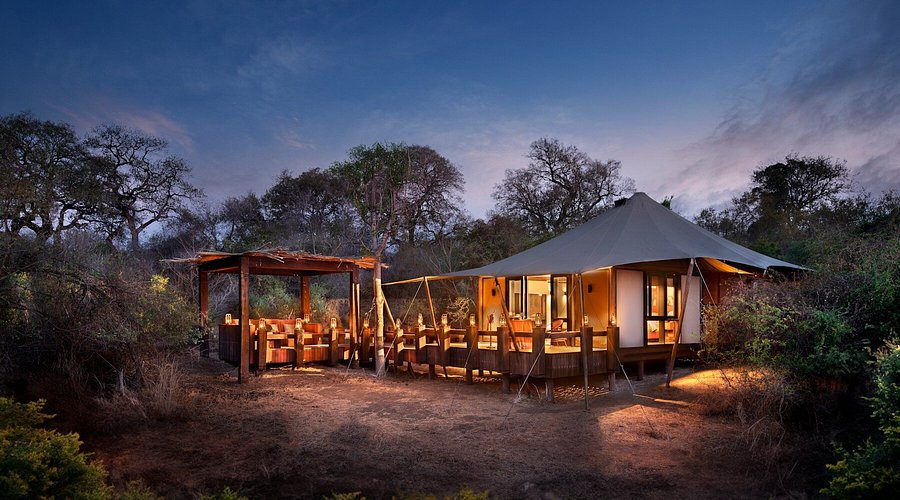
This lodge in a private reserve adjacent to Kruger is known for its Big Five sightings. It uses heat-sensor cameras and tracking collars to help researchers protect endangered species. Guests can learn about these tools and even join rangers on research drives.
Practical Advantages of Joining a Safari Tour in Africa
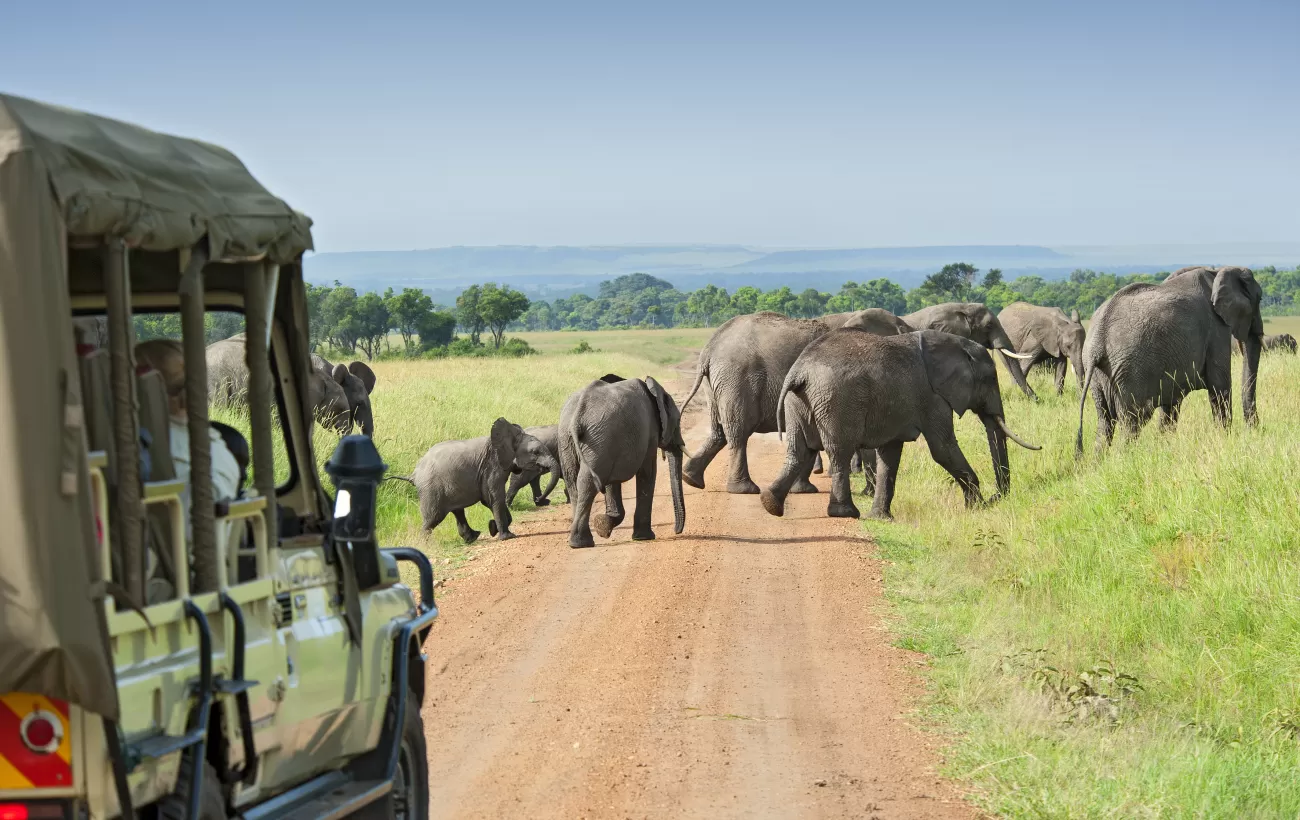
Joining a wildlife safari tour provides significant advantages over independent travel. Organized tours include access to expert guides who know animal behavior and terrain intimately. This increases the likelihood of unique wildlife sightings and ensures safety in remote environments.
Safari tours also handle logistics — transportation, meals, park permits, and accommodations — making travel stress-free. In 2025, many tours include cultural elements such as visiting local villages or attending conservation workshops, adding depth to your adventure.
Importantly, reputable tours support local economies and conservation. Many employ locals, contribute to anti-poaching efforts, and help fund protected areas. Your visit becomes a direct investment in preserving Africa’s natural heritage.
Use Cases: Why Safari Tours Are Valuable for Different Travelers
Wildlife Photography Enthusiasts
Safaris in 2025 offer unmatched photo opportunities, with longer lens-friendly vehicles and stabilized viewing platforms. AI-based apps help photographers identify species and track them over time.
Families with Children
Family-friendly tours provide interactive learning experiences. Children can join junior ranger programs, which include animal tracking, bushcraft lessons, and ecological storytelling.
Adventure Seekers
For those looking for adrenaline-pumping experiences, walking safaris and canoe safaris offer close encounters with nature. These activities are guided by armed rangers and trained trackers to ensure safety.
Couples on Honeymoon
Many safari operators now offer secluded tented camps with private guides, candlelit dinners under the stars, and wellness packages. 2025 sees an increase in wellness-focused safaris combining wildlife with yoga and spa treatments.
Academic and Conservation Travelers
Students and researchers benefit from safaris that include conservation modules. These may involve participating in animal collaring, GPS tagging, or biodiversity studies in real time.
Frequently Asked Questions
Q1. What is the best time of year to go on a safari in Africa in 2025?
The best time generally falls between June and October, during the dry season when animals congregate around water sources. However, some regions like the Serengeti are worth visiting year-round due to migratory patterns. Always check specific park recommendations.
Q2. Is it safe to go on a wildlife safari tour in Africa?
Yes, especially when traveling with licensed tour operators. These professionals ensure guest safety through strict protocols, trained guides, and regulated access to wildlife zones. Choosing reputable, well-reviewed providers is essential.
Q3. Do I need any vaccinations or travel documents for a safari in 2025?
Most African countries require a valid passport, and some may ask for yellow fever vaccination certificates or proof of COVID-19 vaccination. Always consult your healthcare provider and the embassy of the destination country before traveling.