In 2025, travelers are seeking more than just postcard-perfect views—they’re craving authentic, undiscovered, and culturally rich experiences that offer solitude, sustainability, and story-worthy moments. Off-the-beaten-path travel has grown from a niche pursuit to a mainstream movement, especially among eco-conscious explorers and digital nomads looking for unique, immersive journeys.
Understanding the Rise of Off-the-Beaten-Path Travel in 2025
This evolution in travel behavior is driven by several key factors: overtourism in popular locations, improved access to remote areas, and a growing awareness of cultural sensitivity and environmental impact. Travelers now prefer destinations that offer exclusivity, cultural depth, and a chance to connect with nature or local traditions—often beyond the reach of traditional tour packages.
Why Off-the-Beaten-Path Travel Matters More Than Ever
Off-the-beaten-path travel contributes to sustainable tourism by distributing tourism revenue more equitably. It empowers local communities, helps preserve native cultures, and reduces the environmental impact associated with mass tourism.
Moreover, the traveler benefits from meaningful interactions, unexpected discoveries, and the serenity that only lesser-known locales can provide. With advancements in travel technology, accessing these locations is becoming easier without compromising the “unspoiled” feel that defines them.
Key Trends Shaping Off-the-Beaten-Path Travel in 2025
The travel landscape of 2025 is shaped by innovation and shifting priorities. Here are the leading trends redefining how travelers experience hidden corners of the world:

Remote Work & Slow Travel
The widespread adoption of remote work is fueling a rise in long-term travel. Slow travel—where the journey is more immersive and less hurried—is especially compatible with offbeat destinations. In 2025, remote professionals are choosing villages in Georgia, isolated beaches in Mozambique, or the forests of Finland to live and work for weeks or even months at a time.
Digital Detox & Nature Immersion
Many are intentionally disconnecting from digital life to reconnect with nature. Off-the-grid retreats in places like the Patagonian wilderness or the Faroe Islands provide a complete break from screens and stress.
Climate-Conscious Exploration
Travelers are opting for destinations that encourage eco-friendly practices—like solar-powered lodges, wildlife preservation zones, or community-run guesthouses.
Real-World Examples of Off-the-Beaten-Path Destinations and Experiences
Let’s explore five remarkable off-the-beaten-path destinations and experiences for 2025 that exemplify this emerging travel ethos.
1. Svaneti, Georgia – A Medieval Mountain Wonderland
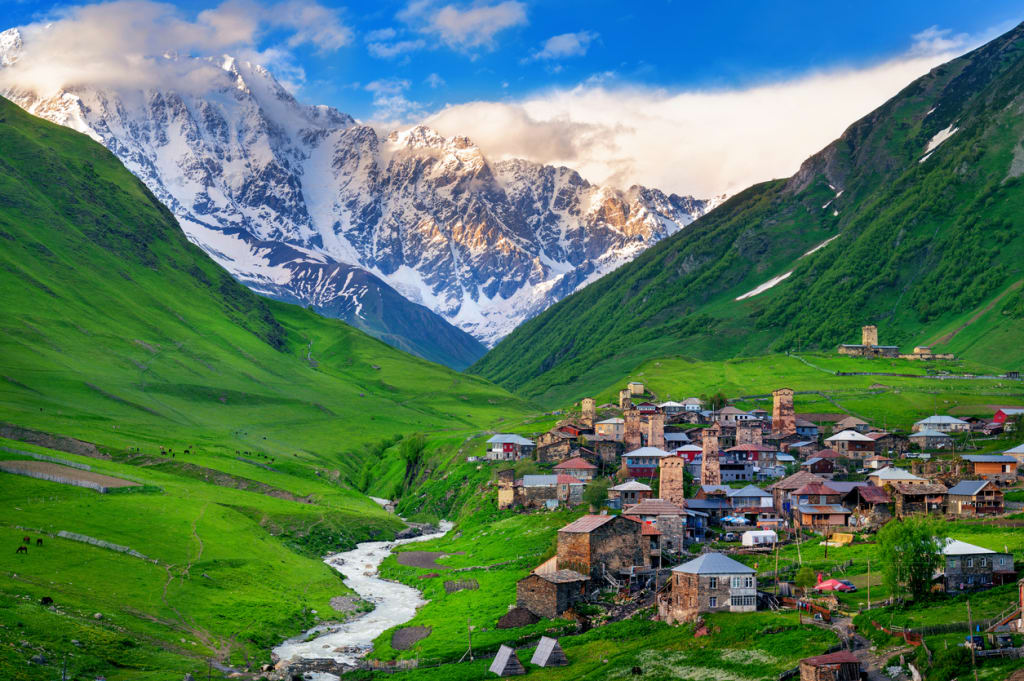
Tucked away in the Caucasus Mountains, Svaneti is one of Europe’s most isolated and scenic regions. Known for its ancient stone towers, untouched landscapes, and the warm hospitality of the Svan people, this Georgian gem offers hiking, historical intrigue, and cultural immersion with minimal crowds.
Travelers in 2025 are particularly drawn to Svaneti’s remote villages like Ushguli, which remain snowbound for much of the year. The limited infrastructure, combined with breathtaking views and UNESCO World Heritage status, makes it a favorite for photographers and trekking enthusiasts.
2. The Togean Islands, Indonesia – Hidden Tropical Paradise
Located in Central Sulawesi, the Togean Islands are known for their pristine coral reefs, diverse marine life, and traditional Bajau communities. These islands are not yet overrun with tourism, making them perfect for travelers seeking solitude and underwater adventure.
Visitors can enjoy snorkeling, diving with jellyfish, or simply relaxing on beaches accessible only by boat. The minimal tourist footprint supports sustainable exploration and a deep connection with nature.
3. Valle de Cocora, Colombia – Enchanting Palm Tree Forests
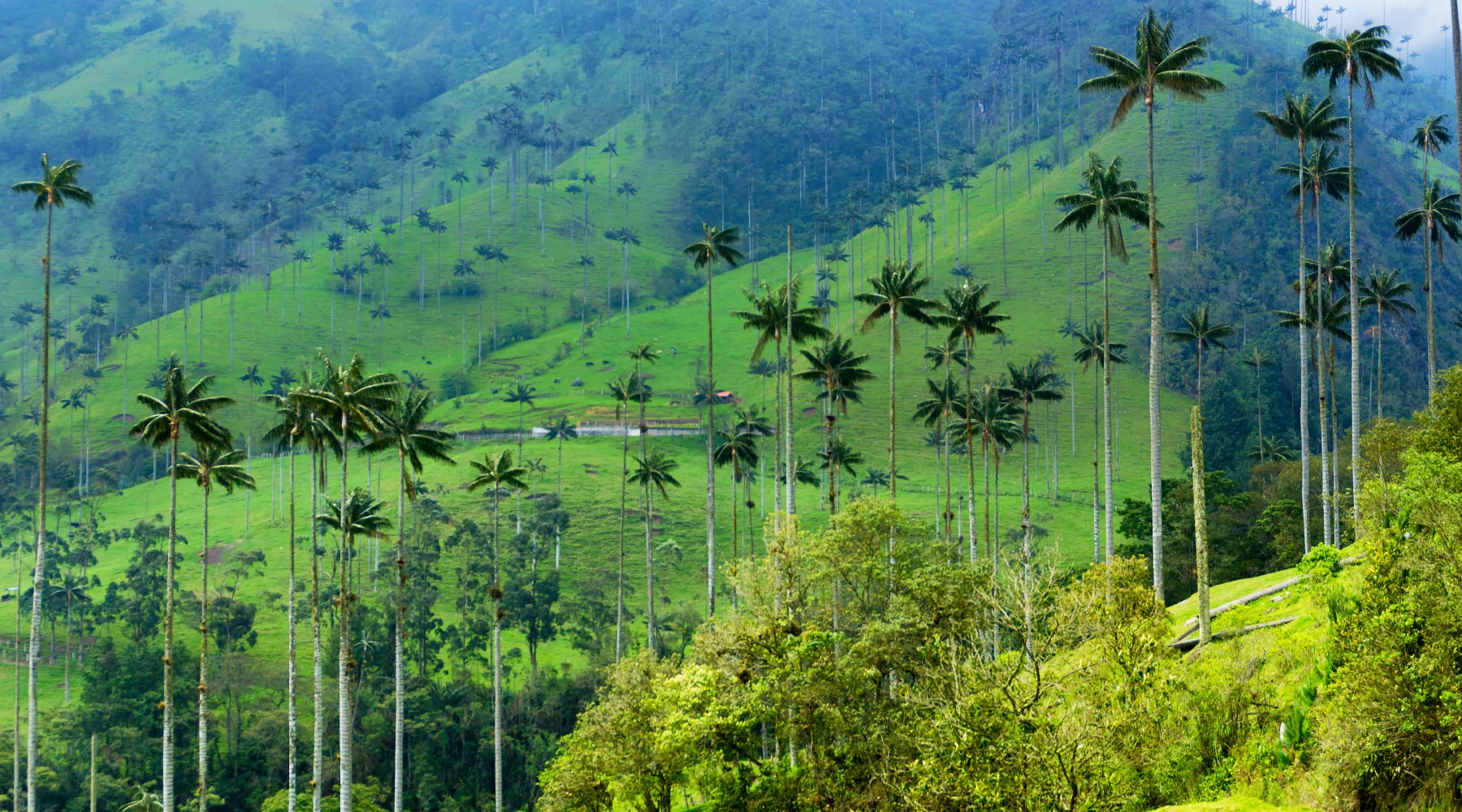
This surreal valley, home to the world’s tallest wax palm trees, offers an ethereal hiking experience with misty trails, lush hillsides, and vibrant birdlife. Nestled in the Andean cloud forests near Salento, Valle de Cocora remains relatively unknown to mainstream travelers.
In 2025, it is gaining popularity among hikers and photographers searching for magical, otherworldly landscapes. Eco-lodges and community-run hostels further enhance its appeal to conscious travelers.
4. Lake Natron, Tanzania – Otherworldly Volcanic Wilderness
Lake Natron is one of Africa’s most unique ecosystems, colored red by salt-loving algae and home to thousands of flamingos. Its surrounding volcanic terrain and proximity to Ol Doinyo Lengai, an active volcano, make it an exhilarating and unconventional destination.
This area appeals to travelers interested in geology, bird watching, and raw, rugged landscapes. Staying in eco-camps hosted by local Maasai guides supports conservation efforts while offering profound cultural insights.
5. Faroe Islands – Nordic Serenity and Dramatic Cliffs

Between Iceland and Norway, the Faroe Islands remain one of Europe’s most mysterious and under-visited destinations. With dramatic fjords, colorful villages, and cliffside hiking trails, they cater to travelers seeking isolation, photography, and a deep sense of calm.
2025 brings improved ferry and flight access, though the islands are committed to sustainable tourism. Their “Preserve the Faroe Islands” campaign encourages mindful visitation and limits peak-season entries.
How Technology Enhances Off-the-Beaten-Path Travel in 2025
While the spirit of off-the-beaten-path travel is rooted in disconnection and discovery, technology still plays a critical role in making these journeys safer, more accessible, and more immersive—without intruding on the rawness of the experience.
AI-Powered Translation Tools
Apps like Google Translate and AI-integrated wearables help bridge language gaps in remote communities. In 2025, real-time audio translation allows travelers to engage with locals more meaningfully, even in regions with uncommon dialects.
Offline Navigation and Mapping
High-resolution offline maps powered by GPS ensure travelers can explore trails or rural roads safely, even without internet connectivity. Apps like Gaia GPS and Maps.me are essential for trekking in places like Svaneti or the Andes.
Eco-Travel Platforms
Platforms like EcoBnB and Fairbnb in 2025 connect travelers with sustainable stays, verified eco-friendly hosts, and community-based tourism. These tools help travelers ensure their journeys leave a positive impact.
Emergency Satellite Communication
New satellite-powered devices, such as Garmin inReach or Bivy Stick, provide essential emergency communication capabilities for travelers venturing far from cellular service. These tools offer peace of mind during wilderness treks or desert crossings.
Practical Use Cases: Why Off-the-Beaten-Path Travel Matters
Overcoming Overtourism
Traveling to lesser-known regions alleviates the strain on popular hotspots. For example, exploring the Andean backroads instead of Machu Picchu not only preserves local heritage but also offers an equally enriching experience.
Promoting Local Economies
Offbeat travel routes encourage spending in rural or indigenous areas, empowering communities that may be overlooked by mass tourism. A guesthouse in Sulawesi or a guide in Tanzania benefits directly from traveler presence.
Mental Wellness and Reconnection
Nature-focused, low-tech trips provide critical mental health benefits, including reduced screen time, lower stress levels, and improved mindfulness. A digital detox in the Faroe Islands, for instance, can reframe one’s relationship with time and attention.
Enabling Authentic Storytelling
These journeys become personal narratives—filled with unplanned adventures, local encounters, and rare perspectives. This storytelling value is especially prized in 2025’s social media landscape, which favors authenticity over algorithm-driven content.
Frequently Asked Questions (FAQ)
Q1. What does off-the-beaten-path travel mean in 2025?
Off-the-beaten-path travel in 2025 refers to journeys that avoid mainstream tourist destinations in favor of lesser-known, remote, or culturally immersive experiences. These trips focus on sustainability, authenticity, and meaningful engagement with nature or local communities.
Q2. Is off-the-beaten-path travel safe for solo travelers in 2025?
Yes, with advancements in GPS navigation, emergency tech, and travel apps, solo travelers can explore remote destinations more safely. However, it’s essential to plan, learn basic local phrases, and share itineraries with friends or family before departure.
Q3. How can I find truly hidden travel spots in 2025?
Use local blogs, eco-tourism platforms, or consult seasoned travel communities rather than relying solely on mainstream travel sites. Platforms like Atlas Obscura, Reddit’s travel threads, and regional tourism boards often share hidden gems and unique cultural experiences.