New Zealand is world-renowned for its spectacular natural landscapes—from alpine peaks and ancient forests to coastal cliffs and glacial valleys. For hikers and outdoor enthusiasts, it’s a paradise filled with some of the most beautiful and diverse trails on Earth. This in-depth guide explores the best hiking trails in New Zealand, highlights the benefits of using modern hiking gear and technology, and presents real-world use cases that make the experience safer, more comfortable, and more rewarding.
Whether you’re planning a short walk or a multi-day backcountry trek, understanding the terrain, trail features, and essential tools can elevate your journey and ensure unforgettable memories.
Why New Zealand is a World-Class Hiking Destination
New Zealand’s unique geography and ecological diversity make it one of the premier hiking destinations globally. The country offers a wide range of trails suitable for every level, from gentle day walks through coastal forests to challenging alpine routes that demand physical stamina and technical skills.
There are nine Great Walks officially maintained by the Department of Conservation (DOC), and hundreds more regional and local trails that showcase New Zealand’s volcanic landscapes, pristine beaches, and remote wilderness. Many hikes include cultural insights into Māori history and legends, adding spiritual richness to the physical challenge.
Beyond the stunning scenery, the safety, cleanliness, and well-maintained infrastructure of New Zealand’s trails make it an ideal choice for solo travelers, couples, and adventure-seeking groups.
Benefits of Using Technology While Hiking in New Zealand
Technology plays an increasingly vital role in enhancing the hiking experience, especially in remote and rugged terrain like New Zealand. While the goal is to immerse in nature, modern tools can help prevent risks and increase efficiency.
GPS and Trail Navigation Apps
Trail navigation apps like AllTrails, ViewRanger, or New Zealand-specific apps such as Plan My Walk are essential for tracking your route, estimating time, and avoiding wrong turns. These apps often include offline maps, which are crucial in areas with limited mobile coverage.
Having GPS capabilities also allows you to drop waypoints for important landmarks, water sources, or emergency shelters, making your hike more organized and safer.
Weather Alert Systems
New Zealand’s weather can change rapidly, especially in alpine or coastal areas. Smartwatches and mobile apps with real-time weather updates, such as MetService NZ, can provide alerts for temperature shifts, heavy rain, or wind warnings, giving you time to take action before conditions become dangerous.
Wearable Health Monitors
Wearable fitness devices help monitor your heart rate, altitude gain, and hydration levels. On longer hikes, these tools help manage exertion and prevent fatigue-related accidents. They’re particularly useful for older hikers or those with medical conditions.
Emergency Communication Devices
Satellite messengers like Garmin inReach or SPOT Gen4 offer two-way communication even in areas with no cell signal. These are vital for emergency calls, status updates to loved ones, or navigating out of a difficult situation.
Real-World Examples of Hiking Gear for New Zealand Trails
Below are five hiking gear products that enhance the experience and safety on New Zealand’s most popular hiking trails. Each one is selected based on durability, relevance to local conditions, and real-world application.
1. Garmin GPSMAP 67i – Navigation and Emergency SOS
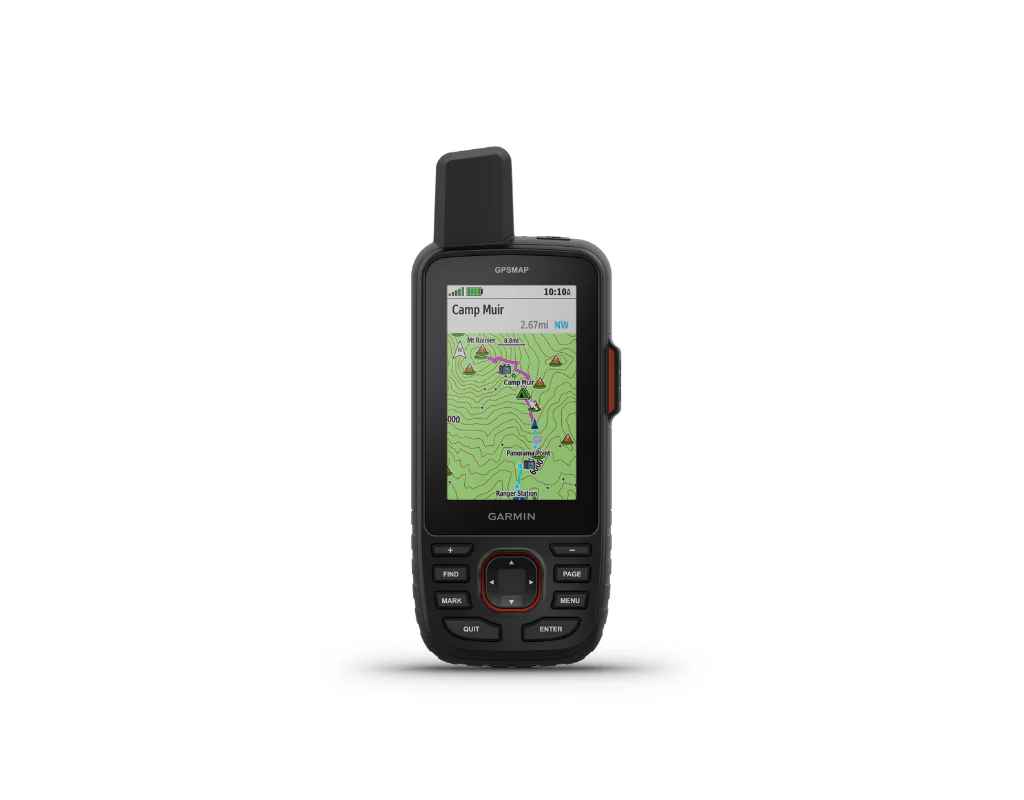
The Garmin GPSMAP 67i is a high-end GPS device that combines detailed topographic mapping with satellite messaging and SOS functionality. Hikers tackling remote tracks like the Dusky Track or Routeburn Track benefit from its rugged design and reliable signal.
The device allows you to plan routes, drop markers, and get real-time elevation data. Its battery life can last up to two weeks in expedition mode, making it ideal for New Zealand’s multi-day treks. Its SOS function is connected to GEOS, a global emergency response system, which is a major safety net in areas with no cell coverage.
2. Salomon Quest 4 GTX Hiking Boots – Stability and Grip
The Salomon Quest 4 GTX is one of the most reliable hiking boots for New Zealand’s mixed terrain. From muddy rainforests in Fiordland to rocky alpine paths in Tongariro National Park, these boots provide excellent ankle support, waterproofing, and grip.
The boot’s design helps prevent slips and fatigue, especially on long days with heavy packs. Their breathability is perfect for temperate conditions, and the rugged outsole handles all trail types with ease.
3. Osprey Atmos AG 65 – Comfort-Optimized Hiking Pack
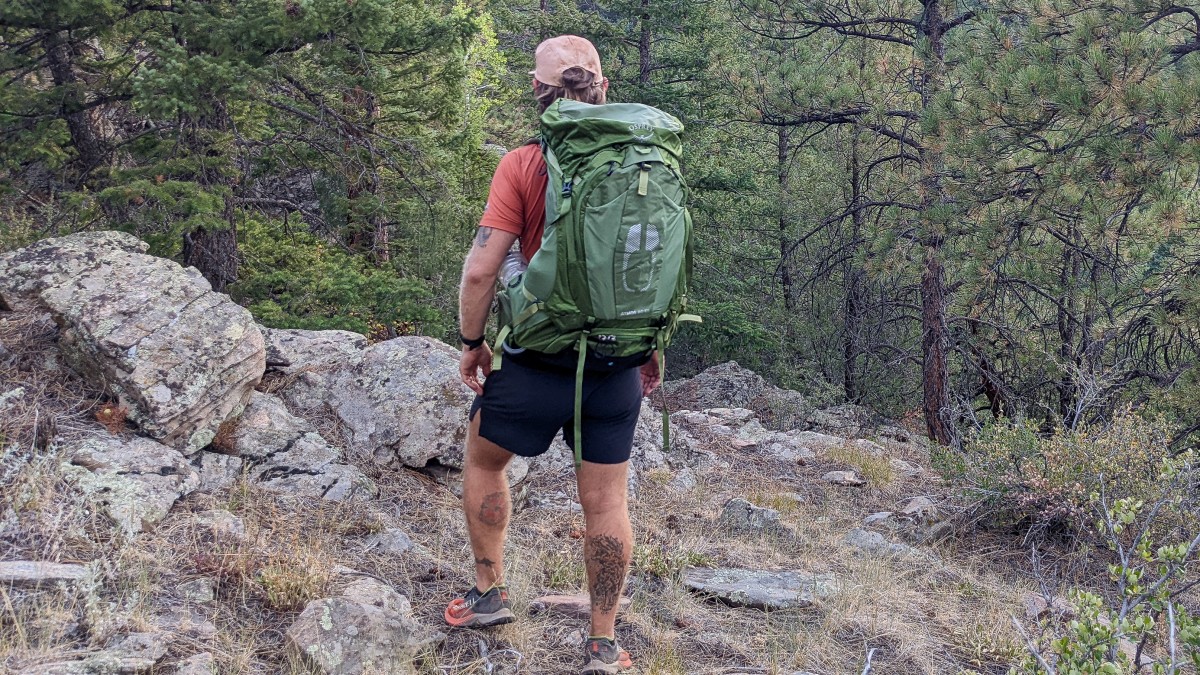
For multi-day hikes like the Milford Track or Kepler Track, the Osprey Atmos AG 65 offers the support and space needed for long-distance travel. Its anti-gravity suspension system provides better load balance and reduces pressure on the back and hips.
With adjustable straps, hydration bladder compatibility, and weather-resistant materials, this backpack is ideal for serious hikers looking to stay agile and organized over multiple days.
4. Black Diamond Spot 400-R Headlamp – Night Hiking and Safety
In the event of late arrivals at huts or dark early starts, the Black Diamond Spot 400-R headlamp provides excellent illumination. With adjustable brightness, red night vision mode, and a 400-lumen output, it’s a critical tool for trail visibility and campsite preparation.
It’s especially useful for unpredictable situations, such as river crossings at dusk or navigating steep trails with poor natural light.
5. Lifestraw Peak Squeeze Bottle – Water Filtration On the Go
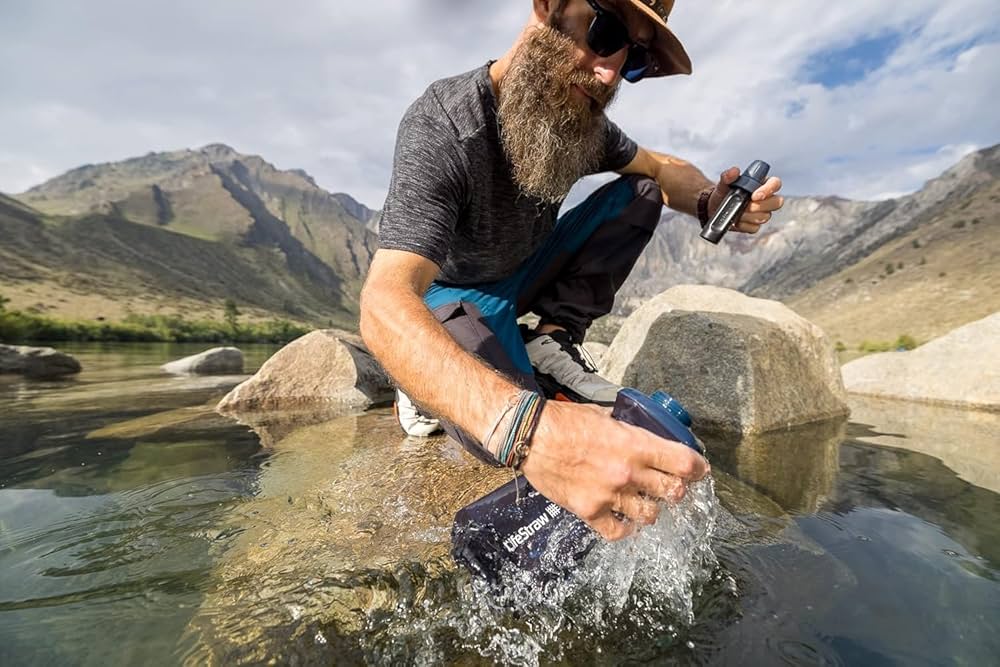
New Zealand trails often pass streams and rivers that appear clean, but the risk of Giardia and other contaminants is real. The Lifestraw Peak Squeeze Bottle is a lightweight, compact water filtration system perfect for quick access to drinkable water.
It filters out bacteria, parasites, and microplastics without chemicals or batteries, making it an ideal solution for long hikes without access to purified water sources.
Best Hiking Trails in New Zealand: A Closer Look at Top Routes
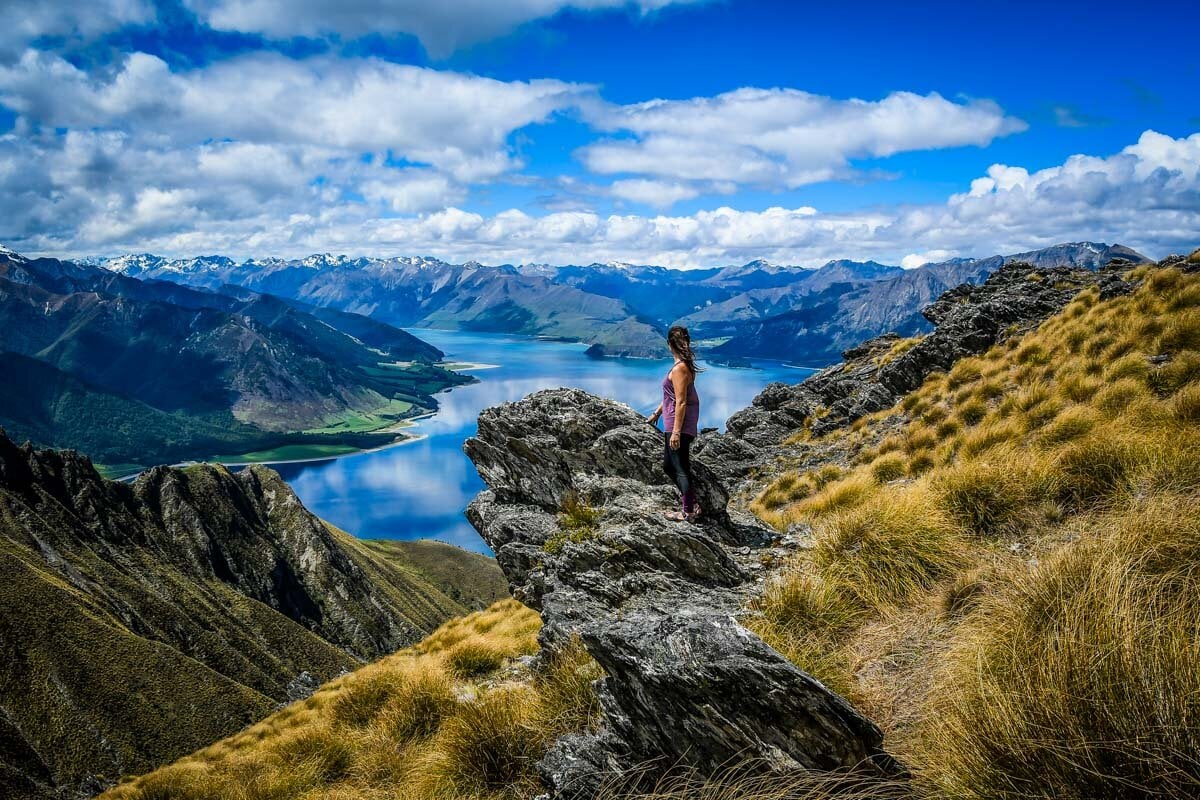
Tongariro Alpine Crossing
Located in Tongariro National Park, this 19.4-km day hike is one of the most dramatic and iconic in New Zealand. Hikers pass volcanic craters, emerald lakes, and steam vents—all with panoramic views of Mount Ngauruhoe (aka Mount Doom from The Lord of the Rings).
The trail is steep and exposed to sudden weather shifts, so proper gear and planning are essential. It’s a must-do for fit hikers seeking a challenging yet visually rewarding journey.
Milford Track
Often referred to as the “finest walk in the world,” the Milford Track spans 53.5 km through the heart of Fiordland National Park. Over four days, hikers traverse rainforests, alpine passes, and dramatic waterfalls like Sutherland Falls, one of the tallest in the world.
Access is limited to protect the environment, and booking is required during peak season. With well-maintained huts and stunning scenery, it’s a bucket-list experience.
Routeburn Track
This 32-km Great Walk connects Mount Aspiring and Fiordland National Parks. It offers high-elevation views, glacial valleys, and moss-covered forests. The Routeburn is a favorite among couples or solo trekkers looking for a moderately challenging, two-to-three-day hike.
Its varied ecosystems and spectacular sunrise views from the Harris Saddle make it one of the most photogenic tracks in the country.
Abel Tasman Coast Track
For those seeking a more relaxed, beach-focused trek, the Abel Tasman Coast Track is ideal. This 60-km trail winds along golden beaches, native bush, and estuaries. It’s suitable for hikers of all levels and can be done over several days with hut or campsite accommodation.
The track can be paired with sea kayaking or water taxi transfers, offering flexibility and a coastal adventure vibe.
Kepler Track
A 60-km loop in Fiordland, the Kepler Track combines alpine ridges, lakefront paths, and beech forests in a well-structured 3 to 4-day hike. It’s considered one of the most balanced tracks in terms of challenge and reward, with reliable infrastructure and breathtaking mountain views.
The section from Luxmore Hut to Iris Burn features stunning ridgeline walking, making it one of the most memorable hiking experiences in New Zealand.
Use Cases: Why This Knowledge Is Valuable in Real Life
Trip Planning for Safe Outdoor Adventures
Understanding trail difficulty, climate conditions, and gear requirements is essential for trip safety and enjoyment. Best Hiking Trails in New Zealand. This guide helps avoid common mistakes like underpacking, overestimating fitness levels, or missing seasonal windows.
Supporting Physical and Mental Health
Hiking is a proven way to boost cardiovascular health, improve mental well-being, and reduce stress. These trails offer immersive experiences in nature, which have psychological benefits like reduced anxiety and improved mood.
Enhancing Travel Experiences Through Local Engagement
Hiking New Zealand’s trails introduces travelers to Māori legends, local wildlife, and regional conservation practices. It fosters a deeper connection to place and culture—far more enriching than conventional tourism.
FAQ About Hiking Trails in New Zealand
Q1. Do I need a permit to hike the Great Walks in New Zealand?
Yes, during the peak season (October–April), you must book huts and campsites in advance through the Department of Conservation. Off-season access is more flexible but comes with additional safety risks.
Q2. What is the best time of year to hike in New Zealand?
Late spring through early autumn (November to April) is the best period for hiking. The weather is more stable, and trails are typically clear of snow. Some alpine tracks may be dangerous in winter.
Q3. Are New Zealand trails beginner-friendly?
Yes. While some trails like the Tongariro Crossing are challenging, others like the Hooker Valley Track or Abel Tasman Coastal Walk offer gentle gradients and clear signage, perfect for beginners or families.