Patagonia, a vast region straddling southern Argentina and Chile, is one of the last great frontiers for trekkers and nature lovers. With its towering granite peaks, sprawling glaciers, emerald lakes, and wind-swept steppes, it presents a rugged and mesmerizing terrain that’s best explored on foot. For those seeking an immersive yet safe adventure, guided trekking trips in Patagonia offer the perfect balance between challenge and support.
Whether you’re a seasoned hiker or a beginner wanting to experience remote landscapes without worrying about logistics, guided tours in Patagonia ensure a deeper, safer, and more enriching experience. This article will explore everything you need to know—from the top routes to the role of modern technology and real-world examples of trusted tours.
Why Choose Guided Trekking Trips in Patagonia?
The allure of Patagonia lies in its raw, untamed beauty. However, its vastness, unpredictable weather, and limited infrastructure make guided trekking the ideal choice for most travelers. Guided tours provide not only trail navigation but also insight into local geology, wildlife, and culture.
With professional guides, porters, cooks, and all logistics managed, trekkers can focus solely on the adventure and scenery. This makes it suitable for solo travelers, small groups, and even families seeking a secure but adventurous outdoor experience.
Additionally, guided treks often include access to restricted or remote trails that independent trekkers may not easily reach due to permit or safety requirements.
Benefits of Technology for Guided Trekkers in Patagonia
Although the region prides itself on wilderness and disconnection, technology plays a pivotal role in making trekking in Patagonia safer, more comfortable, and more engaging.
GPS and Satellite Communication Devices
In remote regions where cell reception is unreliable or nonexistent, satellite communicators like Garmin inReach and SPOT Gen4 provide peace of mind. These devices allow guides to update their teams and contact emergency services if needed. For trekkers, it offers reassurance when venturing into less-traveled paths.
GPS navigation tools are also used to track daily progress, log altitude changes, and ensure precise route management, even in adverse weather conditions when visual markers may be obscured.
Weather Monitoring Tools
Patagonia is known for its rapidly changing weather patterns. Guide teams rely on weather apps such as Windy and custom satellite tools to receive hourly forecasts. These tools allow them to make informed decisions on whether to proceed, turn back, or modify the route, ensuring safety remains a top priority.
Eco-Friendly Water Purification Systems
Many trekking companies now use advanced portable water filtration systems—such as UV-based purifiers or gravity filters—that allow trekkers to safely drink from glacial streams. This eliminates the need for plastic bottles and supports sustainable travel.
Digital Trail Documentation
For those who want to document their experience, tools like GoPro action cameras and travel journal apps let trekkers record their adventure without carrying heavy gear. Some tour operators also provide drone footage or professional photos included in the package.
Real-World Examples of Guided Trekking Trips in Patagonia
Below are real-world guided treks that have gained global recognition for safety, depth of experience, and unforgettable routes. Each example showcases how guided trekking in Patagonia delivers value, expertise, and unparalleled access to remote natural wonders.
1. Tucan Travel – Torres del Paine W Trek (Chile)
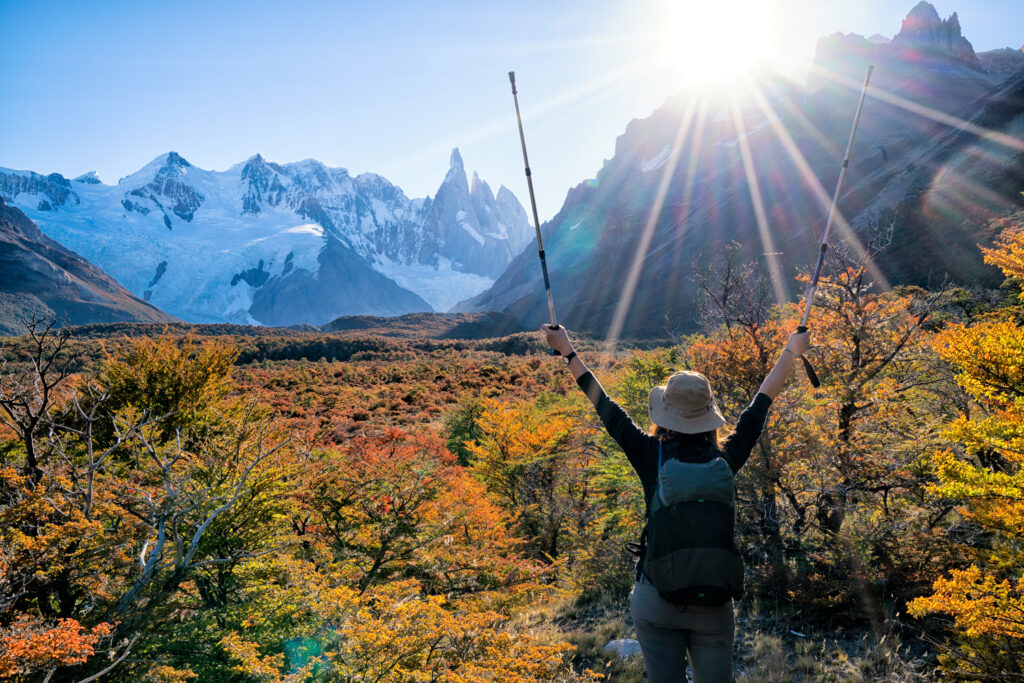
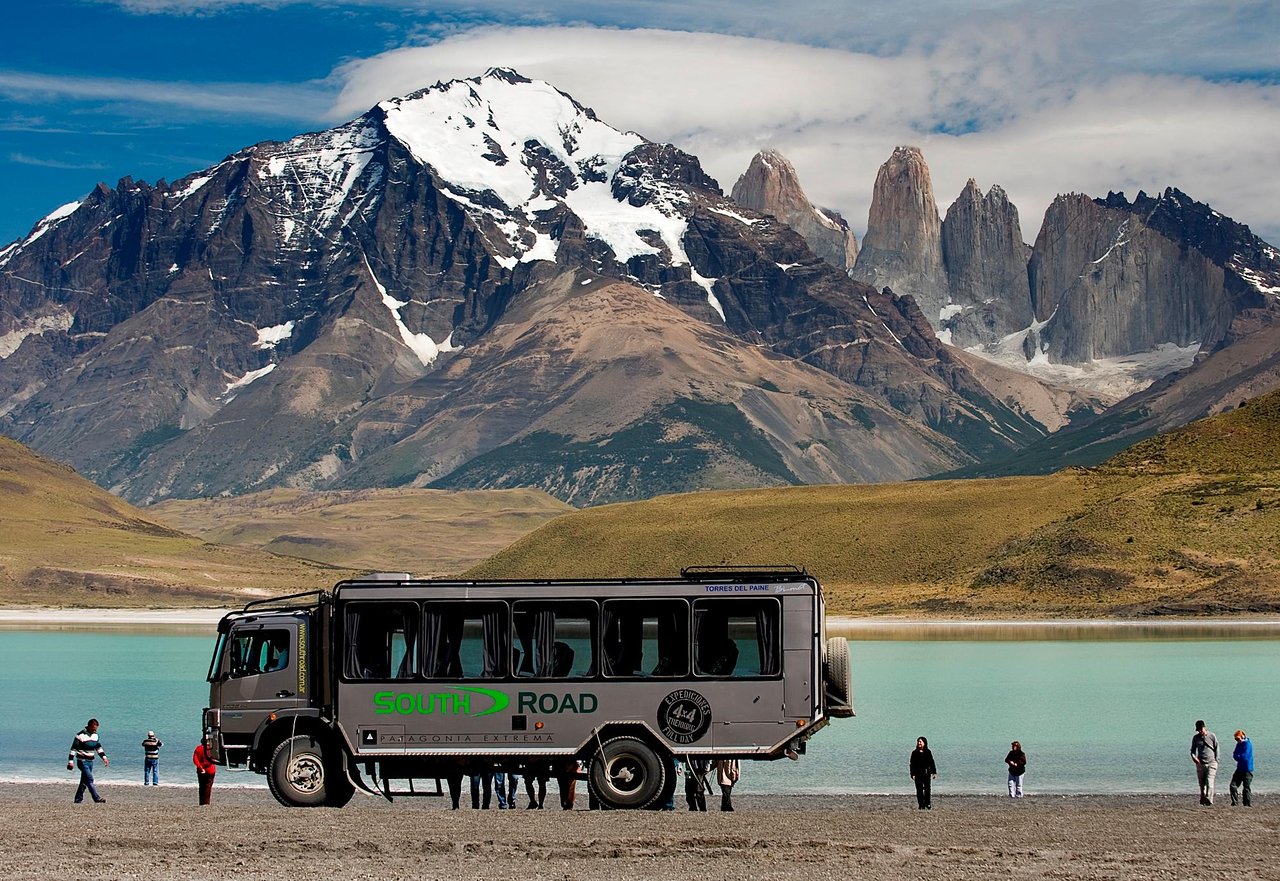
The Torres del Paine W Trek is perhaps the most iconic route in Patagonia. Guided by local experts, this 5-day trek covers over 70 kilometers of pristine wilderness—glaciers, turquoise lakes, and the iconic granite towers.
Tucan Travel provides an all-inclusive guided experience, including bilingual guides, park permits, accommodation in eco-camps or refugios, and meal services. The guide enhances the experience with insights into native flora and fauna, safety protocols, and route alternatives depending on the weather.
2. G Adventures – Fitz Roy and Cerro Torre Trek (Argentina)
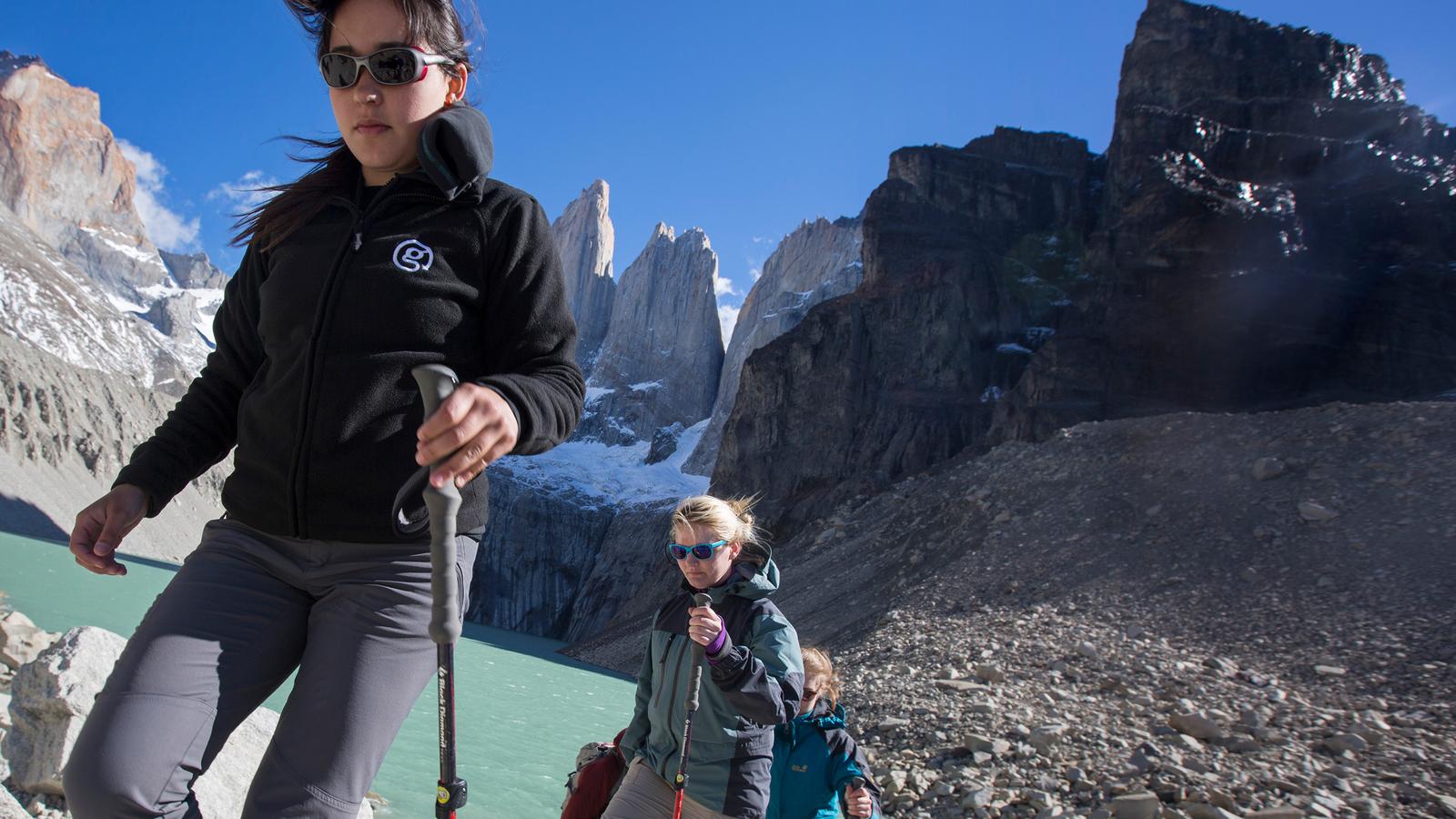
In Los Glaciares National Park, the trails around Mount Fitz Roy and Cerro Torre offer equally dramatic landscapes with slightly fewer crowds. G Adventures runs small-group guided tours that focus on immersive exploration combined with comfortable lodging in El Chaltén.
This guided trip includes daily hikes to viewpoints such as Laguna de los Tres, with guides adjusting pace and difficulty based on group fitness. They also educate hikers on glacial movement, Andean wildlife, and the cultural significance of Patagonia’s peaks.
3. REI Adventures – Patagonia Explorer with Glacier Hikes
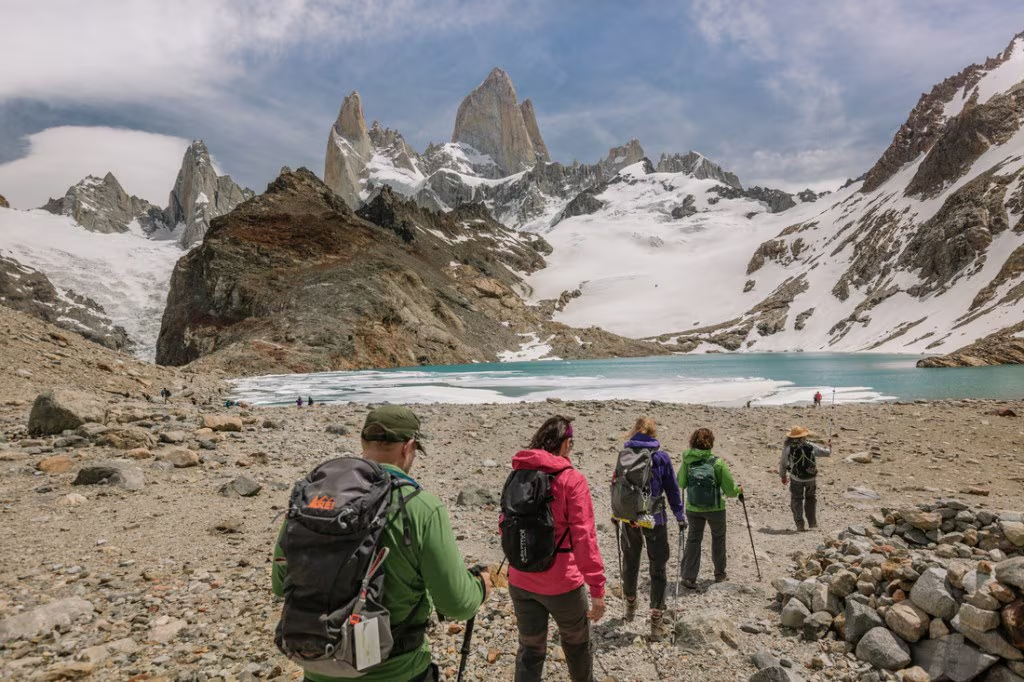
REI’s Patagonia Explorer package spans both Chile and Argentina, combining trekking with boat rides across glacial lakes and walking atop Perito Moreno Glacier. The guided tour lasts around 10–14 days and is perfect for those seeking varied terrain and longer immersion.
Led by expert naturalists and mountaineering guides, the trip includes safety gear, crampons for glacier walks, and robust emergency plans. The detailed itinerary ensures a seamless experience while allowing flexibility based on weather and trail conditions.
4. Intrepid Travel – Patagonia Wilderness Adventure
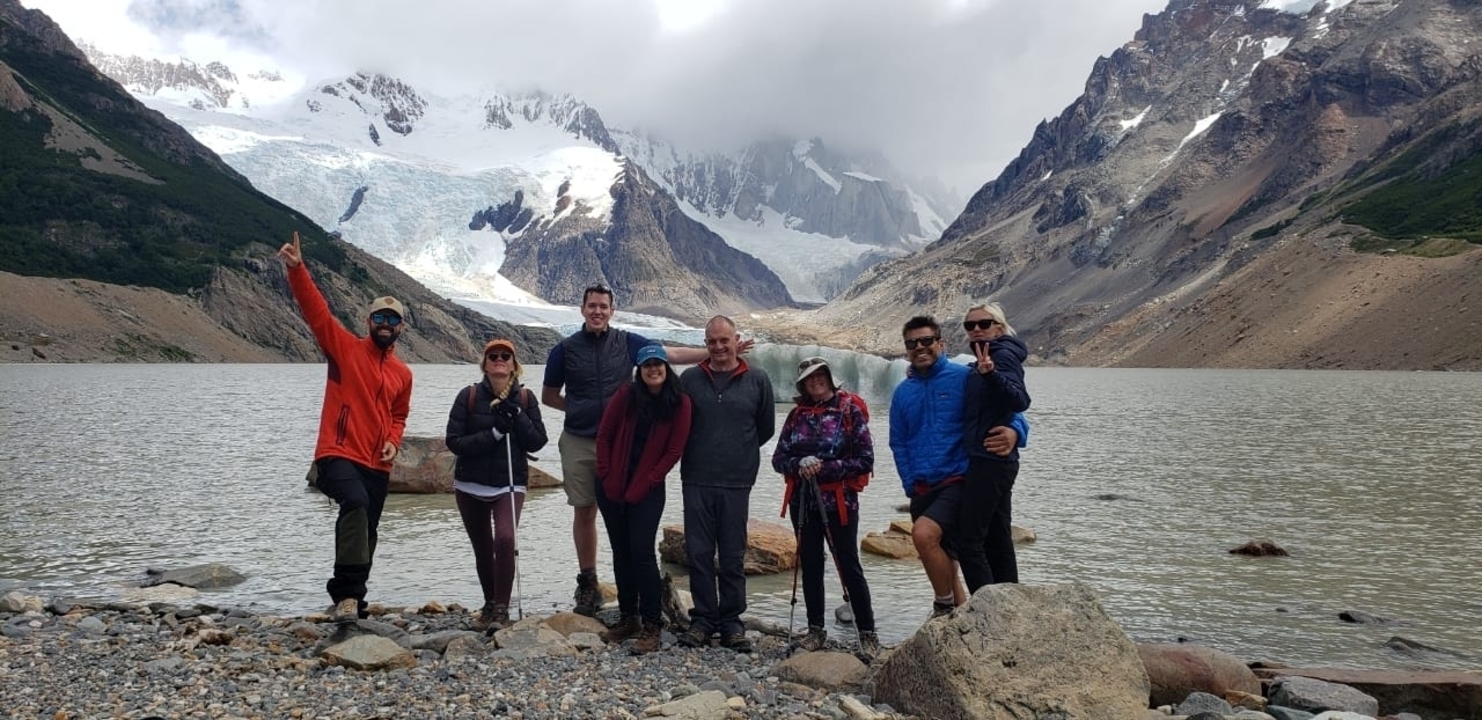
Intrepid’s trip is designed for eco-conscious trekkers, combining off-grid hiking with cultural experiences like staying in remote estancias (ranches). This tour covers both the lesser-visited Aysén region and parts of Torres del Paine.
Local guides lead the hikes while explaining the fragile ecosystem and conservation efforts in place. This makes it not just an adventure but a learning experience, ideal for travelers who want to trek responsibly.
5. Chalten Travel – Self-Guided Support with Logistics and Emergency Backup
For trekkers who want some independence but still desire support, Chalten Travel offers a hybrid model. While the hiking itself is self-guided, they handle accommodation bookings, luggage transfers, and provide 24/7 emergency contact.
This is an excellent example of guided support without full-time supervision. Trekkers receive trail maps, gear recommendations, and safety briefings before departure. Ideal for confident hikers who still want backup in Patagonia’s unpredictable terrain.
Practical Use Cases: Why Guided Trekking in Patagonia Solves Real Travel Challenges
Eliminating Logistical Overwhelm
Navigating permits, trail closures, weather forecasts, accommodation availability, and transport across vast distances can be overwhelming. Guided treks eliminate these concerns by managing all logistics in advance, letting you focus solely on the hike.
Enhancing Safety in Remote Environments
From sudden snowstorms to aggressive winds, Patagonia’s environment can be unpredictable. Guides are trained in wilderness first aid, evacuation procedures, and risk assessment, greatly reducing the chances of serious incidents.
Enriching the Journey Through Local Insight
Guides often share information that you won’t find in travel books—local legends, hidden spots, ecological facts, and historical background. This adds emotional and educational depth to the experience, making the trip more memorable.
Building Confidence for Inexperienced Trekkers
Those new to long-distance hiking can build confidence under the guidance of professionals. Trekking with experts provides reassurance while still offering physical and mental challenge.
Benefits of Guided Trekking Trips in Patagonia
Comprehensive Safety and Support
Whether it’s first-aid knowledge, emergency evacuation coordination, or route rerouting due to weather, guides ensure your safety at every step. This support allows trekkers to venture into places they might not otherwise explore alone.
Deep Environmental and Cultural Learning
Local guides often share deep insight into Patagonia’s biodiversity, geological history, and conservation challenges. This transforms the hike into a journey of learning and appreciation.
Time and Energy Efficiency
Guided trips handle transportation, food prep, and navigation, saving energy for the actual trekking. You’ll avoid wasting hours finding trailheads or worrying about supplies—everything is managed for you.
Community and Shared Experiences
Joining a guided group creates the opportunity to connect with like-minded adventurers from around the world. These shared journeys often result in friendships and collective memories that last long after the trip ends.
FAQ About Guided Trekking Trips in Patagonia
Q1. When is the best time to do guided treks in Patagonia?
The best trekking season in Patagonia runs from November to March (spring to early autumn). During this time, temperatures are milder and trails are generally accessible, though the weather can still be unpredictable.
Q2. Do I need to be an experienced hiker to join a guided trek?
Not necessarily. Many guided tours offer various difficulty levels and adjust pace or itinerary based on group ability. It’s always best to check the fitness level required for your specific tour and prepare accordingly.
Q3. Are guided tours in Patagonia suitable for solo travelers?
YesGuideded trekking tours are a great option for solo travelers as they offer built-in community, safety, and structure—ensuring a fulfilling experience without needing a hiking partner.