Scuba Diving Destinations in Southeast Asia. Southeast Asia is a dream destination for scuba diving enthusiasts. With its warm tropical waters, incredible biodiversity, and budget-friendly travel options, the region offers some of the most breathtaking underwater experiences on the planet. From the pristine atolls of the Maldives to the thriving reefs of Indonesia and the shipwrecks in the Philippines, each destination promises unique underwater encounters.
Whether you’re a beginner seeking calm, clear waters or an advanced diver looking for drift dives and pelagic encounters, Southeast Asia caters to all levels. Scuba Diving Destinations in Southeast Asia. This guide explores the top destinations, real-world diving spots, the benefits of diving in this region, and the life-changing experiences it can bring.
Why Southeast Asia Is a World-Class Scuba Diving Region
Southeast Asia sits within the Coral Triangle, one of the most biodiverse marine regions on Earth. It encompasses parts of Indonesia, Malaysia, the Philippines, and Timor-Leste—home to more than 500 species of reef-building corals and over 2,000 species of reef fish.
The region offers:
-
Consistent warm temperatures year-round make it ideal for diving in any season.
-
Affordable diving certifications and tours, perfect for backpackers and budget travelers.
-
A wide range of dive types, from macro photography in muck sites to thrilling wall and wreck dives.
Its geographical variety, marine richness, and accessibility make it a top choice for underwater explorers from around the world.
1. Indonesia – Raja Ampat and Komodo National Park
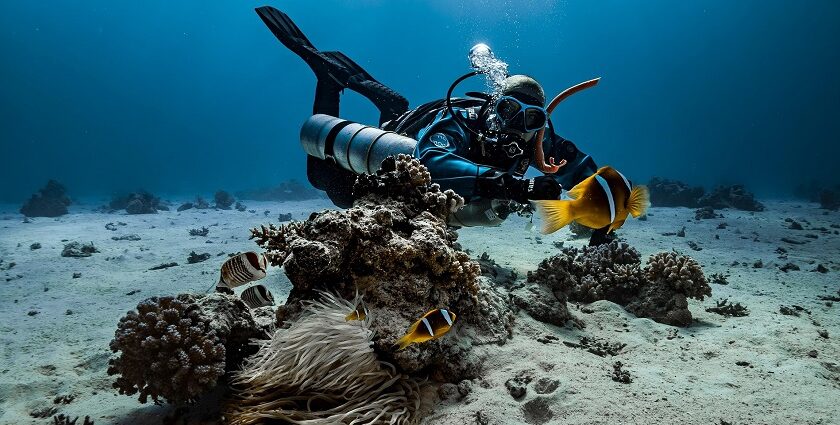
Indonesia is often regarded as the crown jewel of scuba diving in Southeast Asia. It boasts thousands of islands and diving locations that are part of the Coral Triangle.
Raja Ampat
Raja Ampat in West Papua is considered one of the most biodiverse marine areas on Earth. Divers can encounter over 1,500 fish species and 600 coral species.
What sets Raja Ampat apart is the crystal-clear visibility, healthy coral systems, and large pelagic life, like manta rays, reef sharks, and whale sharks. The reefs here are largely untouched due to their remoteness, making each dive a surreal experience.
Komodo National Park
Komodo offers strong currents and advanced diving experiences. Divers can witness huge schools of fish, turtles, manta rays, and even reef sharks. It’s also one of the few places in the world where you can dive alongside Komodo dragons (on land, before or after your dive).
The area’s nutrient-rich waters provide thriving ecosystems, making it a hotspot for underwater photographers and marine biologists.
2. The Philippines – Tubbataha Reefs Natural Park and Apo Reef
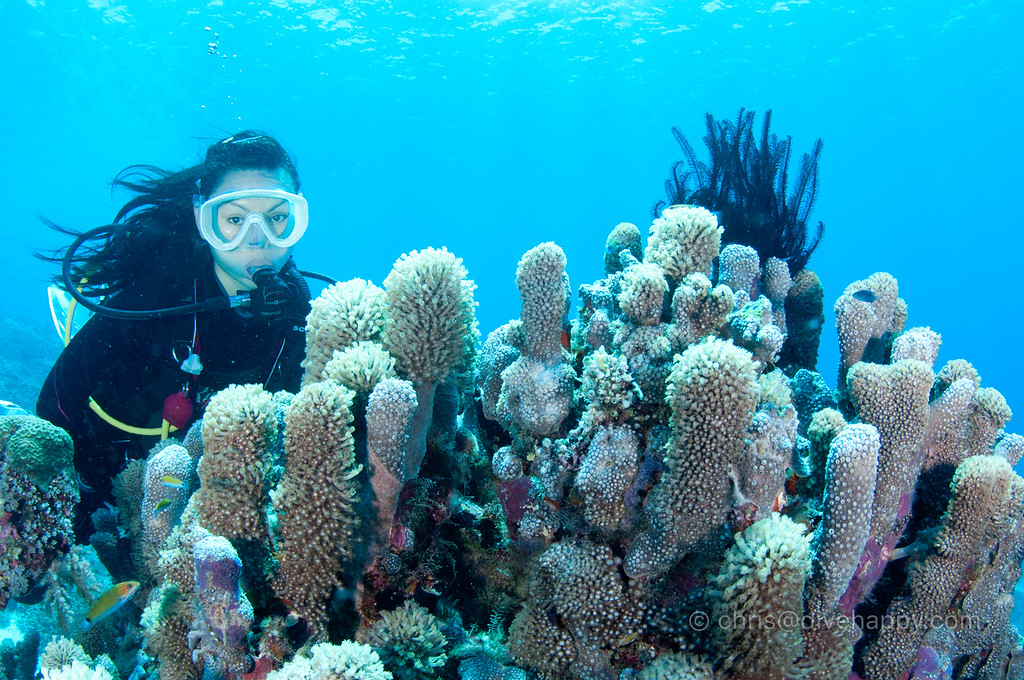
The Philippines is a haven of over 7,000 islands, many of which offer extraordinary diving opportunities.
Tubbataha Reefs Natural Park
A UNESCO World Heritage Site, Tubbataha is only accessible by liveaboard during a few months of the year (March to June). Located in the middle of the Sulu Sea, the park features sheer drop-offs, vibrant coral gardens, and rare species such as hawksbill turtles, Napoleon wrasses, and hammerhead sharks.
Apo Reef
Apo Reef is the second-largest contiguous coral reef system in the world, after Australia’s Great Barrier Reef. It offers a diverse mix of reef walls, coral canyons, and underwater pinnacles. Scuba Diving Destinations in Southeast Asia. The area is teeming with life—from nudibranchs to barracudas—and is ideal for both beginners and advanced divers.
3. Malaysia – Sipadan Island
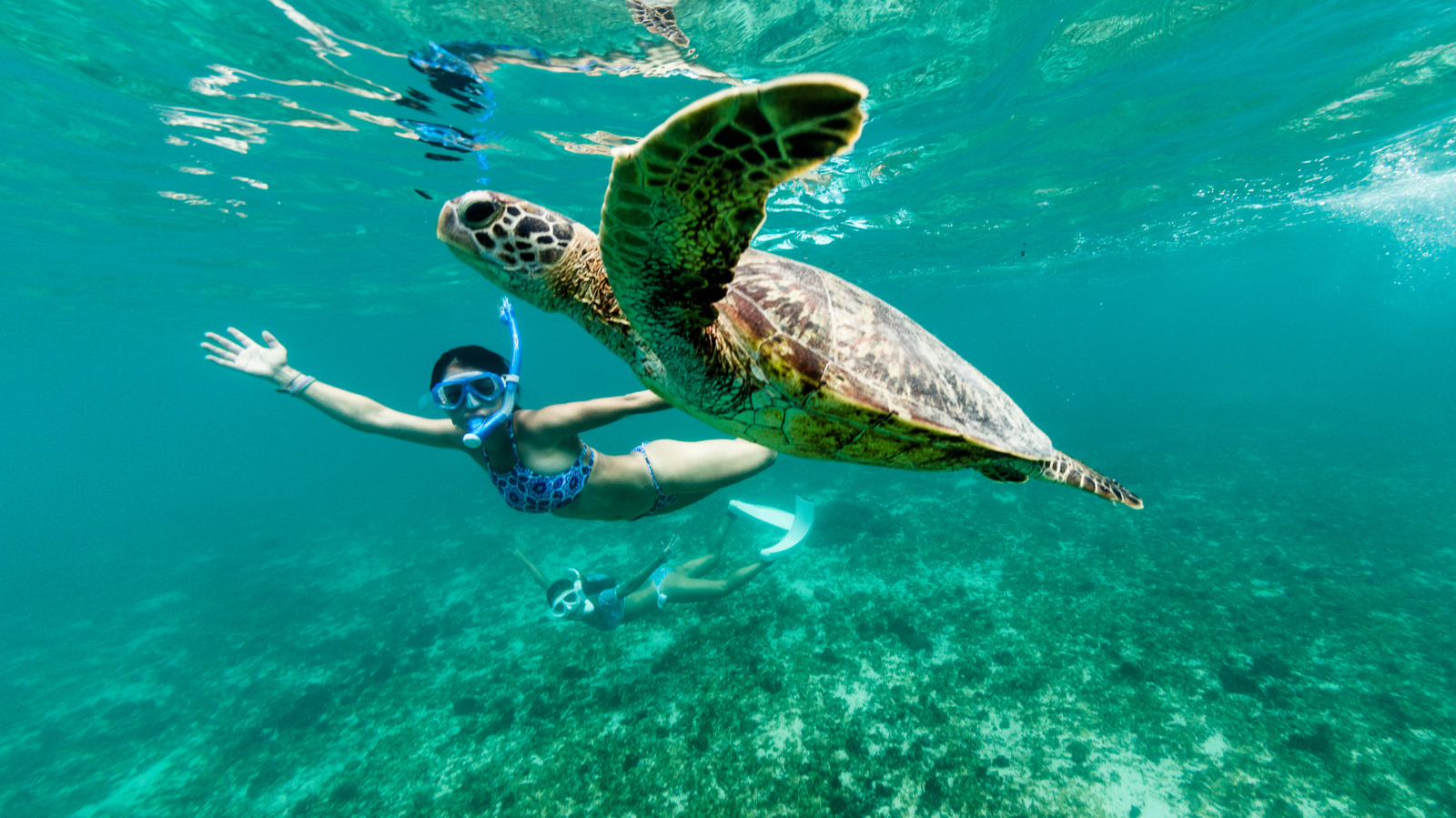
Sipadan is Malaysia’s only oceanic island, formed by living corals growing on top of an extinct volcanic cone. This unique formation offers vertical wall dives that drop thousands of meters.
The island is famous for:
-
Huge schools of barracuda and jackfish
-
Dozens of green and hawksbill turtles
-
Regular sightings of reef sharks
Due to conservation efforts, only 120 divers per day are allowed to visit Sipadan. This protects its delicate ecosystem while ensuring a premium diving experience.
4. Thailand – Similan Islands and Koh Tao
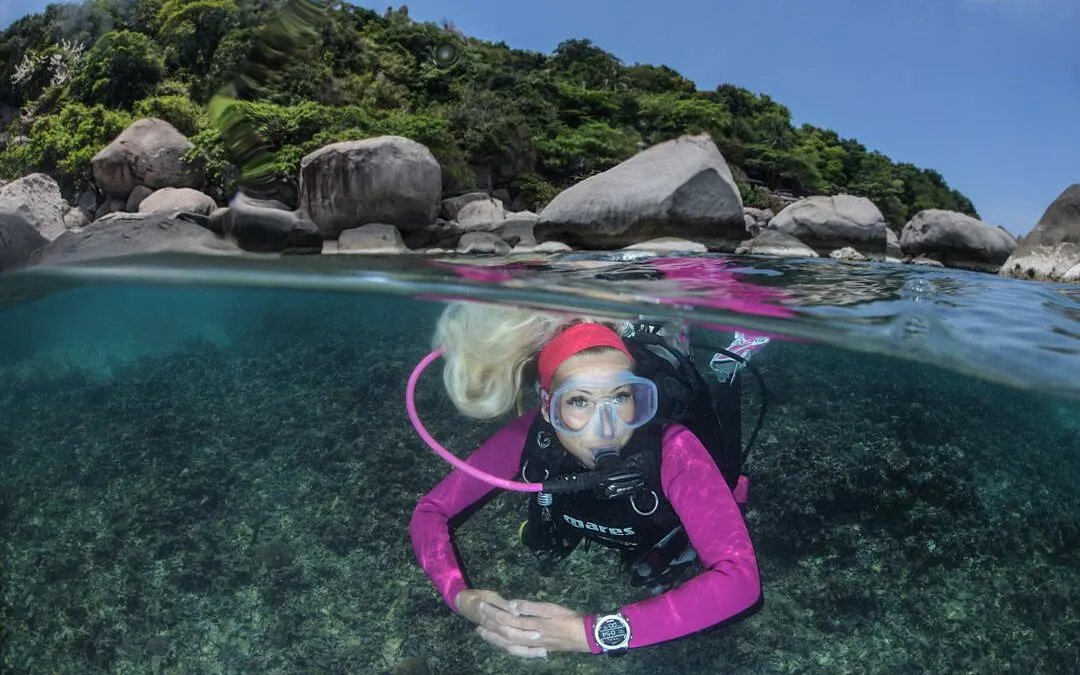
Thailand is known for its excellent diving infrastructure and training schools. It’s a great destination for those looking to learn scuba diving or gain certification.
Similan Islands
Located in the Andaman Sea, this archipelago offers stunning underwater topography—giant granite boulders, swim-throughs, and coral gardens. The islands attract whale sharks and manta rays during migration season (February to May).
Koh Tao
Koh Tao is one of the cheapest places in the world to get PADI certified. With over 25 dive sites just minutes from shore, it’s a favorite among beginners. Scuba Diving Destinations in Southeast Asia. Despite its popularity, the marine life remains impressive, with frequent sightings of reef sharks, stingrays, and colorful reef fish.
5. Timor-Leste – Atauro Island
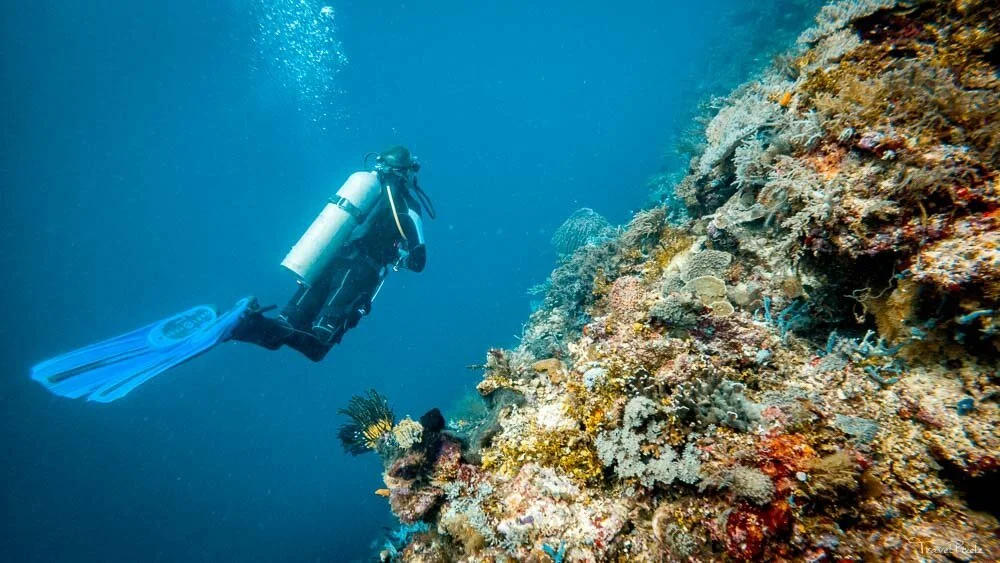
Timor-Leste is a lesser-known gem in Southeast Asia’s diving scene. Its waters are among the clearest and least polluted in the region. Atauro Island, just north of Dili, offers untouched reef systems and a staggering variety of marine life.
It’s particularly suitable for those seeking off-the-beaten-path adventures, and it supports community-based ecotourism initiatives that protect both marine ecosystems and local livelihoods.
Practical Benefits of Scuba Diving in Southeast Asia
Scuba diving in Southeast Asia offers far more than beautiful views. Here are practical benefits that make it a worthwhile pursuit:
Affordability and Accessibility
Compared to other parts of the world, dive certifications, gear rental, and guided dives are significantly cheaper. Countries like Thailand and the Philippines have extensive diving networks and low-cost travel options.
Health and Wellness
Diving promotes cardiovascular fitness, muscle tone, and stress relief. The slow, deep breathing required underwater is similar to meditation, which has mental health benefits.
Environmental Awareness
Diving in diverse marine habitats increases appreciation for ocean conservation. Many dive centers in Southeast Asia offer eco-dive programs or opportunities to participate in reef cleanups.
Real-World Use Cases of Scuba Diving in Southeast Asia
Marine Conservation Projects
Scuba diving plays a key role in supporting conservation efforts. For example, Coral Triangle Initiative sites in Indonesia and the Philippines depend on trained divers to monitor reef health and conduct biodiversity surveys.
Underwater Photography and Videography
Thanks to the region’s high visibility and rich marine life, it’s ideal for underwater creatives. From macro photography of nudibranchs to wide-angle shots of manta rays, opportunities abound for hobbyists and professionals.
Skill Development for Scientific Research
Universities and NGOs often send marine biology students to Southeast Asia to conduct fieldwork. Diving enables them to collect data, study coral regeneration, and document marine behaviors firsthand.
Adventure Tourism and Travel Blogging
For digital nomads and travel bloggers, scuba diving provides unique content and storytelling opportunities. Destinations like Bali, Cebu, and Koh Tao are favorite stops for influencers who want to combine diving with cultural experiences.
Rescue and Public Safety Diving
In some coastal regions, trained divers assist in rescue missions, ocean debris removal, or underwater inspections. These operations often begin with certifications gained through tourism-focused dive centers.
Use Cases: What Problems Scuba Diving Helps Solve
Problem 1: High Stress and Mental Fatigue
Scuba diving is widely reported to help relieve anxiety and stress. The calming underwater environment, combined with mindful breathing, makes it ideal for mental rejuvenation.
Problem 2: Lack of Ocean Awareness
Many tourists are unaware of the threats facing coral reefs. Diving immerses individuals in marine ecosystems, encouraging greater environmental stewardship.
Problem 3: Limited Career Options in Remote Areas
Scuba diving tourism provides jobs in remote island communities—from dive instructors to boat operators and hospitality staff—thus supporting local economies.
FAQ
Q1. What is the best time of year to go scuba diving in Southeast Asia?
Most destinations are great year-round, but the best visibility and calmest seas usually occur during the dry season: November to April in Thailand and the Philippines, and May to October in Indonesia and Malaysia.
Q2. Is Southeast Asia suitable for beginner divers?
Yes, especially places like Koh Tao (Thailand), Nusa Lembongan (Indonesia), and Moalboal (Philippines), which offer gentle currents and abundant training centers.
Q3. Do I need special permits to dive at certain locations?
Some protected areas, like Sipadan and Tubbataha, require booking and special permits. These are usually arranged by dive operators and help limit environmental impact.