Costa Rica is globally recognized as a pioneer in eco-tourism, with over 25% of its land protected by national parks and reserves. As the demand for sustainable travel increases, eco-lodges in Costa Rica offer travelers the perfect balance between comfort, environmental responsibility, and immersion in nature. These lodges go beyond green marketing—they integrate renewable energy, local sourcing, wildlife protection, and cultural preservation into their core operations.
Whether you’re seeking a remote rainforest retreat, a beachfront sanctuary, or a cloud forest hideaway, Costa Rica offers eco-lodges that redefine luxury through sustainability. In this comprehensive guide, you’ll discover top-rated lodges, the technology they use for conservation, and the real-world impact of choosing eco-friendly accommodations.
Why Eco-Lodges in Costa Rica Are Gaining Global Recognition
Costa Rica’s commitment to environmental preservation is more than just policy—it’s deeply rooted in the country’s identity. The government and local communities have collaborated to develop an ecotourism model that preserves biodiversity while supporting local economies. Eco-lodges are a key component of this system.
These accommodations are typically situated in ecologically sensitive areas, such as rainforests, cloud forests, and marine zones. They are built using sustainable materials, minimize waste production, use renewable energy sources, and often participate in wildlife conservation projects.
What sets Costa Rica apart is the authenticity of its eco-lodges. Rather than simply reducing harm, these lodges aim to regenerate ecosystems and educate guests on sustainable living, making every stay both impactful and inspiring.
Real-World Examples of the Best Eco-Lodges in Costa Rica
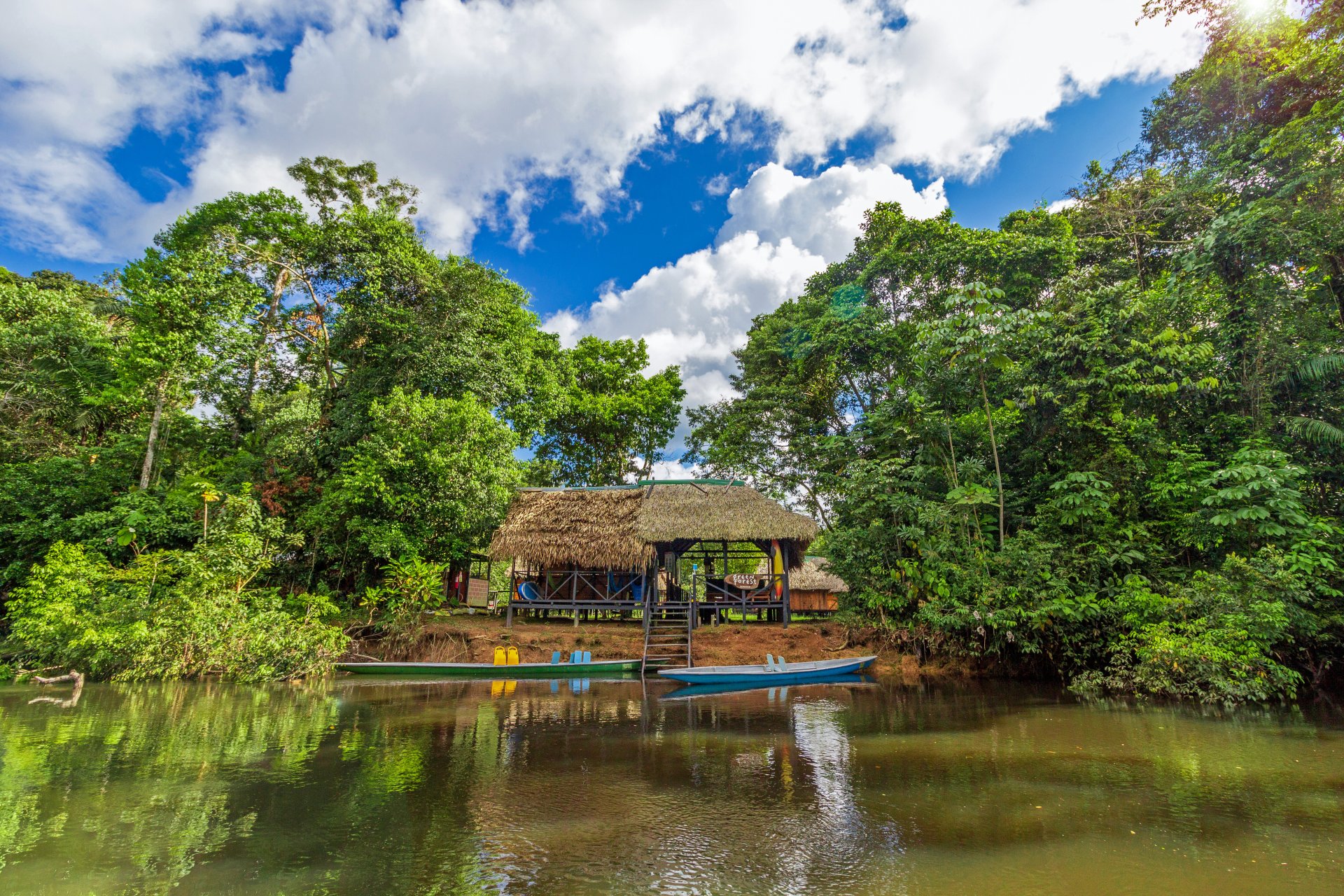
Lapa Rios Lodge – Osa Peninsula
Located on a 1,000-acre private nature reserve near Corcovado National Park, Lapa Rios is considered one of the top eco-lodges in Central America. The lodge is powered by solar energy and built using low-impact materials, blending seamlessly into its tropical rainforest surroundings.
Guests at Lapa Rios can participate in guided wildlife tours, birdwatching hikes, and conservation projects. The lodge supports local education initiatives and hires only from surrounding communities. Staying here offers a front-row seat to biodiversity while contributing directly to rainforest protection.
Pacuare Lodge – Talamanca Mountains
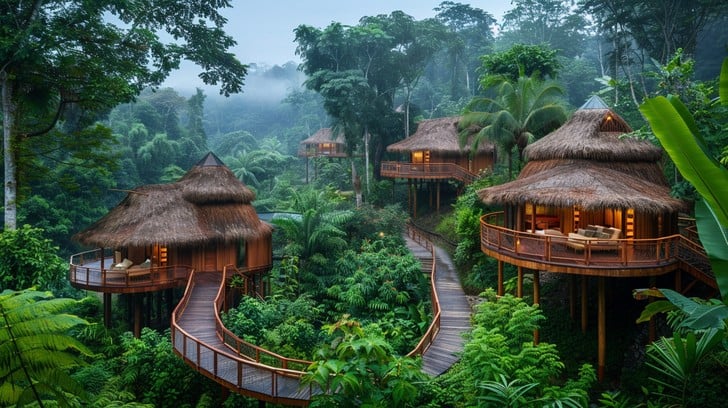
Pacuare Lodge is accessible only by raft or a jungle trail, enhancing its remote and untouched feel. Overlooking the Pacuare River, this eco-lodge is a model for sustainable luxury, using hydroelectric power and rainwater harvesting systems.
Each bungalow is handcrafted using reclaimed wood and local materials. Guests can enjoy canyoning, zip-lining, and cultural exchanges with nearby indigenous communities. The lodge also funds reforestation efforts and wildlife monitoring, reinforcing its mission of regenerative tourism.
Finca Rosa Blanca – Central Valley
Just 20 minutes from San José, Finca Rosa Blanca is an eco-boutique hotel situated on an organic coffee farm. It’s ideal for travelers who want to stay eco-conscious without straying far from the capital.
This lodge uses solar panels, composting systems, and locally sourced ingredients to reduce its ecological footprint. Guests can tour the coffee plantation, enjoy art installations from local artists, and participate in educational sustainability workshops.
Rancho Margot – Arenal Region
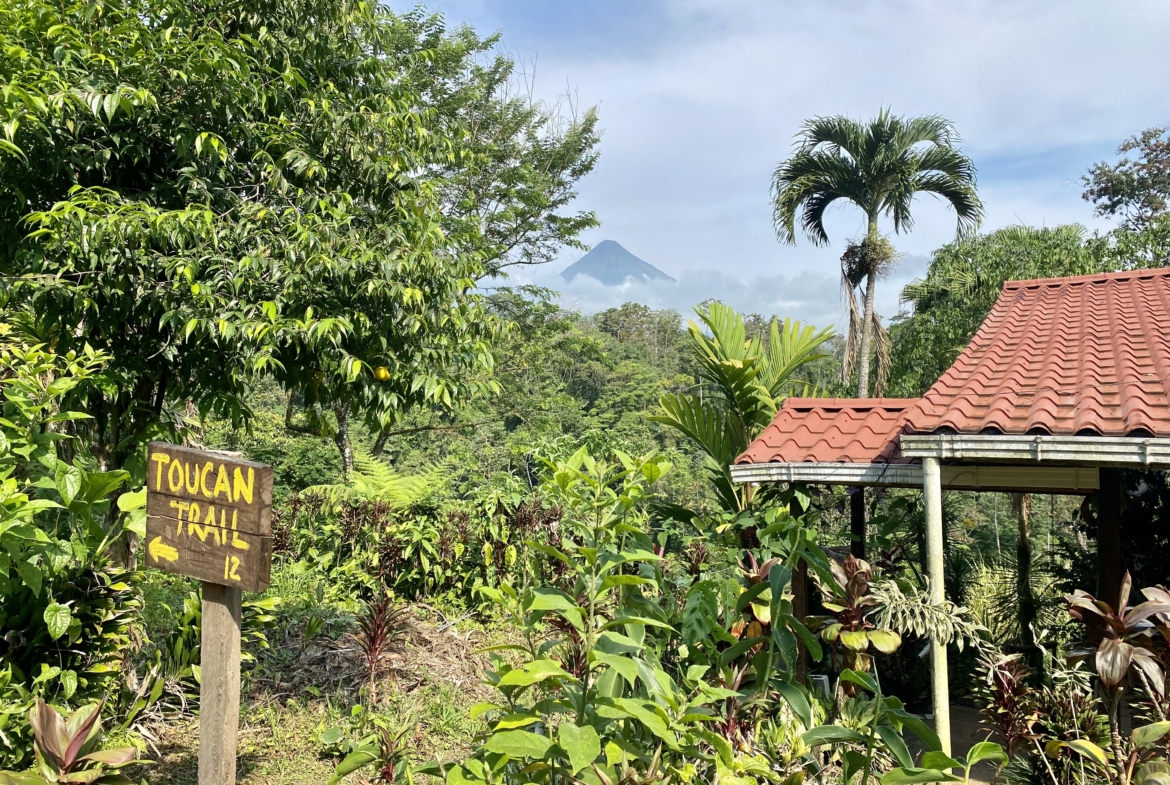
Rancho Margot is a self-sufficient eco-ranch powered by its hydroelectric plant. Nestled near the Arenal Volcano, the lodge features permaculture gardens, biogas digesters, and open-air yoga studios made from natural materials.
The lodge runs entirely off-grid and produces its own food, energy, and cleaning supplies.
El Silencio Lodge & Spa – Bajos del Toro
El Silencio combines luxury wellness experiences with ecological sensitivity. Situated in a private cloud forest reserve, it uses LED lighting, biodegradable products, and carbon-offset programs to reduce environmental impact.
Visitors can explore the surrounding waterfalls, participate in tree-planting ceremonies, or enjoy the lodge’s organic farm-to-table cuisine. This eco-lodge exemplifies how wellness tourism and sustainability can coexist in harmony.
Benefits of Using Technology in Eco-Lodges
Modern eco-lodges in Costa Rica seamlessly integrate technology to promote efficiency, reduce environmental impact, and enhance guest experiences.
Renewable Energy Systems
Many top eco-lodges use solar panels, micro-hydro turbines, and biogas systems to generate electricity. These technologies not only reduce reliance on fossil fuels but also empower remote locations to operate independently of grid power.
For instance, Rancho Margot’s hydroelectric system powers the entire lodge, while Pacuare Lodge harnesses gravity-fed water systems for eco-friendly showers and toilets. These innovations prove that comfort and sustainability can go hand in hand.
Smart Water and Waste Management
Eco-lodges use gray water recycling, rainwater collection, and composting toilets to minimize water waste. Sensors track water usage in real time, helping staff detect leaks or inefficiencies and guests understand their consumption.
Advanced waste management systems also process organic waste into compost used in on-site gardens, creating a closed-loop sustainability model.
Eco-Education Apps and Augmented Reality
Some eco-lodges offer educational apps or augmented reality guides to teach guests about local flora, fauna, and conservation efforts. These tools make the experience more interactive while reinforcing the lodge’s environmental mission.
For example, at Lapa Rios, guests can scan QR codes around the property to learn about wildlife behavior, climate patterns, and native plant species.
Practical Advantages of Staying in Eco-Lodges in Costa Rica
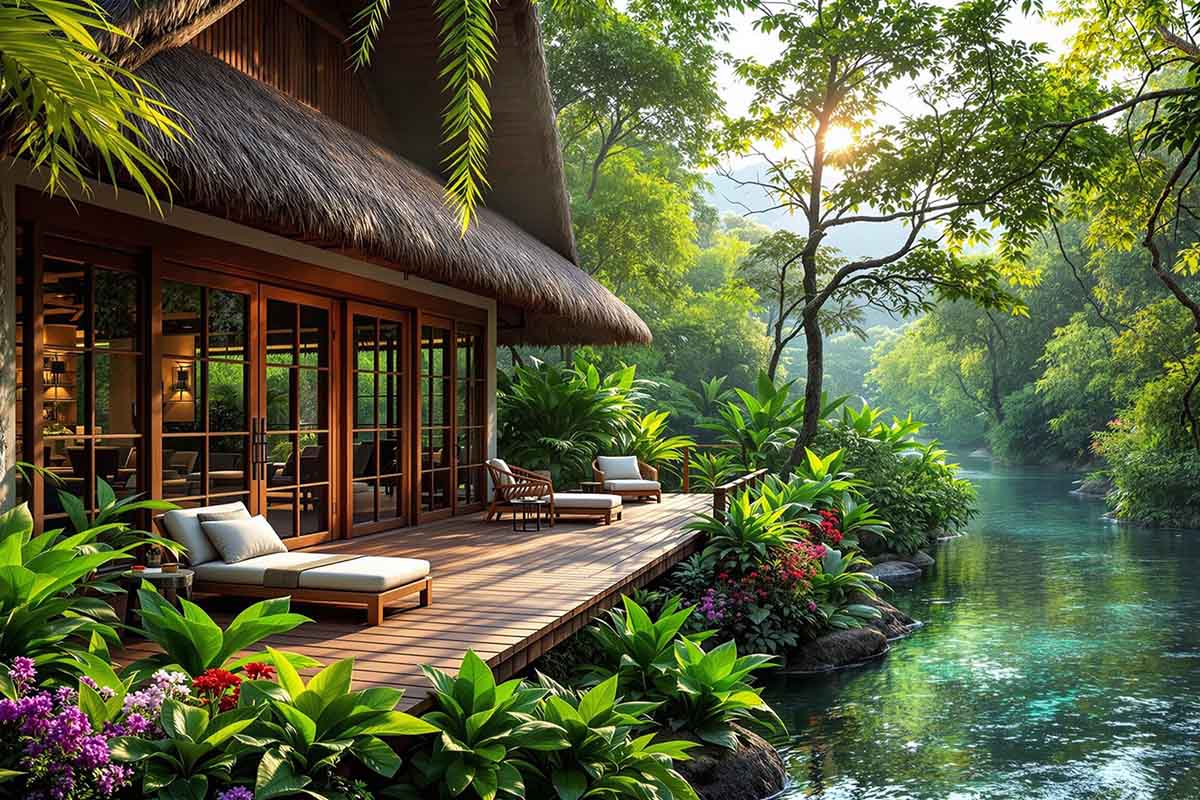
Choosing to stay in eco-lodges provides tangible benefits beyond environmental impact. These include personal well-being, community engagement, and deeper connections to nature.
Immersive Nature Experiences
Eco-lodges are often located within or adjacent to national parks and reserves, giving guests direct access to untouched ecosystems, wildlife observation, and eco-adventure activities. Unlike standard resorts, the design of these lodges encourages outdoor exploration and mindful engagement with nature.
Cultural and Community Enrichment
Many eco-lodges support local artisans, farmers, and educators. By staying at these properties, travelers contribute to the economic well-being of nearby communities. Guests can take cooking classes, learn indigenous traditions, or visit rural schools, gaining valuable cultural insight.
Personal Health and Mindfulness
Most eco-lodges promote wellness through organic cuisine, nature-based spa treatments, and mindful activities like yoga or forest bathing. The peaceful environments and slower pace of life allow for physical detox and mental rejuvenation.
Use Cases: Real-World Problems Eco-Lodges Help Solve
Problem 1: Environmental Degradation from Mass Tourism
Conventional hotels often contribute to pollution, habitat destruction, and excessive resource consumption. Eco-lodges in Costa Rica reverse this trend by integrating low-impact designs, protecting wildlife corridors, and reinvesting in local conservation efforts.
Problem 2: Disconnect from Nature and Cultural Roots
In a hyper-digital world, many travelers seek reconnection with the natural world. Eco-lodges provide technology-free zones, outdoor experiences, and storytelling that help guests rediscover their relationship with nature and ancestral knowledge.
Problem 3: Unsustainable Hospitality Practices
By eliminating single-use plastics, sourcing locally, and using renewable energy, eco-lodges demonstrate that hospitality can thrive without exploitation. They serve as living examples of circular economy principles applied in real time.
FAQ
Q1. Are eco-lodges in Costa Rica more expensive than regular hotels?
While some eco-lodges are in the luxury category, many offer mid-range and budget options. What you pay often includes not just accommodation, but also meals, guided activities, and access to private reserves, making them a high-value choice for conscious travelers.
Q2. Is it safe to stay in remote eco-lodges?
Yes. Most eco-lodges prioritize guest safety and provide trained staff, emergency protocols, and secure accommodations.
Q3. Can families with children stay at eco-lodges?
Absolutely. Many eco-lodges offer family-friendly experiences like wildlife safaris, nature walks, and educational activities. Some even have special programs to engage children in sustainability through play and exploration.