Cultural immersion travel experiences offer an opportunity to go beyond surface-level tourism and truly engage with the people, traditions, and daily life of a destination. Unlike typical sightseeing, cultural immersion encourages meaningful interactions, language learning, participation in local customs, and deeper appreciation for regional identities. In this in-depth guide, you’ll learn how cultural immersion enhances personal growth, builds empathy, and transforms the way we see the world.
Understanding the Essence of Cultural Immersion in Travel
Cultural immersion is the process of fully integrating into a community or culture, often by participating in its daily routines, rituals, and social dynamics. It is not just about visiting a place — it’s about experiencing life as locals do. This may include staying with host families, attending cultural festivals, cooking traditional meals, or learning indigenous crafts.
What sets cultural immersion apart is the focus on understanding from within. Instead of consuming culture as a passive observer, travelers actively contribute and adapt. This method fosters a more authentic exchange and deeper emotional connection between travelers and local communities.
Cultural immersion travel experiences can take place over days, weeks, or months and are often facilitated through volunteer programs, homestays, study abroad courses, or cultural exchange platforms. The rewards are profound: cultural awareness, personal transformation, and often lifelong friendships.
Why Cultural Immersion Travel Is More Relevant Than Ever
With the rise of mass tourism, many destinations are experiencing cultural dilution and over-tourism. In response, travelers are seeking more meaningful, respectful, and responsible ways to explore the world. Cultural immersion travel aligns perfectly with this trend.
This form of travel supports local economies directly, encourages sustainable practices, and promotes cross-cultural understanding. It enables travelers to slow down, reflect, and develop global citizenship. Whether it’s sharing stories over tea with a Berber family in Morocco or participating in a rice planting ritual in Bali, these moments foster mutual respect and empathy.
Real-World Examples of Cultural Immersion Travel Experiences
1. Homestays with Local Families in Peru
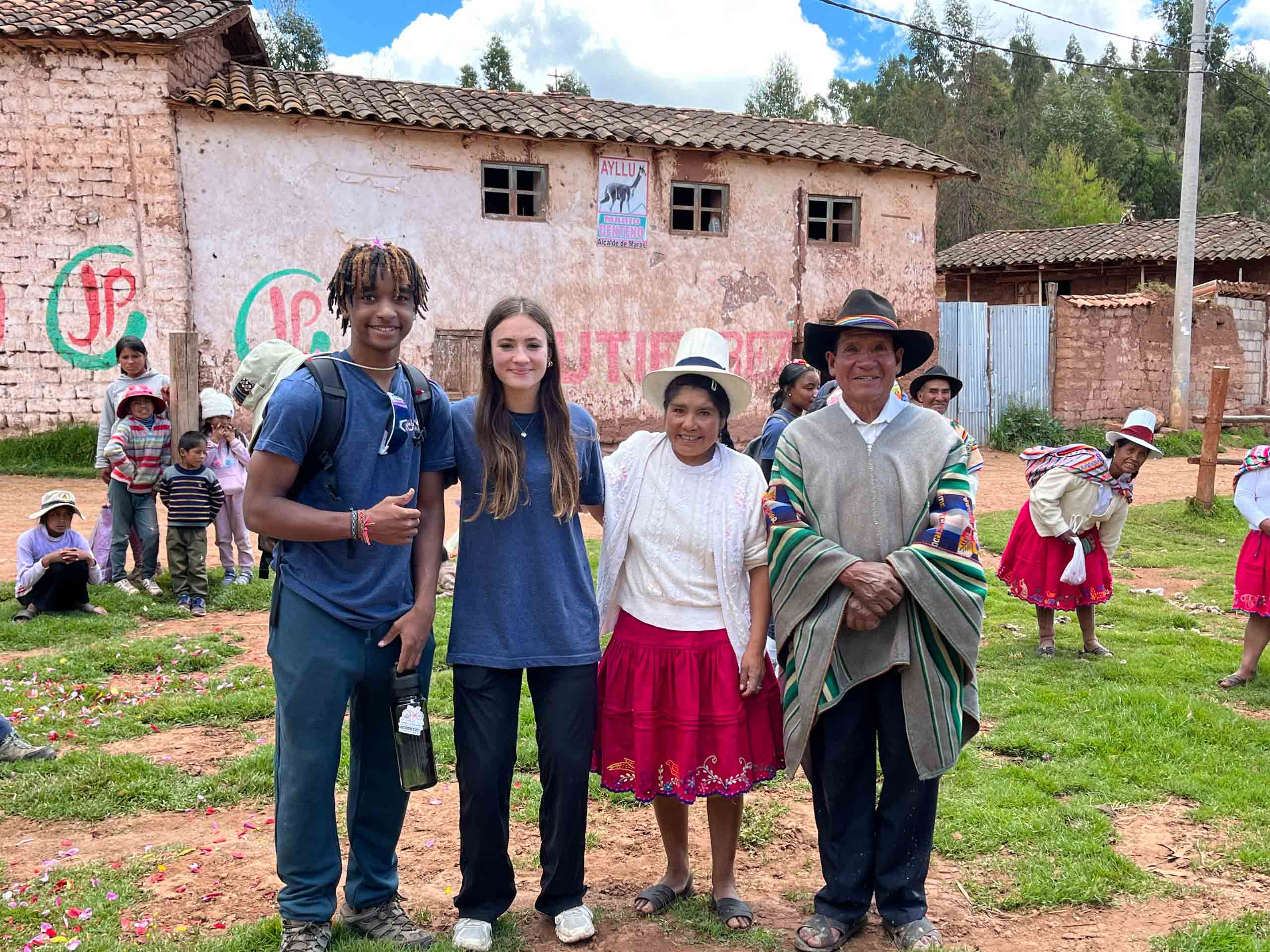
In the Andean highlands of Peru, travelers can stay with indigenous Quechua-speaking families near Lake Titicaca. These homestays provide direct insight into traditional lifestyles, including farming, weaving, and community rituals.
Guests often participate in daily chores, cook with the family, and learn about pre-Columbian spiritual beliefs. This experience encourages a deeper connection to the land and its people, far beyond what a hotel stay or day tour could offer.
2. Cooking Classes in Vietnam
Vietnamese cooking classes in cities like Hoi An and Hanoi go beyond recipes. Participants begin by visiting local markets, learning to identify herbs, spices, and fresh produce. Many programs are hosted by families or cultural centers, offering cultural context alongside culinary techniques.
Travelers learn about family roles, generational food traditions, and the cultural symbolism behind dishes like phở or bánh xèo. These classes are an engaging, sensory-rich entry point into Vietnamese life and hospitality.
3. Language Immersion Retreats in Spain

In rural Spain, immersive language retreats pair foreign learners with local speakers for weeks of uninterrupted interaction. These programs combine structured language lessons with cultural activities like tapas nights, flamenco workshops, and traditional village festivals.
Because participants must communicate in Spanish throughout, they not only improve fluency but also gain deep insight into Spanish values, humor, and social customs — a true dual immersion.
4. Maasai Cultural Tours in Kenya
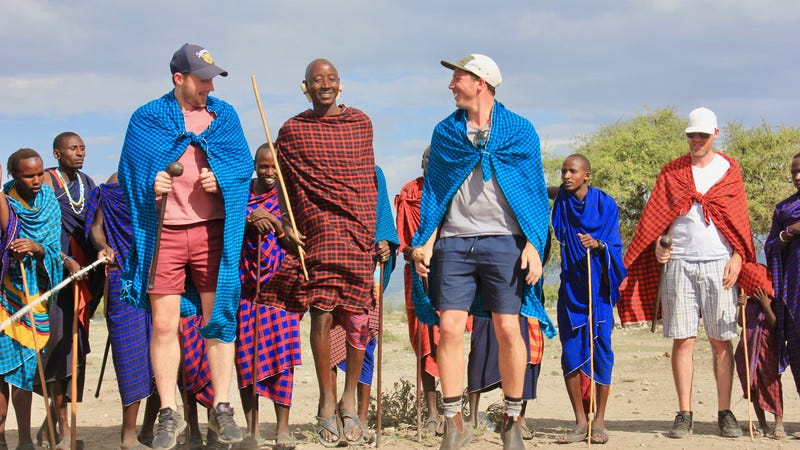
In Maasai communities near the Serengeti, travelers can engage in ethical, community-led cultural programs. Activities include storytelling, dance, cattle herding, and beading workshops, all conducted by Maasai hosts.
Unlike exploitative “cultural showcases,” these experiences are designed by and for the communities themselves. They allow the Maasai to present their culture on their own terms while generating income for schools and health programs.
5. Monastic Stays in Japan
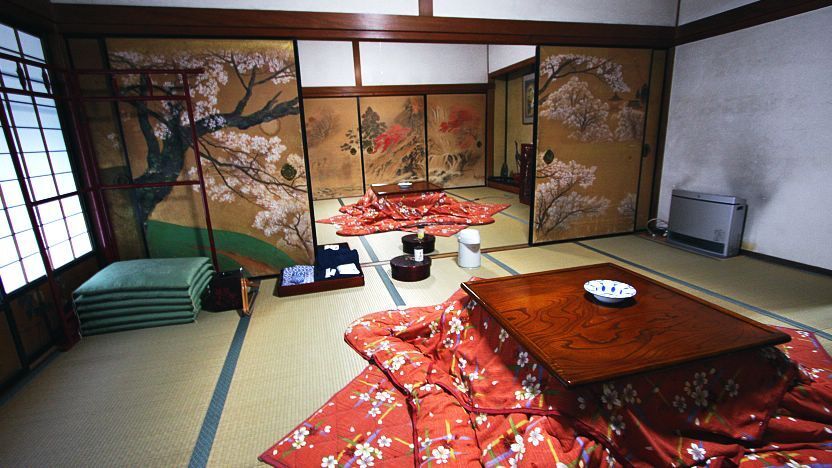
Staying in a Buddhist temple in Japan’s Koyasan region offers a peaceful, immersive spiritual experience. Guests participate in morning prayers, meditation, and vegetarian meals known as shōjin ryōri.
This quiet immersion into Zen practices, rituals, and discipline provides not only cultural exposure but a meditative retreat from modern life. Monastic stays are especially impactful for travelers seeking inner clarity or a reset from consumer-driven tourism.
How Technology Enhances Cultural Immersion Travel
Technology has become a powerful ally in making cultural immersion more accessible, meaningful, and respectful.
Translation and Communication Tools
Language is often a barrier to deeper immersion. Apps like Google Translate, iTranslate, and SayHi allow travelers to bridge the gap quickly, making it easier to ask questions, share stories, and understand instructions. While not perfect, they reduce friction and allow for more natural interactions with locals.
Some programs also integrate language learning apps like Duolingo or Babbel before or during travel to prepare participants for real-life conversations. These tools help build confidence, especially for first-time travelers engaging in immersive stays.
GPS and Cultural Navigation Apps
Apps such as Maps.me and Culture Trip not only provide offline navigation but highlight cultural points of interest that may be overlooked by mainstream tourism. This allows travelers to explore local events, historical landmarks, and community spaces they might otherwise miss.
Technology also enables access to virtual cultural tours, background podcasts, or audiobooks about the region — offering travelers important cultural context before they even arrive.
Responsible Travel Platforms
Platforms like Workaway, Worldpackers, and TrustedHousesitters match travelers with hosts around the world for cultural exchange opportunities. These platforms use ratings, reviews, and secure messaging to build trust and transparency, helping travelers find safe and meaningful immersion experiences.
By leveraging such platforms, individuals can easily find volunteering opportunities, farm stays, or cultural retreats that align with their values and interests — without falling into the trap of mass tourism.
Practical Benefits of Cultural Immersion Travel
Deep Personal Growth and Self-Awareness
Immersing in a different culture challenges assumptions, dismantles stereotypes, and promotes humility. Travelers often return home with a more nuanced worldview, heightened empathy, and stronger cross-cultural communication skills.
This kind of learning is rarely gained through books or classrooms. It happens when you’re trying to help prepare a meal in a new language or navigate a traditional ceremony where you’re the only foreigner.
Building Meaningful Human Connections
Cultural immersion fosters authentic relationships that often last a lifetime. Whether through shared meals, ceremonies, or daily life, these bonds break down borders and foster global solidarity.
For solo travelers or those seeking purpose, cultural immersion often provides a sense of belonging that tourist-heavy itineraries fail to offer.
Supporting Local Communities
Unlike large-scale tourism, which often channels money to corporate entities, cultural immersion travel tends to support families, cooperatives, and local institutions. This economic impact contributes to community development, cultural preservation, and sustainable tourism.
Use Cases: Real-World Problems Cultural Immersion Solves
Overcoming Cultural Misunderstanding
In a globalized world, miscommunication between cultures can lead to stereotypes or tension. Cultural immersion experiences help travelers develop cultural intelligence — the ability to understand and respect different norms, values, and communication styles.
This is particularly valuable for students, professionals, or digital nomads working across borders. Cultural awareness improves teamwork, negotiation, and leadership in international settings.
Combating Shallow Tourism Fatigue
Many travelers feel burnt out by shallow, checklist-style tourism. Cultural immersion offers a remedy: slower, deeper, more fulfilling experiences. Instead of snapping a photo at a landmark and moving on, travelers can be part of the story — learning, giving, and growing.
This leads to longer stays, richer memories, and a more satisfying relationship with travel itself.
Encouraging Ethical and Sustainable Tourism
By promoting local engagement and mutual respect, cultural immersion discourages exploitative tourism practices. Cultural Immersion Travel Experiences. Travelers become stewards of responsible tourism, prioritizing human connection over consumerism and supporting cultural preservation instead of commodification.
Frequently Asked Questions (FAQ)
Q1. Is cultural immersion travel safe for solo travelers?
Yes, especially when arranged through reputable platforms or organizations. Homestays, volunteer programs, and retreats often include safety protocols, orientation, and 24/7 support. It’s always recommended to research your host and destination in advance.
Q2. Do I need to speak the local language to participate in cultural immersion experiences?
Not necessarily. While knowing some basics helps, many hosts are accustomed to language barriers. Technology tools and a respectful attitude go a long way in bridging communication gaps. That said, learning a few key phrases is always appreciated and deepens the connection.
Q3. How long should a cultural immersion experience last to be meaningful?
While even short stays can offer insight, the most transformative experiences typically last at least one week. This allows time to adjust, build relationships, and engage in daily life. Longer stays — two weeks or more — often lead to deeper understanding and integration.