Eco cruises with low environmental impact are transforming the travel industry, offering environmentally conscious travelers a more sustainable way to explore the world’s oceans, rivers, and coastlines. These cruises aim to reduce emissions, support local ecosystems, and minimize waste, providing both luxury and responsibility in one experience.
Understanding Eco Cruises and Their Environmental Commitment
What Makes a Cruise “Eco-Friendly”?
Eco cruises differ significantly from conventional cruises due to their emphasis on sustainability and responsible tourism. These environmentally conscious voyages incorporate various green technologies and sustainable practices to reduce their carbon footprint. From hybrid propulsion systems to advanced waste management and sustainable dining, these cruises prioritize the planet without sacrificing comfort.
Eco cruises also strive to support local communities. They often partner with conservation programs, use biodegradable materials, and ensure minimal disruption to marine life during excursions. These efforts are part of a broader movement toward responsible travel, especially as awareness about climate change and ocean pollution grows.
Environmental Impact of Traditional Cruises vs. Eco Cruises
Traditional cruises are notorious for their environmental drawbacks—burning large amounts of heavy fuel oil, dumping waste, and damaging marine ecosystems. In contrast, eco cruises utilize cleaner energy sources, such as liquefied natural gas (LNG), solar panels, or battery-powered propulsion. They also limit the number of passengers, ensuring less strain on local environments and better preservation of fragile destinations.
By implementing these innovations, eco cruises significantly reduce emissions, water usage, and overall ecological harm. The industry shift toward sustainability is not just a trend; it’s a necessary evolution.
Real-World Examples of Eco Cruises Leading the Way
1. Hurtigruten Expeditions – Hybrid-Powered Arctic Cruises
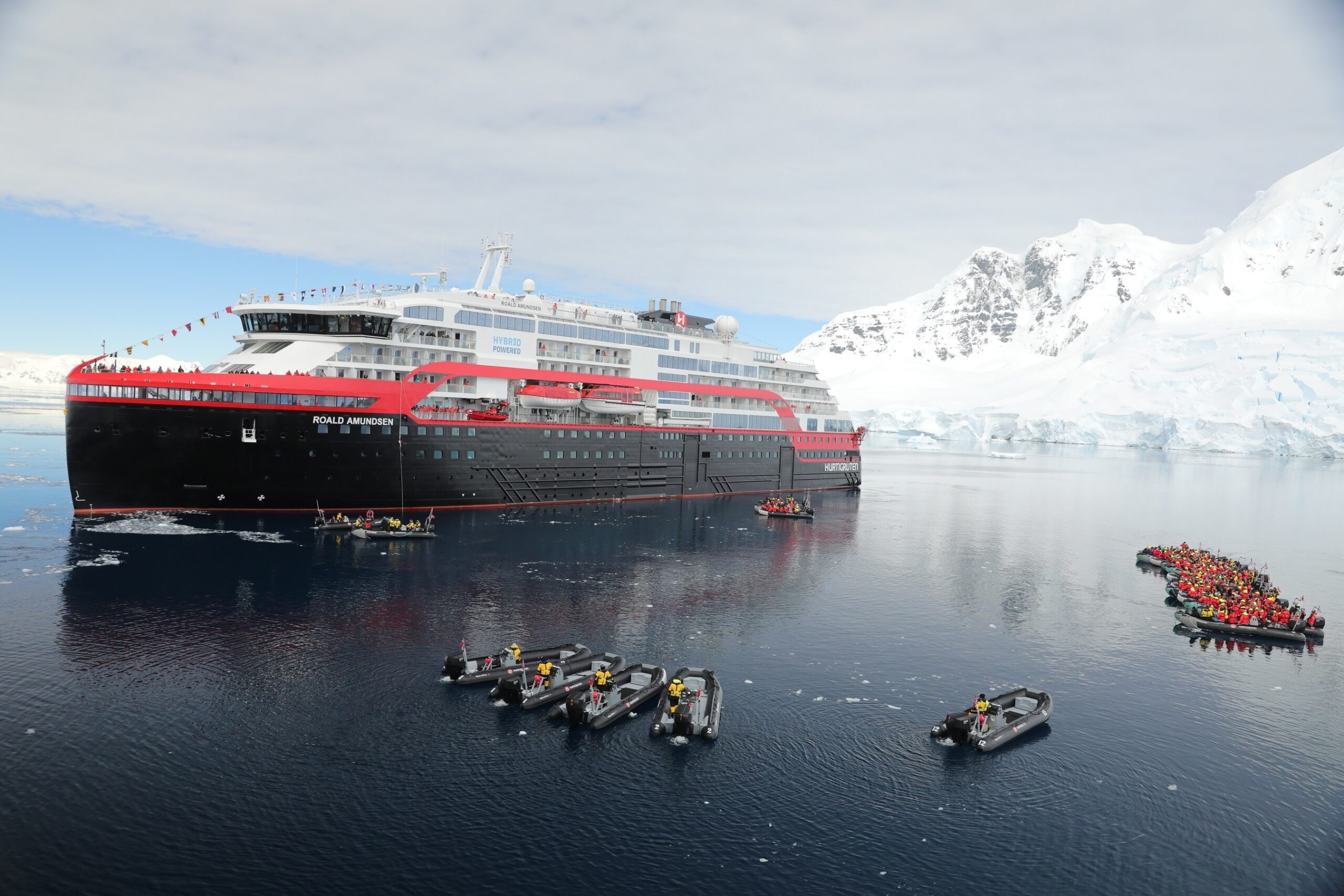
Hurtigruten is one of the pioneers in sustainable cruising. Their ships, like the MS Roald Amundsen, are powered by hybrid electric propulsion, which reduces CO2 emissions by up to 20%. These vessels also use state-of-the-art wastewater treatment systems and prohibit single-use plastics onboard.
Hurtigruten’s Arctic expeditions are specifically designed to have minimal environmental impact while providing educational experiences about polar ecosystems. Onboard scientists and environmental experts educate passengers about climate change, wildlife conservation, and sustainable tourism, enhancing the journey’s value beyond mere sightseeing.
2. Lindblad Expeditions – National Geographic Partnership Cruises
Lindblad Expeditions collaborates with National Geographic to offer low-impact voyages that double as educational experiences. Their ships are equipped with efficient engines, waste-reduction systems, and sustainable supply chains.
Lindblad’s cruises explore remote locations like the Galápagos, the Arctic, and Antarctica, all while minimizing the environmental footprint. The ships carry fewer passengers and adhere strictly to local conservation guidelines. The inclusion of onboard naturalists, photographers, and researchers ensures each voyage is informative and aligned with global conservation goals.
3. Ponant – LNG and Battery Powered Explorer Ships
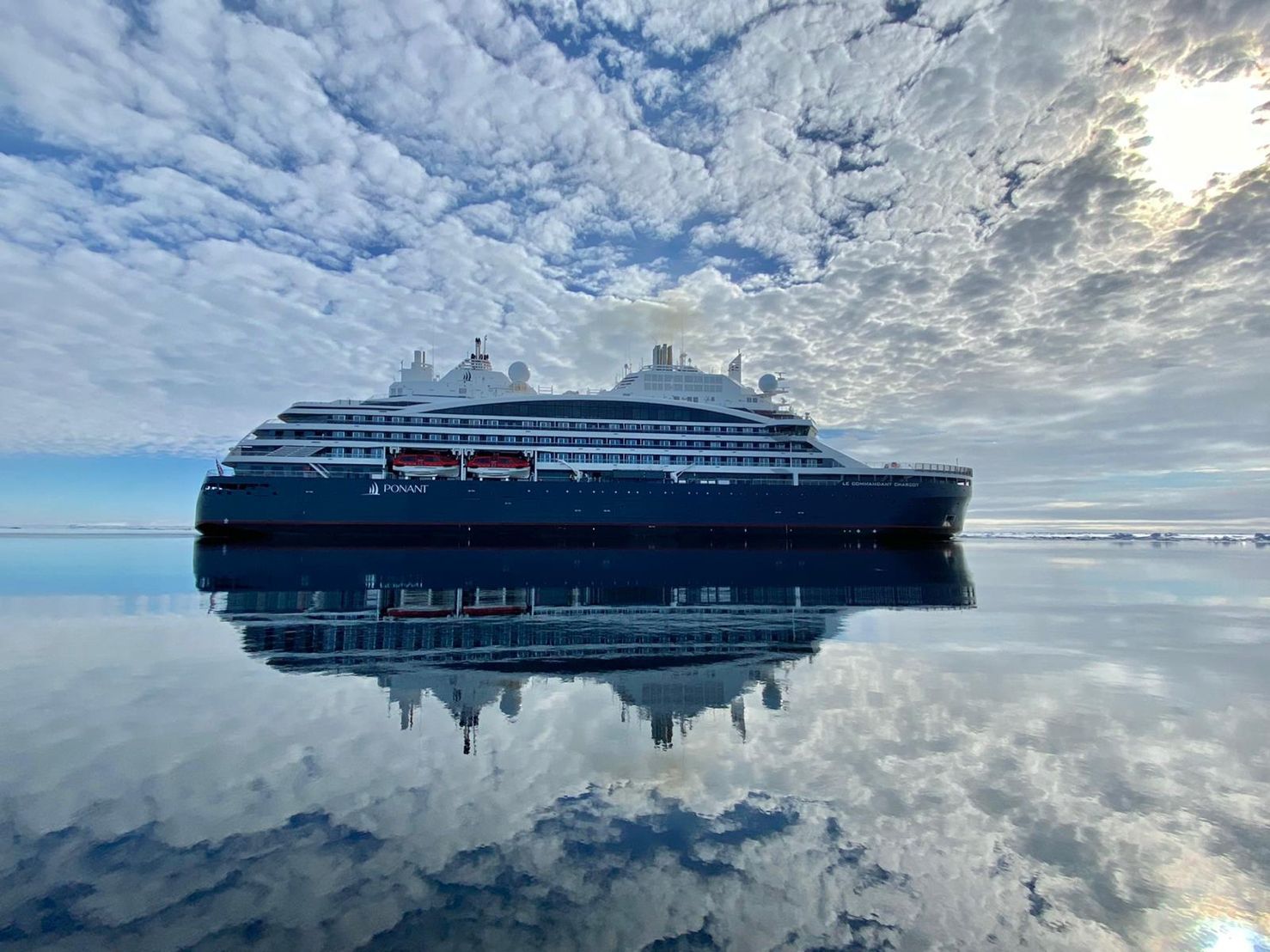
Ponant’s Le Commandant Charcot is among the first polar exploration ships to use liquefied natural gas and batteries for propulsion. This advanced technology drastically reduces emissions, especially sulfur and nitrogen oxides, making it one of the cleanest ships navigating polar regions.
The company also supports scientific missions, often hosting research teams on board. Their commitment to carbon neutrality includes investing in carbon offset programs and marine conservation projects.
4. Alaska Dream Cruises – Small Ship Local Voyages
Alaska Dream Cruises offers small-ship eco voyages along Alaska’s pristine coastline. These vessels accommodate fewer than 80 guests and operate with a strong commitment to environmental stewardship.
The company collaborates with local Indigenous communities to create culturally respectful and ecologically sustainable experiences. Their low-emission engines and locally sourced food reduce environmental impact while supporting regional economies.
5. UnCruise Adventures – Zero-Waste Focused Wilderness Cruises
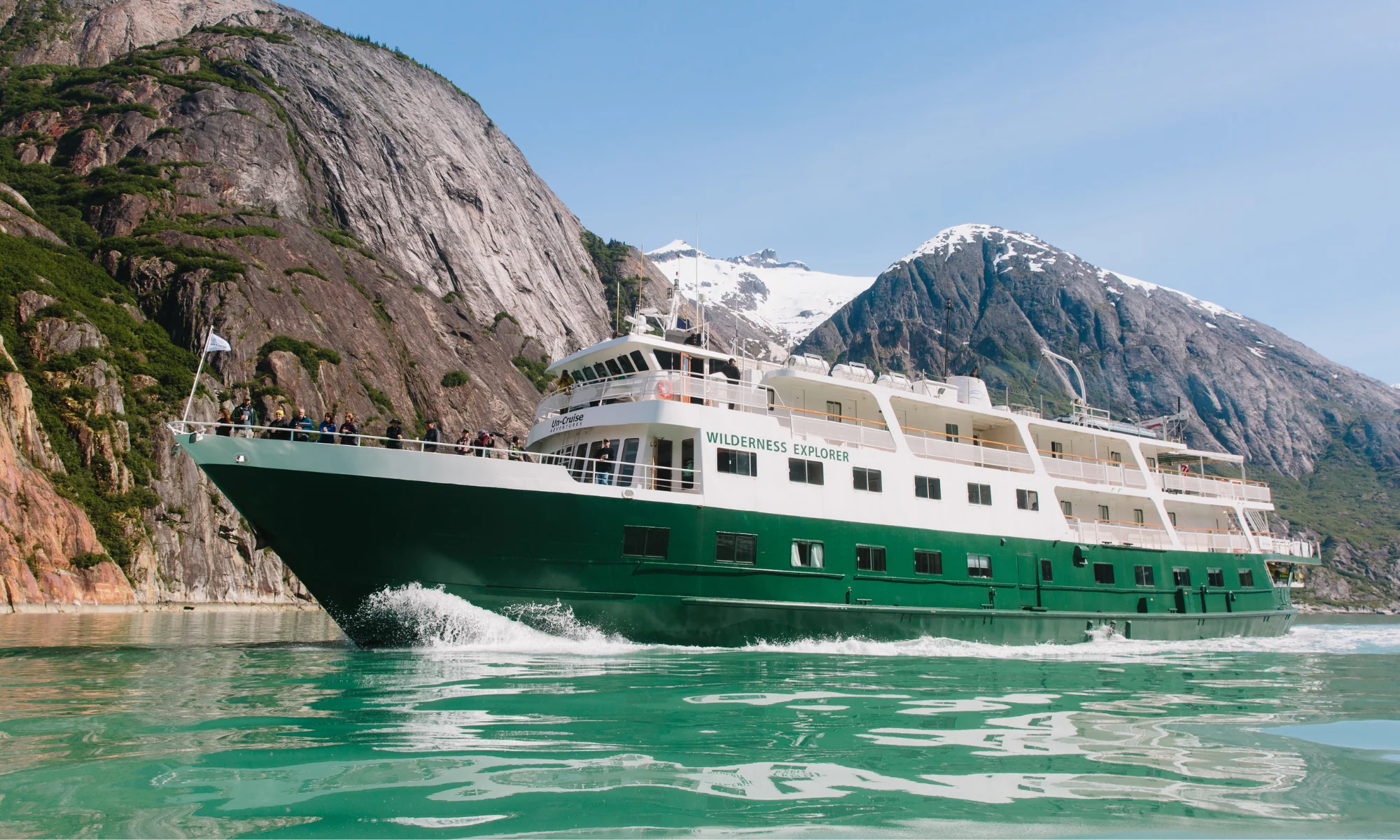
UnCruise Adventures is a leader in eco-friendly wilderness exploration, particularly in the Pacific Northwest and Alaska. Their ships emphasize zero-waste operations, using eco-friendly materials, and practicing sustainable sourcing.
They focus on low-impact, high-reward excursions, including kayaking, hiking, and wildlife viewing. The company’s mission includes community support, scientific partnerships, and educational outreach, blending adventure with environmental integrity.
Benefits of Eco Cruises Using Green Technology
Reduced Carbon Footprint and Cleaner Operations
The main technological advancement in eco cruises is hybrid and LNG propulsion systems. These reduce reliance on fossil fuels, cutting down greenhouse gas emissions and air pollutants. Unlike conventional ships, eco cruise vessels meet or exceed international environmental standards, making them safer for the atmosphere and marine ecosystems.
Wastewater treatment systems, onboard composting, and water filtration systems also help eliminate ocean discharge. This prevents contamination and preserves aquatic biodiversity. Solar panels and battery storage systems power onboard operations, reducing dependence on diesel generators.
Energy Efficiency and Sustainable Onboard Practices
LED lighting, energy-efficient HVAC systems, and advanced hull designs further improve energy efficiency. These ships optimize fuel consumption while maintaining luxury and comfort. Onboard amenities, such as sustainable dining, eliminate plastic packaging, and emphasize organic, locally sourced food.
Eco cruises also integrate smart water management systems to reduce waste and promote reuse. Water desalination systems onboard convert seawater into fresh water, reducing pressure on port facilities.
Use Cases: Why Eco Cruises Matter in Real Life
Addressing Climate Anxiety Through Responsible Travel
Travelers increasingly want their adventures to reflect their values. Eco cruises offer a way to explore the world without contributing to its degradation. For environmentally conscious individuals, these cruises provide peace of mind by aligning with their ethics.
Participating in low-impact travel helps reduce feelings of climate guilt and encourages continued advocacy for sustainability. It also educates travelers, turning them into ambassadors for change.
Supporting Local Communities and Ecosystems
Eco cruises often support local conservation initiatives and invest in sustainable tourism programs. By traveling with these operators, guests directly contribute to community-led environmental protection efforts. The economic benefits stay within the local population, enhancing livelihoods without compromising natural resources.
This is especially vital in remote or fragile environments like the Galápagos, Antarctica, or Indigenous regions of Alaska, where responsible tourism helps protect biodiversity and preserve cultural heritage.
Enabling Scientific Research and Environmental Education
Some eco cruises serve as mobile platforms for scientific research. Passengers often witness data collection in action or join citizen science projects. These experiences make science more accessible and underscore the importance of preserving our natural world.
Educational lectures and hands-on workshops are common onboard, helping passengers understand the global environmental crisis and inspiring them to take meaningful action.
Frequently Asked Questions (FAQ)
Q1. What is the difference between an eco cruise and a traditional cruise?
An eco cruise emphasizes sustainability by using clean energy, reducing waste, supporting local communities, and minimizing environmental impact. Traditional cruises often rely on heavy fuel oil and have larger environmental footprints due to their size, emissions, and waste disposal practices.
Q2. Are eco cruises more expensive than regular cruises?
Eco cruises can be slightly more expensive due to smaller ships, advanced technology, and sustainable operations. Eco Cruises with Low Environmental Impact. However, the cost includes value-added experiences like expert-led education, unique access to fragile ecosystems, and ethical travel practices. Many travelers find the investment worthwhile for the positive impact.
Q3. Do eco cruises still offer luxury and comfort?
Yes, eco cruises often match or exceed traditional cruises in comfort. Many feature luxurious cabins, gourmet sustainable cuisine, wellness centers, and personalized service. The difference lies in how these services are delivered—with respect for the planet and local cultures.