As the global awareness of environmental sustainability continues to rise, travelers are increasingly turning to eco-friendly travel gear essentials that reduce waste, minimize carbon footprints, and support ethical practices. Whether you’re backpacking through mountains, staying in boutique hotels, or embarking on a long-haul road trip, having the right sustainable gear is key to ensuring your journey leaves a lighter footprint.
This comprehensive guide explores what qualifies as eco-friendly gear, how technology enhances sustainability, and real-world products that make a difference. You’ll also find practical benefits, problem-solving use cases, and expert insight into making your travels greener — without compromising convenience or comfort.
What Are Eco-Friendly Travel Gear Essentials?
Eco-friendly travel gear refers to products designed with sustainability in mind — made from recycled, biodegradable, or ethically sourced materials, and engineered to reduce environmental impact. These items aim to replace single-use plastics, minimize energy or resource consumption, and often come from brands with strong ethical and environmental commitments.
From reusable toiletry kits to solar-powered chargers, eco-friendly gear helps travelers tread lightly. Essentials go beyond just saving waste — they integrate into daily travel routines, offering long-term use, multifunctionality, and often enhanced portability.
Choosing such gear isn’t just about personal benefit — it’s a conscious choice that contributes to global efforts in reducing waste, promoting sustainability, and supporting companies committed to environmental ethics.
Benefits of Eco-Friendly Travel Gear Using Technology
Today’s eco-conscious travelers benefit immensely from the intersection of sustainability and smart technology. Tech-enhanced gear doesn’t just help the environment — it improves the travel experience in practical ways.
Renewable Energy Integration
Solar-powered gadgets like chargers and lanterns allow travelers to power devices without relying on grid electricity or disposable batteries. These items are especially useful for campers, hikers, or those exploring remote areas.
Solar panels have become lighter, foldable, and highly efficient, making it easier to keep your devices charged using clean, renewable energy — even on cloudy days. This significantly reduces the need for electricity produced by fossil fuels.
Water Purification Innovation
Advanced portable water purifiers now use UV light or carbon filters to clean water without chemicals or single-use plastic bottles. Many can process liters in minutes, saving hundreds of plastic bottles during the course of a single trip.
This technology not only reduces waste but also enhances health and safety, especially when traveling to regions with questionable water quality.
Smart Packing Solutions
Modern eco-travel gear often includes modular or collapsible designs that reduce space and encourage minimalist packing. Smart storage bags, compression systems, and vacuum-seal travel organizers help you carry less while doing more — all made from recycled or upcycled materials.
These innovations make travel more convenient, especially for long-term or nomadic travelers who prioritize lightweight, durable gear.
Real-World Eco-Friendly Travel Gear Essentials
Here are several standout products that exemplify eco-friendly design and practical use. These items are widely regarded as essential for sustainable travelers.
1. GRAYL UltraPress Water Purifier
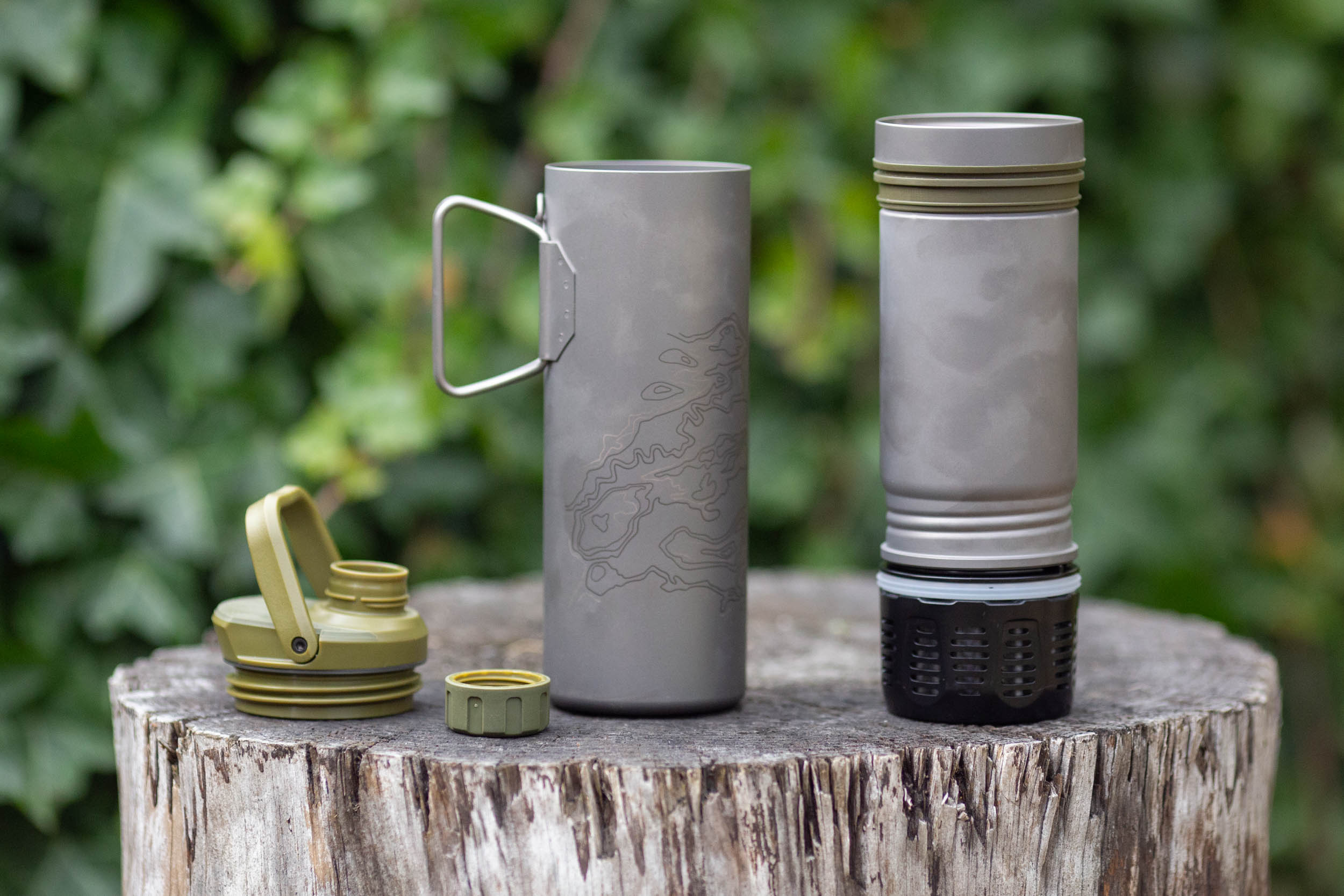
The GRAYL UltraPress is a compact water filtration bottle that removes bacteria, viruses, and heavy metals from almost any water source.
Ideal for international travel, trekking, or camping, this bottle eliminates the need to purchase bottled water. With each use, it reduces plastic waste and ensures safe hydration. Its replaceable filter can last for hundreds of uses, making it both a cost-effective and eco-conscious choice.
2. Lifestraw Personal Filter
The Lifestraw is a lightweight, portable water filtration straw that allows travelers to drink directly from lakes, rivers, or taps.
Perfect for hikers, adventure travelers, or those visiting rural areas, Lifestraw filters up to 1,000 gallons of contaminated water without iodine, chlorine, or other chemicals. It’s one of the simplest and most efficient tools for reducing bottled water waste on the go.
3. Solgaard Carry-On Closet Suitcase
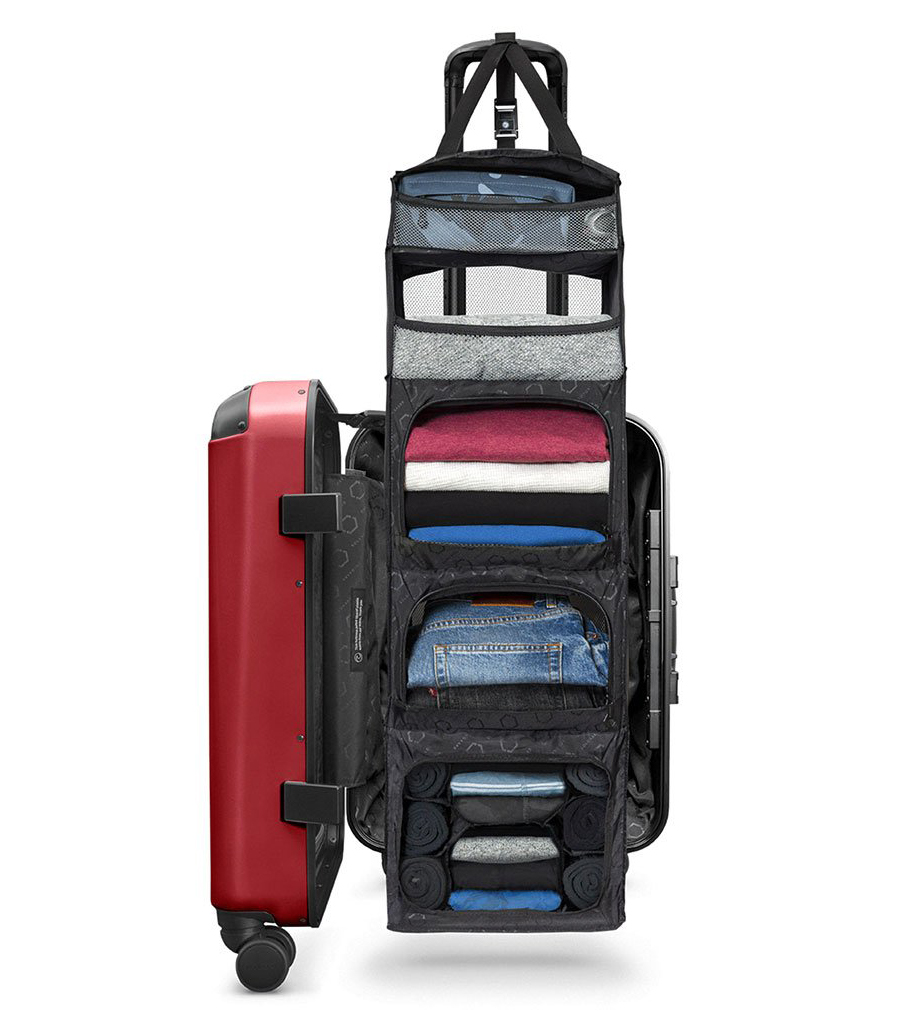
This innovative suitcase is made from recycled ocean-bound plastic and features a built-in shelving system that helps travelers stay organized without additional packing cubes.
Aside from its sustainable material construction, the Carry-On Closet encourages thoughtful packing and minimizes overpacking. Its sturdy design and innovative features make it ideal for both short and extended trips.
4. Nimble Champ Solar Power Bank
Nimble creates portable power banks using recycled aluminum and biodegradable materials, and the Champ model is a compact solar-powered unit that supports fast charging.
This device ensures you can charge phones and tablets without relying on carbon-heavy grid electricity. With built-in solar panels, it’s perfect for remote travel, camping, or disaster preparedness — all while being built with environmental responsibility.
5. Matador Packable Reusable Toiletry Bottles
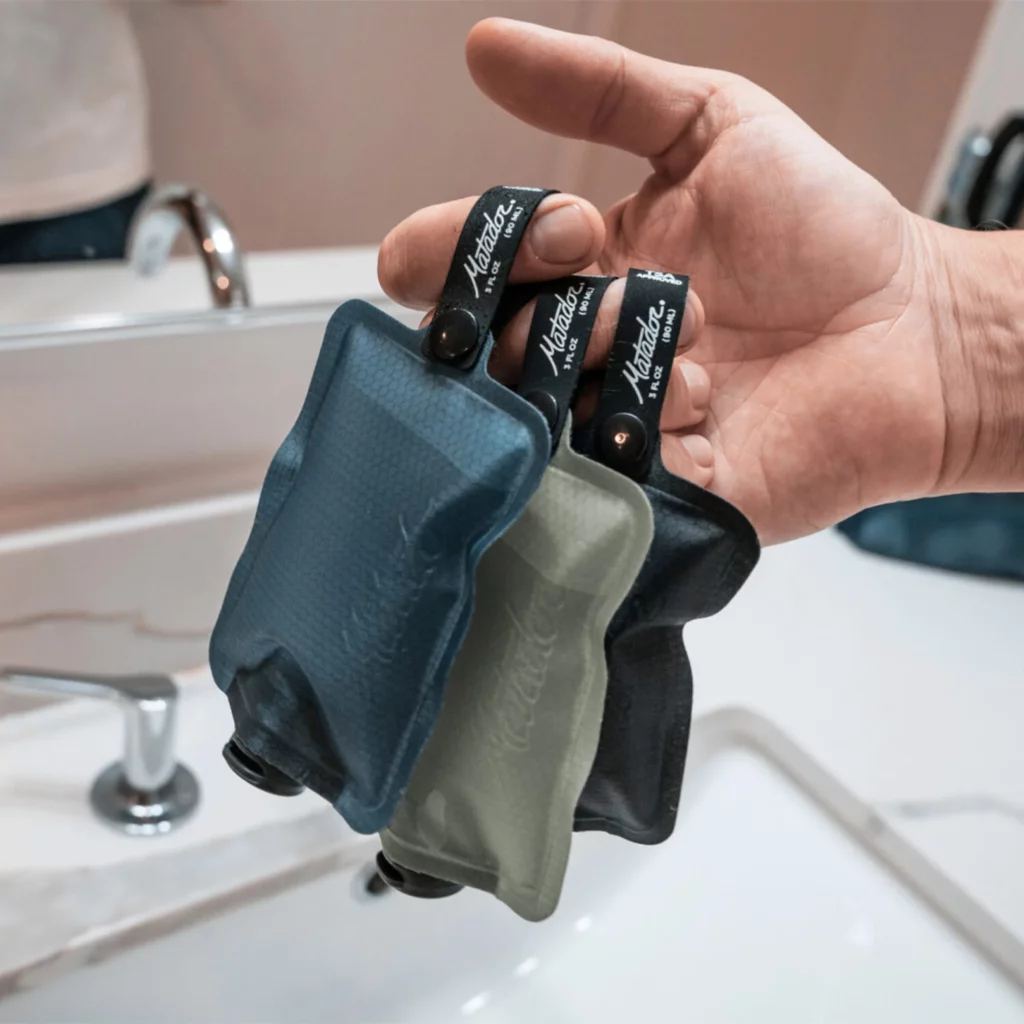
Matador’s reusable silicone toiletry containers are designed for frequent travelers looking to avoid single-use hotel toiletries or plastic packaging.
Made from BPA-free silicone and designed to withstand repeated use, these bottles reduce the need for disposable travel-size products. They’re compact, leak-proof, and come in a roll-top dry bag that adds waterproof protection.
Practical Advantages of Eco-Friendly Travel Gear
Investing in sustainable travel products comes with significant long-term advantages, beyond just helping the planet.
Durability and Reliability
Many eco-friendly products are made from high-quality materials like recycled aluminum, stainless steel, or durable silicone. This ensures they last longer, reducing the need for frequent replacements — a cost-saving and waste-reducing benefit.
Multipurpose Use
Sustainable gear often serves more than one function. A collapsible container may act as both a meal box and a storage bin. A solar-powered device might work as a flashlight and phone charger. This helps reduce the number of items you carry, promoting minimalist travel.
Health and Safety
Many plastic alternatives avoid toxins like BPA, phthalates, and PVCs. Using eco-friendly gear also reduces reliance on shared hotel items or questionable bottled water, ensuring better personal hygiene and safety during your journey.
Ethical Brand Support
Purchasing eco-travel gear often means supporting companies committed to fair labor practices, carbon offsetting, and transparent sustainability goals. This contributes to a larger shift in global production ethics.
Use Cases: How Eco-Friendly Travel Gear Solves Real Problems

Understanding the problems that sustainable gear addresses highlights its essential nature in modern travel.
Problem: Single-Use Plastic Reliance
Whether it’s water bottles, shampoo containers, or food packaging, plastic use adds up quickly during travel. Eco gear like refillable bottles, beeswax wraps, and toiletry kits eliminates hundreds of single-use items per trip.
Problem: Limited Access to Clean Water
In many regions, travelers depend on bottled water due to unsafe tap sources. Water purifiers like GRAYL or Lifestraw provide clean, safe drinking water without plastic waste.
Problem: Lack of Renewable Energy Access
From remote villages to long flights, charging electronics can be challenging. Solar-powered chargers and power banks allow travelers to maintain digital access without relying on traditional electricity.
Problem: Unorganized or Wasteful Packing
Overpacking or carrying unnecessary items adds to fuel costs and personal burden. Sustainable gear like the Solgaard Carry-On Closet or compression cubes helps travelers organize efficiently, using recycled materials to reduce their carbon footprint.
Problem: Health Risks from Shared Items
Hotel toiletries or public water sources often pose hygiene issues. Bringing your own eco-friendly, reusable gear ensures control over what you use, improving safety and reducing waste.
How to Embrace Eco-Conscious Travel Habits
Owning the gear is one part — knowing how to use it properly is key to making an actual difference.
-
Refill Rather Than Replace: Use refillable toiletry kits and bottles during your trip, avoiding the temptation of single-use travel-size products.
-
Pack Light, Pack Smart: Combine eco-gear that serves multiple purposes and promotes minimalism, reducing emissions from heavy luggage.
-
Support Local, Sustainable Brands: While traveling, seek out local shops and artisans who follow eco-friendly production practices.
-
Educate and Influence: Share your knowledge with fellow travelers. A recommendation or conversation can lead to wider adoption of sustainable habits.
Frequently Asked Questions
Q1. What makes a travel product eco-friendly?
Eco-friendly travel gear is made using sustainable or recycled materials, is designed for long-term use, and reduces environmental impact during production and usage. Eco-Friendly Travel Gear Essentials. Brands that follow ethical labor practices and offer carbon-neutral shipping further enhance a product’s sustainability.
Q2. Is eco-friendly gear more expensive?
While initial costs may be higher, these products typically last much longer than cheaper alternatives. The durability, reduced need for replacements, and waste-saving benefits often make eco-gear more cost-effective in the long run.
Q3. Can eco-friendly travel gear be used for all types of trips?
Yes. From weekend getaways to international adventures, sustainable travel gear adapts to all types of travel. The key is selecting items that align with your travel style, destination, and environmental goals.