Eco-retreats are no longer just a vacation escape. For today’s digital nomads—who seek productivity, sustainability, and wellbeing—eco-retreats have become long-term solutions for living and working in harmony with nature. In this article, we explore what eco-retreats for digital nomads are, why they matter in 2025, and which standout locations offer the best blend of connectivity and eco-conscious living.
What Are Eco-Retreats for Digital Nomads?
Eco-retreats for digital nomads are environmentally sustainable accommodations or communities designed to provide remote workers with the tools to live and work in a green, low-impact environment. These retreats prioritize ecological practices such as renewable energy, zero-waste policies, organic food sourcing, and minimalistic living—all while offering high-speed internet, coworking spaces, and modern amenities required by digital professionals.
Typically nestled in scenic locations like forests, jungles, mountains, or coastal areas, these retreats allow digital nomads to integrate wellness and nature into their daily routines. They offer a break from the overstimulation of urban life while maintaining the digital connectivity needed for work.
Why Eco-Retreats Are a Growing Trend in 2025
With the global rise in climate awareness and the shift toward remote work, 2025 has seen a major increase in demand for sustainable living options. Digital nomads—often seen as early adopters—are now leading this shift by choosing eco-retreats over traditional coworking hostels or short-term rentals.
Eco-retreats offer a unique value proposition:
-
They reduce environmental impact.
-
They offer immersion in nature to reduce stress.
-
They support local, sustainable communities.
-
They enable deep work by limiting distractions.
-
They provide access to a like-minded community focused on well-being and conscious living.
This convergence of lifestyle, work, and sustainability reflects a larger societal shift: remote work is no longer about convenience—it’s about conscious living.
Key Benefits of Living in Eco-Retreats as a Digital Nomad
Mental and Physical Well-being
Living close to nature has been scientifically proven to reduce anxiety, improve focus, and increase creative output. Eco-retreats place you in settings that allow for daily walks in the forest, yoga on the beach, or meditation in quiet mountain cabins.
Community and Networking
Eco-retreats often bring together like-minded individuals—from startup founders to writers to remote software engineers. The communal vibe leads to organic collaboration and deep friendships, something that’s often missing from solo travel.
Sustainability and Low Environmental Impact
These retreats run on renewable energy, emphasize minimal waste, and use eco-friendly materials. By staying in one, you’re actively reducing your carbon footprint while supporting sustainable tourism.
Reliable Digital Infrastructure
Despite being remote, most eco-retreats in 2025 are equipped with high-speed internet, solar-powered coworking spaces, and backup systems—ensuring productivity is never compromised.
Real-World Examples of Eco-Retreats for Digital Nomads
1. Outpost Ubud, Bali (Indonesia)
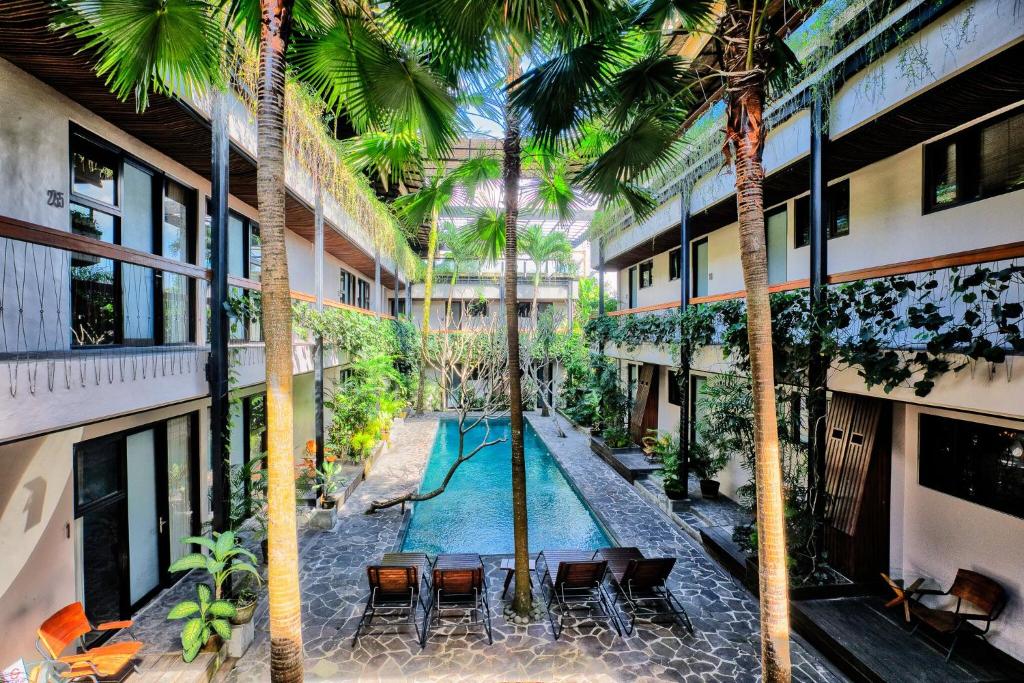
Outpost Ubud is an eco-conscious coworking and coliving space nestled in the lush greenery of Bali. It blends Balinese culture, lush rice paddies, and modern amenities tailored for digital nomads. The retreat uses solar power, composts organic waste, and sources food from local organic farms.
Residents can choose between riverside private rooms or jungle-facing dorms. What sets Outpost apart is its robust community events: from coding workshops to sustainability panels. Internet speeds average 100 Mbps, making it ideal for virtual teams and creators.
2. Black Cabin Retreat, Tulum (Mexico)
Black Cabin offers a minimalist yet luxurious experience in the heart of Tulum’s jungle. With cabins built from sustainable bamboo and wood, powered by solar panels, and cooled using passive airflow design, this retreat merges comfort with sustainability.
Each cabin has a private workspace, a composting toilet, and eco-shower systems. There’s a communal kitchen, rooftop coworking zone, and hammocks under the trees—perfect for unwinding after work.
3. Anceu Coliving, Galicia (Spain)
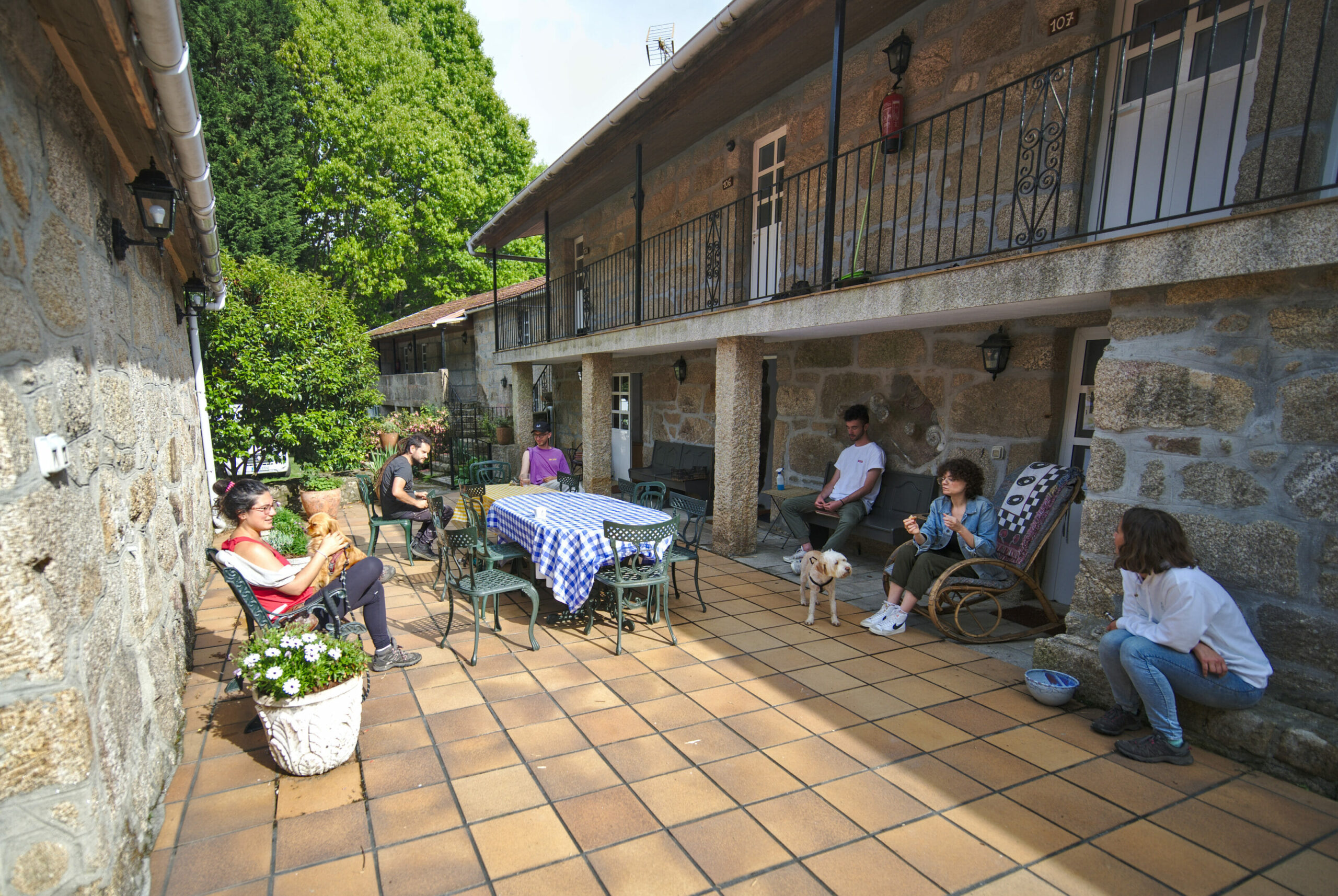
This remote village in Galicia was brought back to life with Anceu Coliving—a rural eco-village transformed into a vibrant space for digital creatives. The retreat operates on solar and wind power, harvests rainwater, and maintains a permaculture garden.
The setting promotes focused work during the day and social bonding at night. Workshops range from coding sprints to organic farming, reflecting its values of balance between tech and nature.
4. Ecovillage Bansko, Bansko (Bulgaria)
Set at the foot of the Pirin Mountains, this retreat offers a slower pace of life with access to high-speed fiber internet. It focuses on permaculture, renewable energy, and sustainable architecture. The retreat is popular among EU-based nomads for its affordability and stunning Alpine landscapes.
Coworking spaces are built with natural materials and heated with biomass systems. The retreat often hosts bootcamps on sustainable development and digital entrepreneurship.
5. Mana Earthly Paradise, Ubud (Indonesia)
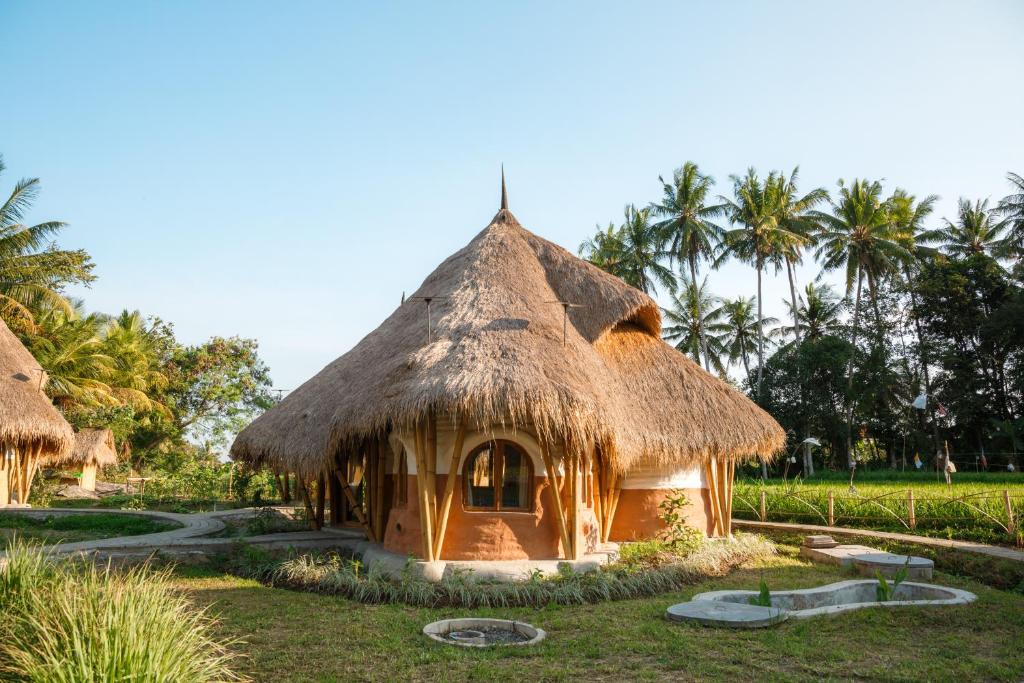
Mana Earthly Paradise offers villas made from recycled shipping containers and upcycled wood. It runs entirely on solar power and uses filtered rainwater systems. The on-site vegan café, jungle yoga deck, and open coworking lounge create a balance between productivity and wellness.
Mana partners with local NGOs to promote eco-education, making your stay more than just sustainable—it’s transformative.
How Technology Enhances the Eco-Retreat Experience
Smart Energy Monitoring
Most modern eco-retreats use IoT-based systems to manage electricity and water consumption in real time. These systems ensure minimal wastage and allow remote tracking of energy usage.
Remote Work Infrastructure
High-speed satellite internet, cloud-based collaboration tools, and solar-powered routers make it easy to work from any part of the world. Some retreats even offer dedicated Zoom pods and soundproof booths.
Community Management Platforms
Apps like Slack or custom community platforms are used internally to organize workshops, meals, events, and transport. They help nomads stay connected and engaged even in off-grid areas.
Eco-tech Innovation
Some retreats use greywater recycling, AI-powered composting units, and climate-resilient architectural designs. These technologies make sustainable living scalable and replicable across the globe.
Practical Use Cases for Eco-Retreats
Solopreneurs and Creatives Seeking Focus
The absence of city noise and the presence of natural serenity create the perfect environment for writers, designers, and coders. Eco-retreats encourage deep work—a practice often disrupted in urban coworking cafes.
Remote Teams Running Offsite Retreats
Eco-retreats are ideal for distributed teams looking to meet in real life. With on-site accommodations and open collaboration spaces, they can host workshops, brainstorming sessions, and team-building exercises.
Burnout Recovery for Digital Workers
Burnout is a common issue among digital nomads. The immersive natural settings of eco-retreats support holistic healing practices—from forest bathing to mindfulness meditation—which can significantly improve mental health.
Climate-Conscious Digital Nomads
Many remote workers are actively choosing eco-lifestyles. Staying at these retreats aligns with their values and allows them to support ethical tourism without compromising work quality.
Frequently Asked Questions (FAQ)
Q1. What makes an eco-retreat suitable for digital nomads?
A suitable eco-retreat should offer reliable internet, work-friendly spaces, and modern amenities alongside sustainable living practices. Features like solar power, organic food sourcing, and community events make them appealing for remote professionals.
Q2. Are eco-retreats more expensive than traditional accommodations?
Not always. While some premium eco-retreats charge higher rates for their amenities, many offer affordable long-term packages. Additionally, you’re saving on utilities, food waste, and urban commuting costs—making the experience valuable overall.
Q3. Can I stay long-term at an eco-retreat as a digital nomad?
Yes. Many eco-retreats offer monthly or seasonal stays and are designed with long-term living in mind. They usually provide everything you need for work and life—including kitchens, coworking spaces, and community activities.