As global awareness of animal welfare and environmental conservation continues to grow, ethical wildlife tourism experiences are becoming essential for responsible travelers. These experiences offer the chance to observe wildlife in their natural habitats without causing harm or exploitation. From protected nature reserves to hands-off sanctuaries, ethical wildlife tourism is reshaping the travel industry into one that aligns with sustainability, empathy, and education.
This article explores the concept of ethical wildlife tourism in depth, covering the principles behind it, its real-world applications, technologies that support it, and compelling examples across the globe.
What Is Ethical Wildlife Tourism?
Ethical wildlife tourism refers to travel experiences that prioritize animal welfare, environmental sustainability, and local community engagement. Unlike traditional wildlife tourism—which may include unethical practices like riding elephants, posing with drugged animals, or feeding predators—ethical tourism emphasizes non-invasive, educational, and conservation-focused activities.
These experiences usually involve:
-
Observing animals from a safe distance in the wild
-
Visiting sanctuaries that rehabilitate and release wildlife
-
Supporting conservation projects that protect endangered species
-
Engaging with local communities in a way that respects their culture and livelihoods
The overarching goal is to allow travelers to connect with wildlife without disturbing natural behaviors or habitats.
Why Ethical Wildlife Tourism Is Vital for Conservation
The tourism industry has historically played a double-edged role in wildlife conservation. While tourism brings in funding for conservation and community development, unethical practices can lead to severe harm—both to animals and ecosystems.
Ethical wildlife tourism seeks to correct this imbalance by focusing on long-term sustainability rather than short-term entertainment. Properly managed ethical tours often contribute to:
-
Wildlife monitoring and habitat preservation
-
Anti-poaching efforts and ranger training
-
Community development and education
-
Reducing human-wildlife conflict
When done right, this form of tourism supports both conservation and economic empowerment, creating a win-win model for people and the planet.
Benefits of Technology in Ethical Wildlife Tourism
Real-Time Wildlife Monitoring and Protection
Technological advancements such as GPS tracking, camera traps, and drone surveillance are increasingly used in ethical wildlife tourism to monitor animal movements and ensure visitor safety. These tools allow researchers and tour operators to keep a respectful distance from wildlife while collecting valuable data.
For example, drones help monitor elephants and rhinos in open plains without needing to physically approach them. This protects the animals from stress while providing tourists with real-time observation through remote video feeds.
Booking Transparency and Wildlife Impact Reports
Ethical wildlife experiences often use platforms that provide detailed impact reports, showing how each trip contributes to conservation. Advanced booking systems highlight the company’s sustainability initiatives, animal welfare policies, and certifications like Global Sustainable Tourism Council (GSTC) or ABTA Animal Welfare Guidelines.
These technologies empower travelers to make informed choices and ensure that their participation truly supports ethical initiatives.
Real-World Examples of Ethical Wildlife Tourism Experiences
1. Jane Goodall Institute – Chimpanzee Tracking in Uganda

Partnering with local authorities, the Jane Goodall Institute offers ethical chimpanzee trekking in Kibale National Park. Treks are led by licensed guides who teach visitors about chimpanzee behavior, habitat threats, and conservation efforts.
What makes this experience ethical is its strict group size limit, no-contact policy, and significant investment in local education and ranger salaries. The fees directly support forest conservation and the local communities that live around the park.
2. Elephant Nature Park – Chiang Mai, Thailand
A sanctuary rather than a zoo, Elephant Nature Park rescues elephants from logging, street begging, and abusive tourism. Tourists can observe elephants roaming freely, bathe them in the river, and help prepare their food—all under the guidance of mahouts who use positive reinforcement rather than punishment.
This park does not allow elephant rides or circus-style performances. Instead, it educates visitors on elephant behavior and the consequences of exploitative tourism, setting a gold standard for ethical elephant encounters in Asia.
3. Great Bear Rainforest Tours – British Columbia, Canada

These boat-based ecotours allow guests to observe grizzly bears, spirit bears, and marine wildlife in the lush wilderness of the Pacific Northwest. Tours are operated by Indigenous communities like the Kitasoo/Xai’xais Nation, who offer cultural storytelling and conservation education as part of the journey.
Strict environmental rules are enforced to minimize disturbance to animals. Visitors learn about the region’s complex ecosystem and help fund local stewardship programs that protect forest and coastal species.
4. Okonjima Nature Reserve – Namibia
Home to the AfriCat Foundation, Okonjima offers guided safaris to track and observe rescued leopards, cheetahs, and hyenas. The reserve focuses on rehabilitating carnivores that were orphaned or involved in human-wildlife conflict.
Each visit supports conservation through tracking collars, veterinary care, and educational outreach to surrounding communities. Their transparent approach—including updates about individual animals—makes it an ideal model for ethical big cat tourism.
5. Whale Watching with Elding – Reykjavik, Iceland
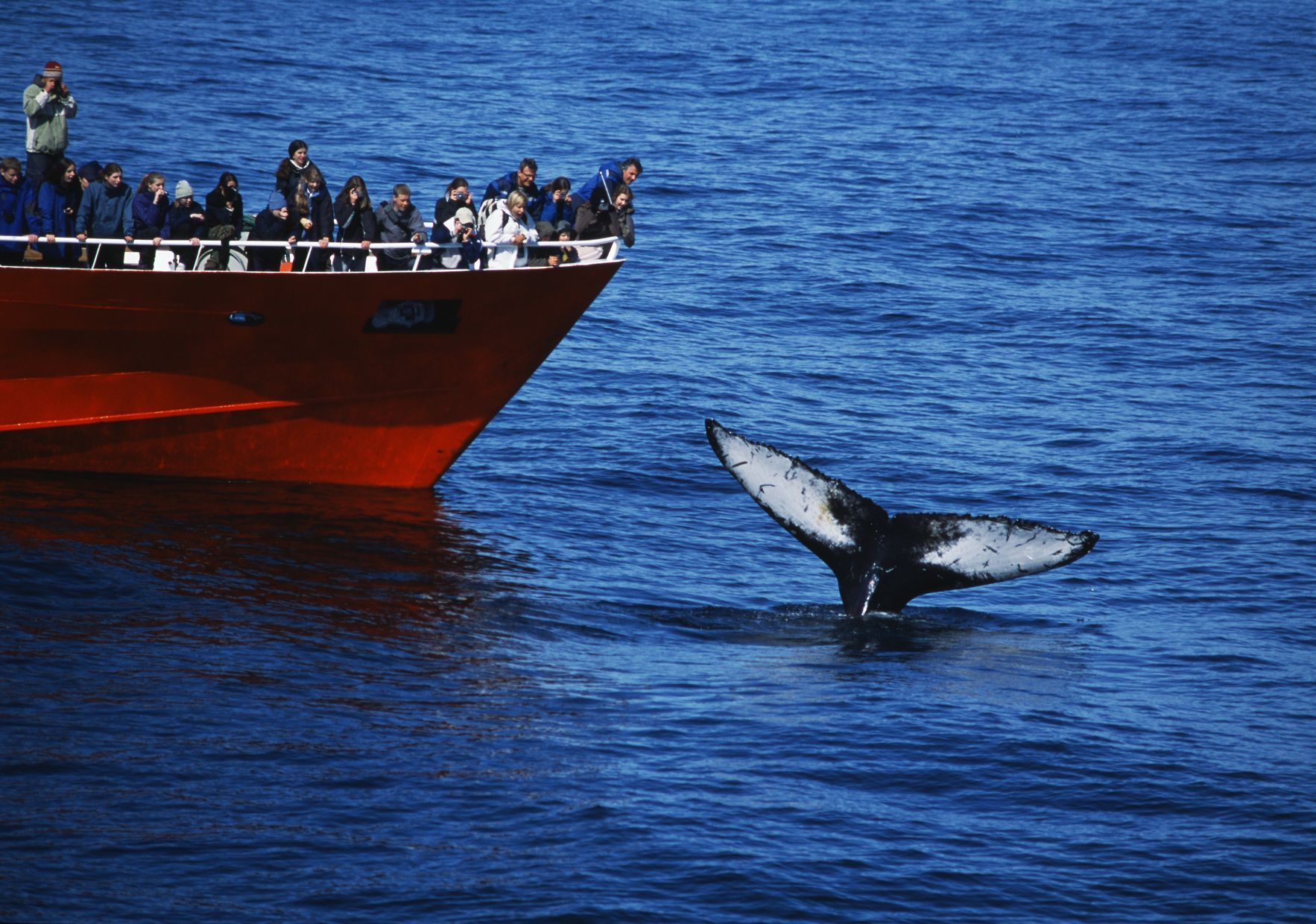
Unlike mass tourism whale-watching operations, Elding follows strict responsible whale-watching guidelines, maintaining safe distances and using quiet, eco-friendly vessels. Tours are led by trained marine biologists who educate participants about whale species, threats like ocean noise and plastic pollution, and ongoing conservation research.
Data collected during these tours is shared with academic institutions, making each visitor an indirect contributor to marine science.
Use Cases: How Ethical Wildlife Tourism Solves Real Problems
Combating Wildlife Exploitation in Tourism
One of the most critical roles of ethical wildlife tourism is offering alternatives to exploitative practices, such as tiger selfies, lion petting farms, and dolphin performances. By redirecting demand toward ethical experiences, these initiatives help shrink the market for abusive attractions.
For example, when tourists choose elephant sanctuaries over ride-based camps, it directly reduces the economic incentive to continue inhumane training methods like “the crush, —a brutal process used to break an elephant’s spirit.
Supporting Local Communities Through Conservation
Many ethical tourism experiences are community-owned or co-managed, meaning revenue stays local. This gives residents a financial stake in protecting their surrounding ecosystem rather than exploiting it.
In places like Namibia, Indigenous groups run successful tourism programs that fund healthcare, education, and conservation infrastructure, reducing reliance on poaching or unsustainable farming.
Preserving Endangered Species and Habitats
Ethical wildlife tourism can generate consistent funding for species preservation—often more sustainable than short-term NGO grants. Ethical Wildlife Tourism Experiences Sanctuaries and ecotourism operators reinvest profits into habitat restoration, wildlife corridors, and anti-poaching patrols.
Additionally, tourist presence (when managed responsibly) can act as a deterrent to illegal activities. In areas like the Amazon, regular ecotourism visits discourage illegal logging and wildlife trafficking due to increased visibility.
Key Advantages of Ethical Wildlife Tourism
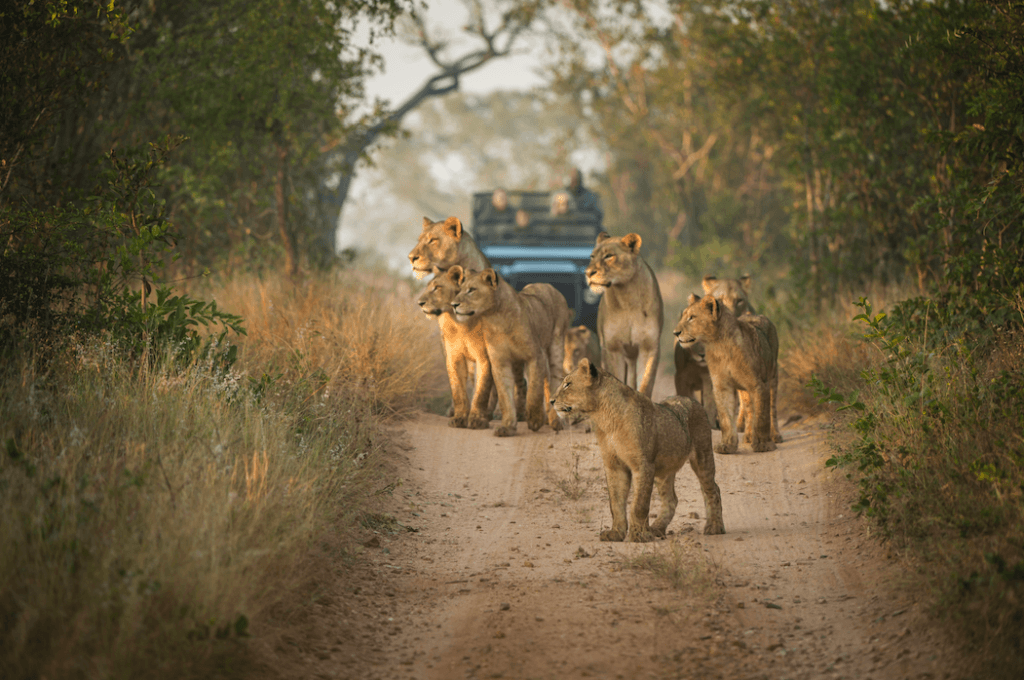
Creates Long-Term Conservation Impact
Ethical wildlife tourism supports science-based, long-term efforts to protect animals and their habitats. Whether through funding, data collection, or community empowerment, it builds a durable foundation for environmental protection.
Empowers Responsible Travel Choices
It gives travelers the tools to align their actions with their values, offering meaningful experiences that contribute to global sustainability goals rather than harm. Ethical tourism creates deeper emotional connections and lifelong respect for wildlife.
Promotes Education and Advocacy
By witnessing the fragility of ecosystems and hearing from conservationists firsthand, tourists often return home as ambassadors for wildlife protection. This ripple effect increases awareness, donations, and political support for environmental causes.
Frequently Asked Questions
Q1. What defines an ethical wildlife tourism experience?
An ethical wildlife tourism experience respects animal welfare, minimizes environmental impact, and supports local communities. It avoids hands-on interactions with wild animals, keeps natural behaviors intact, and contributes to conservation efforts rather than exploitation.
Q2. Are ethical wildlife tours safe for both humans and animals?
Yes. Ethical tours follow strict safety guidelines to protect both visitors and wildlife. Group sizes are limited, guides are professionally trained, and there is no direct interaction with dangerous or stressed animals. These measures ensure a safe, educational, and respectful experience.
Q3. How can I be sure a wildlife tour is ethical?
Look for transparency in operations. Ethical operators will openly share their conservation goals, animal welfare policies, and community partnerships. Certifications like GSTC, Wildlife Friendly Enterprise Network, or support from conservation NGOs can also signal credibility.