Traveling can be a liberating and enriching experience, but it often comes with an unfortunate environmental cost—especially when it comes to plastic waste. From disposable water bottles and single-use toiletries to plastic-packaged snacks, plastic is almost inescapable in today’s travel ecosystem. Thankfully, with proper planning and a commitment to sustainability, it’s entirely possible to travel plastic-free. This guide will walk you through everything you need to know, including real-world examples, use cases, and the tangible benefits of going plastic-free while exploring the world.
What Does Plastic-Free Travel Mean?
Traveling plastic-free means minimizing or eliminating the use of single-use plastics while on the move. This includes items like plastic straws, bags, bottles, food containers, wrappers, and personal care packaging. The goal is to replace these disposables with sustainable, reusable, or biodegradable alternatives that reduce your environmental impact.
Plastic-free travel is not just about being eco-conscious—it’s also about promoting health, reducing exposure to microplastics, and supporting local communities that prioritize sustainability. It reflects a broader shift towards conscious consumerism and environmental stewardship.
Why Plastic-Free Travel Matters More Than Ever
Plastic pollution is one of the most urgent global environmental issues. Every year, millions of tons of plastic waste end up in oceans, rivers, and landscapes. When you travel, especially in less developed regions, your plastic waste may not be disposed of properly—leading to long-lasting environmental harm.
Plastic-free travel matters because it:
-
Reduces your contribution to plastic pollution.
-
Sets a sustainable example for other travelers.
-
Encourages tourism industries to adopt greener practices.
-
Helps preserve the natural beauty of travel destinations.
-
Promotes healthier living by avoiding toxic plastic chemicals.
The good news? Technology and innovation have made it easier than ever to adopt plastic-free habits.
Best 5 How to Travel Plastic-Free
1. Reusable Water Bottles with Filtration Systems
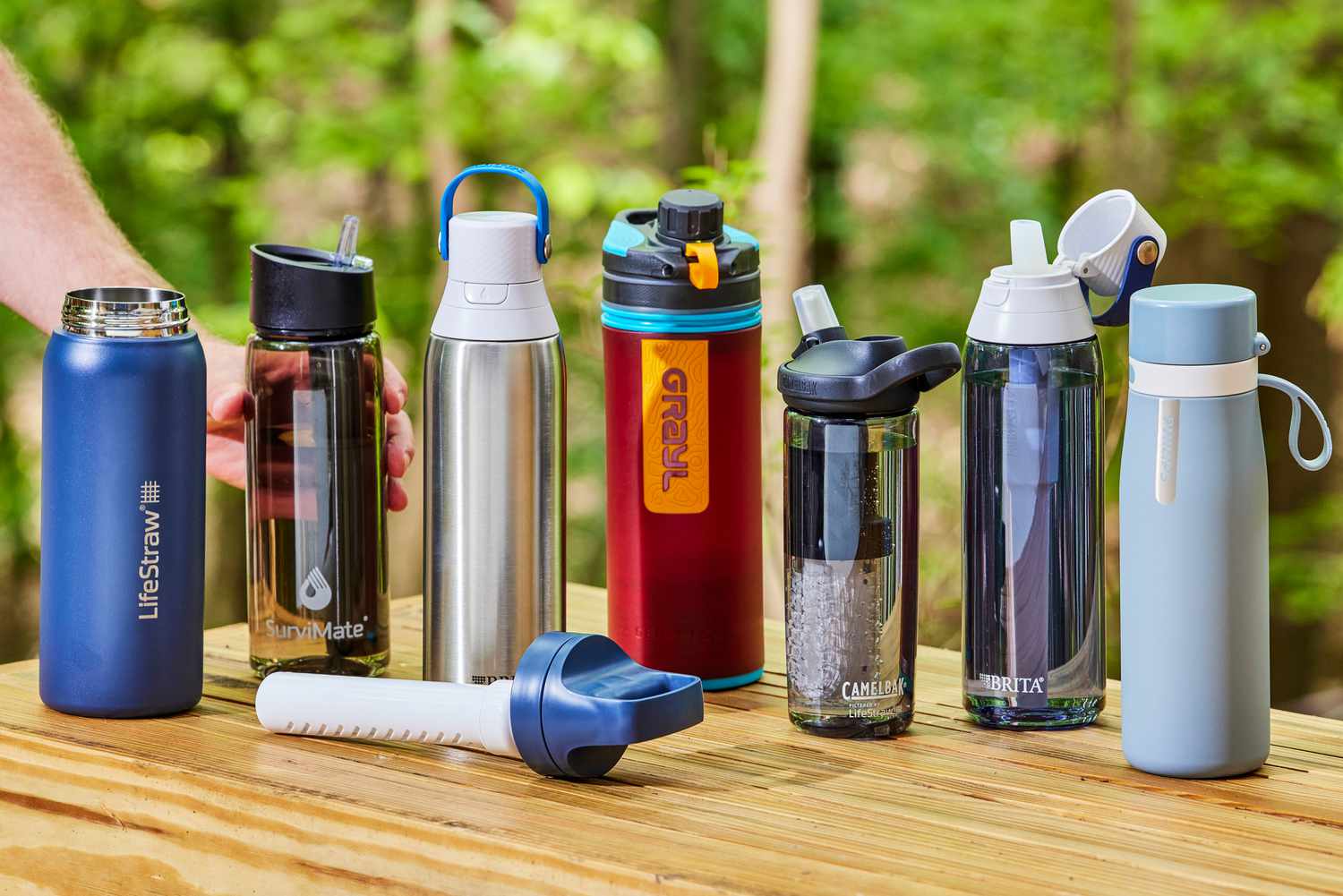
One of the most impactful swaps a traveler can make is replacing plastic water bottles with reusable bottles equipped with filtration systems. These bottles allow you to refill from almost any freshwater source without compromising safety.
For example, LifeStraw Go is a BPA-free bottle that filters over 99% of waterborne bacteria and parasites. It’s ideal for hiking, backpacking, and international travel where clean drinking water isn’t always accessible. The integrated filter lasts for hundreds of liters, significantly reducing the need for bottled water.
The Grayl GeoPress is another high-performance option that filters viruses, bacteria, and microplastics in just 8 seconds. It’s particularly useful for travelers in developing regions or on outdoor expeditions.
These bottles eliminate hundreds of plastic bottles from landfills and oceans, making them a cornerstone of sustainable travel.
2. Solid Toiletries and Personal Care Bars
Traditional travel-sized toiletries often come in plastic packaging that is used once and discarded. Switching to solid versions of shampoo, conditioner, body wash, and even toothpaste can drastically reduce your plastic footprint.
Brands like Ethique and Lush offer solid beauty bars packaged in compostable or recyclable materials. For instance, Ethique’s “Frizz Wrangler” shampoo bar is equivalent to three bottles of liquid shampoo and works well in various climates and water conditions.
Solid toothpaste tablets such as Huppy Toothpaste Tablets also come in tin or glass containers, making them airport-friendly and sustainable.
Using solid toiletries not only cuts plastic waste but also saves space in your luggage and avoids liquid restrictions during flights.
3. Reusable Utensils and Food Containers
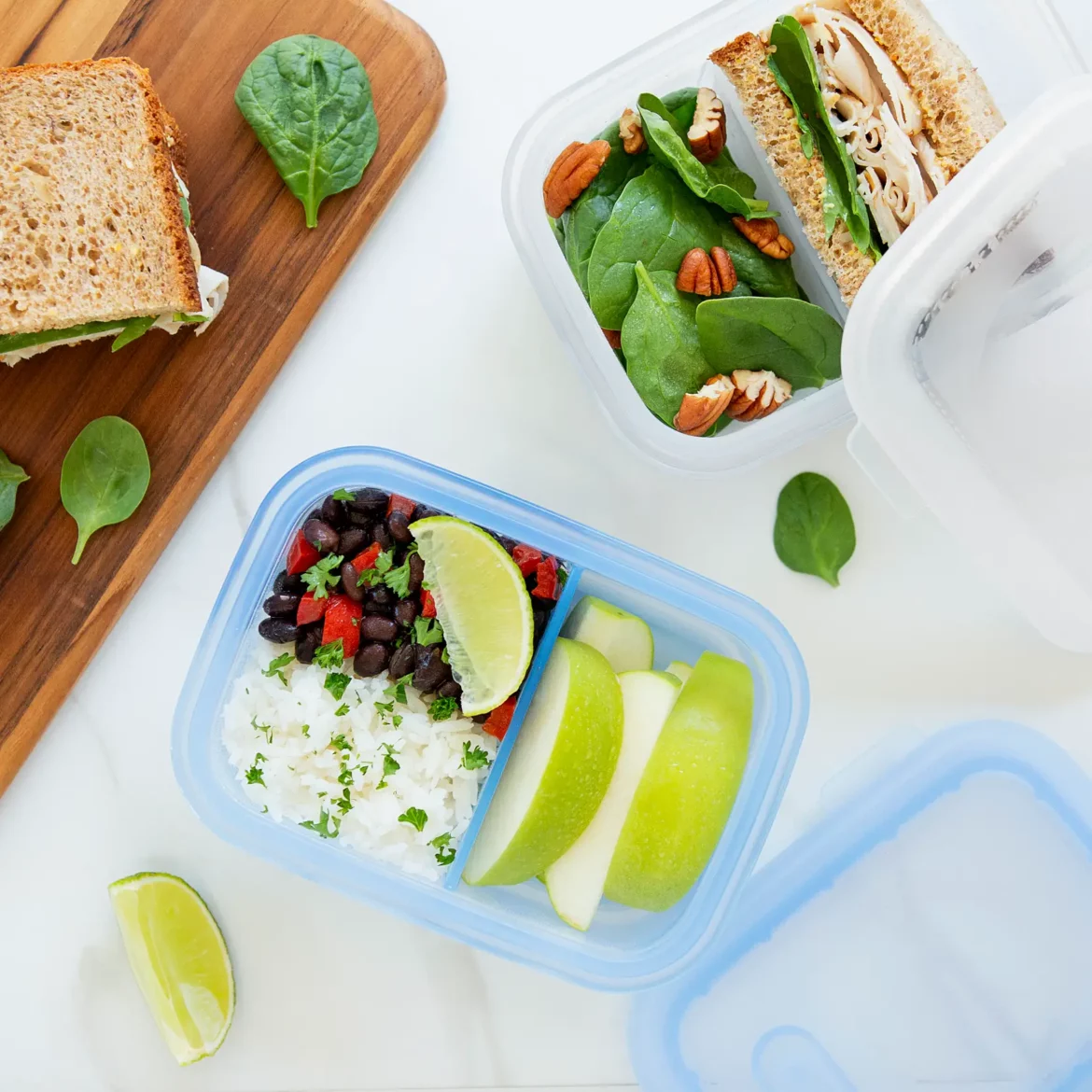
Eating on the go often leads to disposable cutlery, containers, and packaging. Investing in compact, reusable alternatives can help you dine sustainably while traveling.
The FinalStraw collapsible straw and FinalSpork are lightweight, pocket-sized options made from durable stainless steel and silicone. They’re ideal for street food markets or quick meals.
For food storage, Stasher Bags are reusable silicone bags that replace plastic zip-locks. They are perfect for carrying snacks, leftovers, or even organizing small items in your luggage.
By carrying your utensils and containers, you avoid the constant cycle of single-use plastics offered by restaurants, cafes, and vendors.
4. Beeswax Wraps and Reusable Napkins
Plastic wrap and paper napkins are standard travel conveniences, but sustainable alternatives are just as functional and far more eco-friendly.
Bee’s Wrap produces reusable food wraps made from organic cotton and beeswax. These wraps mold around food or containers using the warmth of your hands and can be reused for up to a year. They’re great for packing sandwiches, fruits, or snacks.
Reusable cloth napkins, such as those from Marley’s Monsters, can replace disposable paper towels and tissues. These compact and washable cloths reduce waste and are useful for wiping hands, wrapping food, or even cleaning up small spills during travel.
These products reduce both plastic and paper waste, especially during extended travel.
5. Eco-Friendly Travel Bags and Organizers
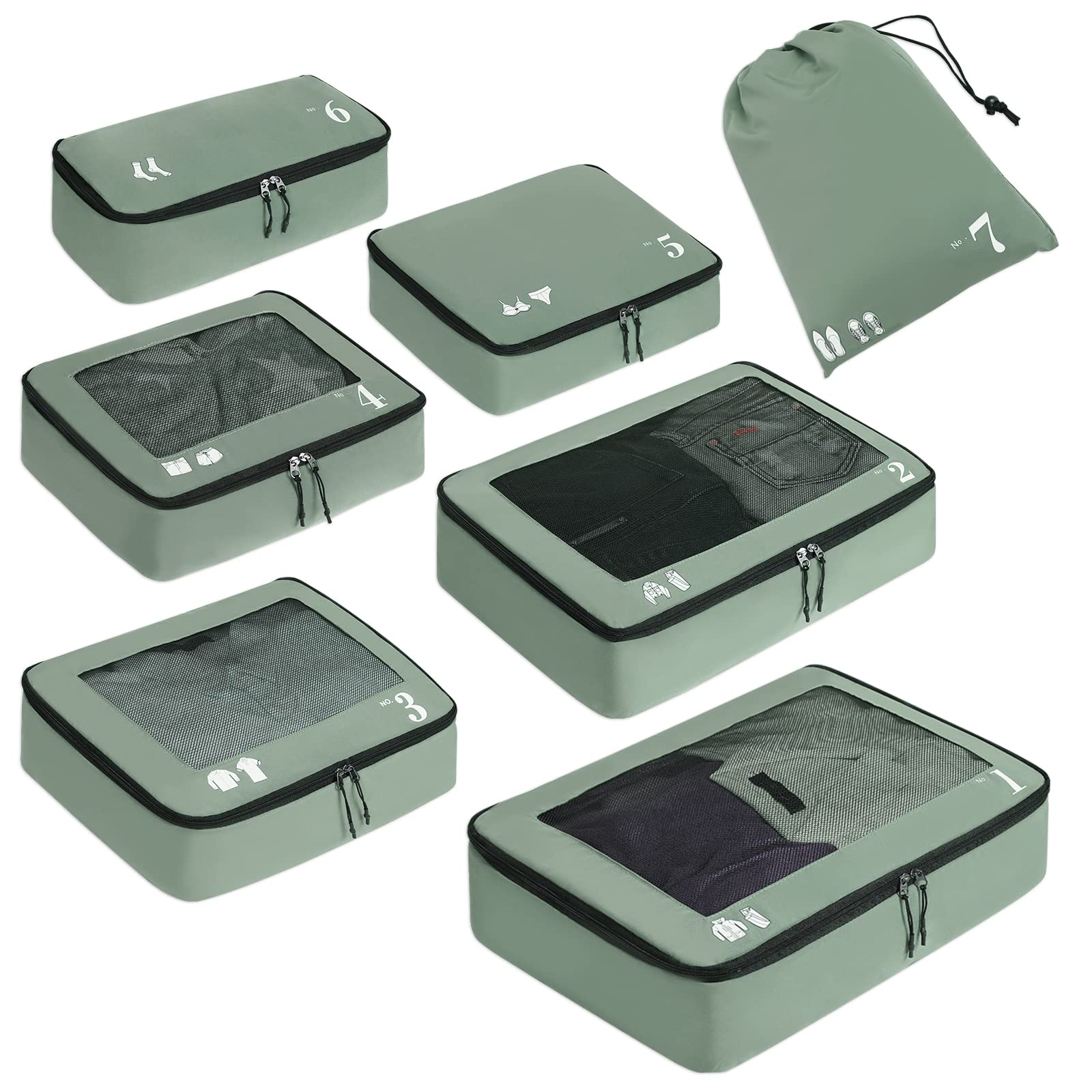
Many travel pouches, packing cubes, and toiletry bags are made from synthetic plastic materials. Opting for eco-friendly travel gear made from recycled or natural fibers can align your entire travel setup with a plastic-free mindset.
Brands like Terra Thread and Pakt create travel accessories using organic cotton or recycled polyester. For instance, Pakt’s Travel Backpack uses 100% recycled materials and offers smart compartments for plastic-free packing.
These organizers are not only sustainable but also durable, stylish, and functional—making eco-travel seamless and efficient.
Real-World Use Cases of Plastic-Free Travel
Adventure Travelers in Remote Areas
In remote destinations, trash collection is often nonexistent. A plastic-free travel setup—including a filtered water bottle, solid toiletries, and reusable food containers—prevents travelers from contributing to local waste issues while ensuring self-sufficiency in isolated environments.
Digital Nomads Living Abroad
Nomads staying for extended periods in foreign countries benefit from long-term reusable gear. From cloth bags to beeswax wraps, these sustainable solutions offer comfort, cleanliness, and savings without relying on plastic-heavy items that accumulate over time.
Eco-Conscious Families on Vacation
Families traveling with children can easily accumulate disposable items—from snack wrappers to diaper bags. Adopting a plastic-free travel kit ensures less waste and teaches children sustainability values from an early age.
Weekend Urban Explorers
Even short city breaks can generate surprising amounts of plastic waste. A minimal plastic-free kit with essentials like reusable utensils, a compact straw, and a solid deodorant bar can make a significant difference.
Frequent Flyers and Business Travelers
For those on regular work trips, small sustainable swaps like a bamboo toothbrush or refillable toiletry kit can create long-term environmental benefits while fitting neatly into corporate travel routines.
Benefits of Traveling Plastic-Free

Environmental Preservation
Plastic-free travel actively reduces pollution and safeguards ecosystems. Whether you’re on a beach in Thailand or a mountain in Peru, minimizing waste ensures these natural wonders remain untouched for future generations.
Healthier Lifestyle
By avoiding plastic-packaged foods and beverages, you reduce exposure to microplastics and potentially harmful chemicals like BPA and phthalates, which have been linked to hormonal imbalances and chronic health issues.
Cost Efficiency Over Time
Though some sustainable products have a higher upfront cost, they are designed for long-term use. Over time, travelers save significantly by reusing items rather than continually purchasing disposables.
Positive Social Impact
Traveling plastic-free promotes awareness and may inspire others—locals and fellow tourists alike—to adopt similar habits. It also supports brands and businesses that prioritize sustainability, encouraging broader change in the tourism industry.
FAQ
What are the easiest plastic-free swaps for beginner travelers?
Start with a reusable water bottle, solid shampoo bar, and compact utensil set. These three items eliminate a large portion of single-use plastics and are easy to integrate into any travel routine.
Is it possible to go completely plastic-free while flying?
While some airport and airline items are unavoidable, preparing a zero-waste kit with your container, straw, and water bottle can significantly cut down on your in-flight plastic use.
Are plastic-free travel products available worldwide?
Yes. While availability may vary by region, many plastic-free travel products can be found in eco-stores, co-ops, and even local markets around the world. However, it’s best to pack your essentials before departure.