Responsible tourism in Southeast Asia is more than just a travel trend — it’s a transformative approach to experiencing one of the world’s most culturally rich and environmentally diverse regions. As tourism grows, the need for sustainable, ethical travel becomes increasingly urgent. This guide offers deep insights into what responsible tourism entails, the benefits of technology in supporting it, real-world case studies, and practical use cases for conscientious travelers.
What Is Responsible Tourism?
Responsible tourism refers to traveling in a way that minimizes negative social, economic, and environmental impacts. In Southeast Asia — a region known for its natural beauty, cultural diversity, and developing economies — responsible tourism helps protect delicate ecosystems, supports local communities, and encourages authentic cultural exchange.
This form of tourism emphasizes accountability from travelers, travel companies, and host destinations. It involves making informed choices that prioritize long-term sustainability over short-term convenience. In countries like Thailand, Indonesia, and Vietnam, responsible tourism plays a critical role in preserving local heritage and protecting biodiversity.
Responsible travel includes activities such as staying in eco-friendly accommodations, supporting local businesses, reducing plastic use, respecting local customs, and participating in community-based tourism. It also encourages travelers to educate themselves about the challenges faced by host communities and engage in experiences that benefit both parties.
Why Responsible Tourism Matters in Southeast Asia
Southeast Asia faces numerous challenges from mass tourism — overcrowding, environmental degradation, and the commodification of local cultures. Beach destinations like Bali and Phuket, for instance, have experienced coral reef damage, waste management crises, and the displacement of indigenous communities.
By adopting responsible travel practices, visitors can actively contribute to reducing these negative effects. Ethical tourism fosters mutual respect between tourists and locals, helps preserve sacred sites, and encourages sustainable business practices that benefit future generations.
Furthermore, tourism is a major economic driver in many Southeast Asian countries. When done responsibly, it can lift communities out of poverty, empower women and marginalized groups, and create incentives for conservation efforts.
Technology and Its Role in Promoting Responsible Tourism
Technology plays a crucial role in facilitating responsible tourism across Southeast Asia. From mobile apps to online platforms, digital solutions enable travelers to make better choices while minimizing their environmental impact.
Mobile apps like RefillMyBottle help travelers locate water refill stations, drastically reducing single-use plastic bottle consumption. Booking platforms such as EcoBnB and BookDifferent allow users to search for eco-certified accommodations that meet sustainability criteria.
Real-time GPS tools help tourists avoid overcrowded attractions, preserving the cultural integrity of certain sites. Social media has also become an educational tool, raising awareness about ethical practices like avoiding elephant rides or purchasing wildlife products.
By integrating digital tools into the travel experience, technology empowers tourists to plan ethically responsible journeys, measure their impact, and share best practices with others.
Real-World Examples of Responsible Tourism Initiatives
1. G Adventures – Northern Thailand Community Tourism
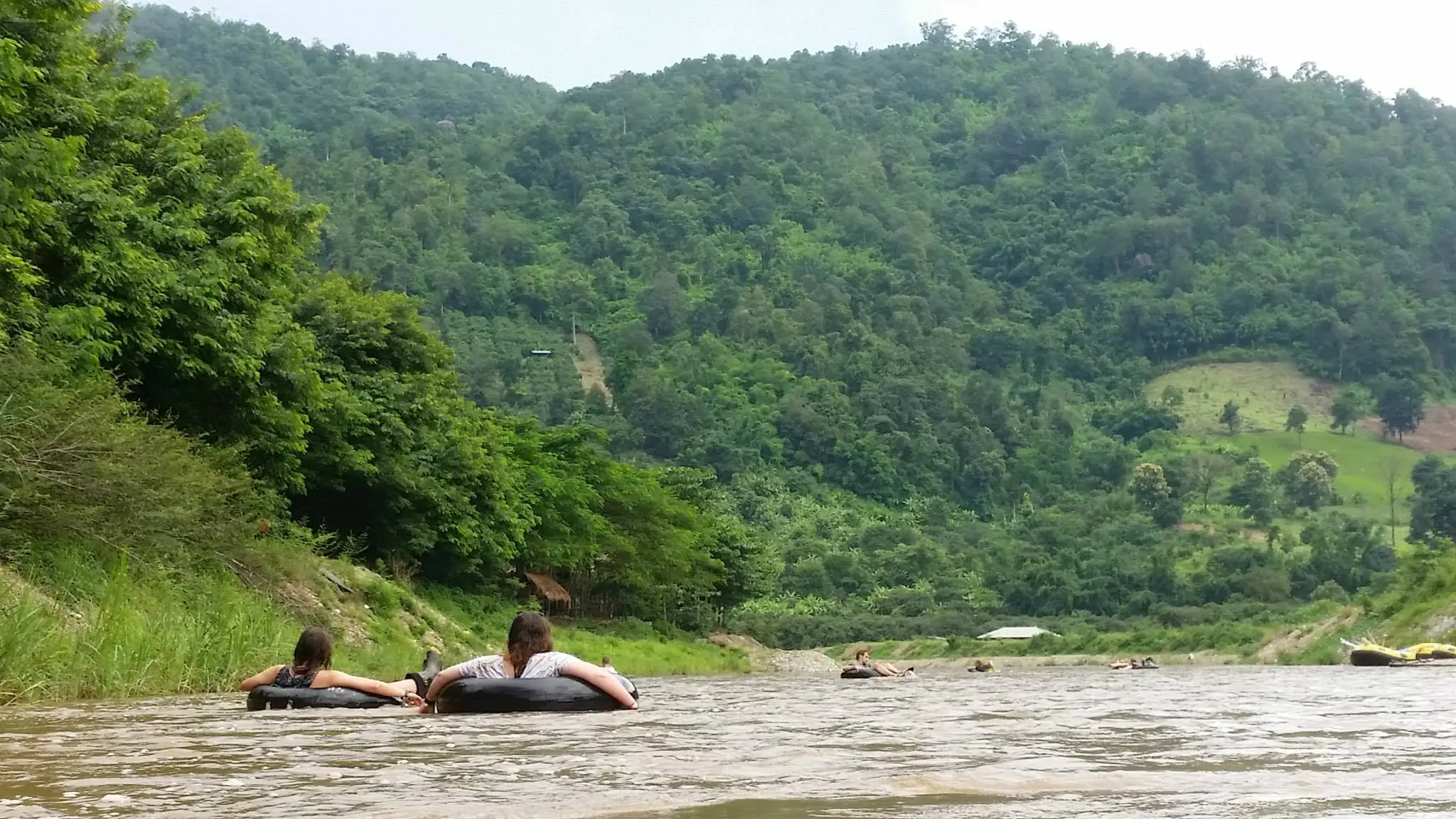
G Adventures collaborates with local hill tribes in Northern Thailand to create immersive homestay experiences. Travelers stay with host families, learn traditional weaving, and cook regional dishes, all while directly contributing to the local economy. These programs promote cultural understanding and discourage exploitative tourism practices.
2. Trash Hero – Southeast Asia Clean-Up Movement
Operating across countries like Thailand, Malaysia, and Indonesia, Trash Hero organizes weekly clean-ups and educational programs. Volunteers — both locals and tourists — gather to collect trash from beaches and urban areas. The initiative fosters environmental awareness and community action.
3. Wildlife Alliance – Cambodia Eco-Tourism Projects

Wildlife Alliance manages community-based eco-tourism in the Cardamom Mountains, offering forest patrol tours led by local rangers. These tours fund forest protection and provide employment, preventing illegal logging and wildlife poaching.
4. I Love Bali Network – Green Hotels Certification
In Bali, the I Love Bali Network certifies hotels that adhere to green building practices, waste reduction, and water conservation. Tourists are encouraged to stay in these certified accommodations to minimize their carbon footprint while enjoying luxury stays.
5. Misool Eco Resort – Marine Conservation in Raja Ampat

This eco-resort in Indonesia reinvests profits into its marine reserve and employs locals as conservation staff. Guests are educated about marine biodiversity and encouraged to support sustainable diving practices. This initiative showcases how luxury tourism can fund critical conservation work.
Benefits of Responsible Tourism in Southeast Asia
Empowerment of Local Communities
Responsible tourism often involves engaging with local communities in ways that respect their autonomy and culture. By supporting local guides, artisans, and homestays, travelers help keep the economic benefits within the region, reducing dependency on foreign operators.
Environmental Preservation
From rainforests to coral reefs, Southeast Asia is home to fragile ecosystems. Responsible tourism discourages practices like littering, overfishing, or habitat destruction. Initiatives such as carbon offset programs and sustainable transport options contribute to environmental stewardship.
Cultural Preservation and Respect
By educating travelers on local customs and encouraging respectful behavior, responsible tourism helps preserve the region’s intangible heritage. This includes safeguarding indigenous languages, traditional crafts, and spiritual practices that might otherwise be lost.
Improved Travel Experience
Tourists engaged in responsible practices often enjoy richer, more meaningful travel experiences. Whether it’s learning to cook traditional Lao food or joining a Vietnamese farming co-op, these interactions foster deep personal growth and mutual understanding.
Real-Life Use Cases and Applications
Reducing Overtourism in Bali

Overtourism has caused significant strain on Bali’s infrastructure and environment. Responsible travelers can choose alternative destinations like Lombok or Flores, helping to distribute the tourism load more evenly while still enjoying the Indonesian archipelago.
Cultural Immersion in Vietnam’s Sapa Region
Instead of rushed sightseeing tours, travelers can opt for multi-day treks in Sapa with local Hmong guides. This not only provides an authentic experience but also supports community tourism projects that improve livelihoods and education access.
Eco-Friendly Transportation in Bangkok
By using electric tuk-tuks or renting bicycles instead of conventional taxis, tourists in Bangkok can significantly reduce their carbon emissions while exploring the city. Apps like Grab now feature eco-rides to promote greener alternatives.
Protecting Wildlife in Malaysian Borneo
Visiting rehabilitation centers for orangutans and sun bears in Sabah, under strict ethical guidelines, helps support conservation without exploiting wildlife. These centers offer volunteer opportunities and educational tours that foster respect for endangered species.
Supporting Sustainable Souvenirs in Laos
Rather than buying factory-made trinkets, travelers can purchase handmade textiles and crafts directly from village cooperatives. These purchases help preserve traditional techniques and provide artisans with fair wages.
Frequently Asked Questions
Q1. What is the difference between responsible tourism and sustainable tourism?
While both terms aim for ethical travel, responsible tourism places more emphasis on the personal choices and behaviors of tourists. Sustainable tourism often refers to industry-wide practices that ensure long-term viability. Both are interconnected and work toward minimizing harm and maximizing benefits.
Q2. Can responsible tourism make a difference?
Yes, especially in regions like Southeast Asia, where tourism significantly impacts local communities and environments. Even small actions — like staying in eco-lodges, supporting local businesses, or reducing plastic use — can collectively lead to big changes when adopted widely.
Q3. How can I identify responsible tourism initiatives while planning my trip?
Look for certifications from reputable organizations (e.g., Green Globe, Rainforest Alliance), read traveler reviews, and research programs that involve the local community directly. Avoid companies that exploit animals, disrespect local cultures, or engage in greenwashing.