Slow Travel Destinations in Europe. In a world that glorifies speed and efficiency, slow travel is emerging as a conscious and enriching alternative. Rather than rushing through countries, checking off landmarks, or following rigid itineraries, slow travel emphasizes deeper connections, sustainability, and quality over quantity. Europe, with its compact geography, diverse cultures, and excellent transportation networks, is ideal for this travel philosophy.
This guide dives into the best slow travel destinations in Europe, explores their unique appeal, highlights how technology can enhance a slower pace of travel, and features real-world tools and tips for travelers seeking meaningful experiences.
What is Slow Travel and Why It Matters
Slow travel is not just about traveling slowly — it’s a mindset. It prioritizes immersion over intensity, depth over distance, and presence over pressure. Rather than jumping from one tourist site to another, slow travelers spend more time in fewer places, often choosing to stay in small towns, support local businesses, and reduce their environmental impact.
This approach aligns perfectly with current trends: eco-tourism, remote working, digital detoxing, and mental wellness. As travelers seek to escape the fast-paced world and engage more meaningfully with people and places, slow travel offers an ideal solution.
Why Europe is Perfect for Slow Travel
Europe’s diversity of cultures, well-preserved historical towns, local food traditions, and efficient public transport systems make it ideal for slow travel. The Schengen Area allows visa-free movement between many countries, making borderless wandering accessible and relaxed.
Charming countryside retreats, coastal villages, and pedestrian-friendly medieval towns allow visitors to walk, cycle, or take scenic trains rather than fly or drive long distances. Slow Travel Destinations in Europe. Moreover, many European countries are at the forefront of sustainable tourism initiatives, which support the slow travel ethos.
Benefits of Slow Travel Using Technology
Modern travelers can blend the old-world charm of Europe with smart travel tools that enhance the slow travel experience without compromising sustainability or authenticity.
Efficient Planning Without Over-Scheduling
Slow travel doesn’t mean disorganized travel. Apps like Rome2Rio or Omio help you explore alternative transit methods like ferries, regional trains, and buses. These options reduce carbon emissions compared to air travel and allow you to enjoy the journey, not just the destination.
Language and Local Connection
Tools like Google Translate or Duolingo can help bridge language gaps in rural areas. This fosters more direct communication with locals, enhancing your cultural exchange experience without relying on tourist traps.
Sustainable Accommodation Discovery
Platforms like Ecobnb and Fairbnb make it easier to find eco-conscious and locally owned lodging that supports community-based tourism. This supports the slow travel goal of leaving a positive footprint in the places you visit.
Real-World Slow Travel Destinations in Europe
Here are some of the best places in Europe that embody the slow travel philosophy. Each one offers unique charm, local engagement, and a slower rhythm of life.
1. Lofoten Islands, Norway
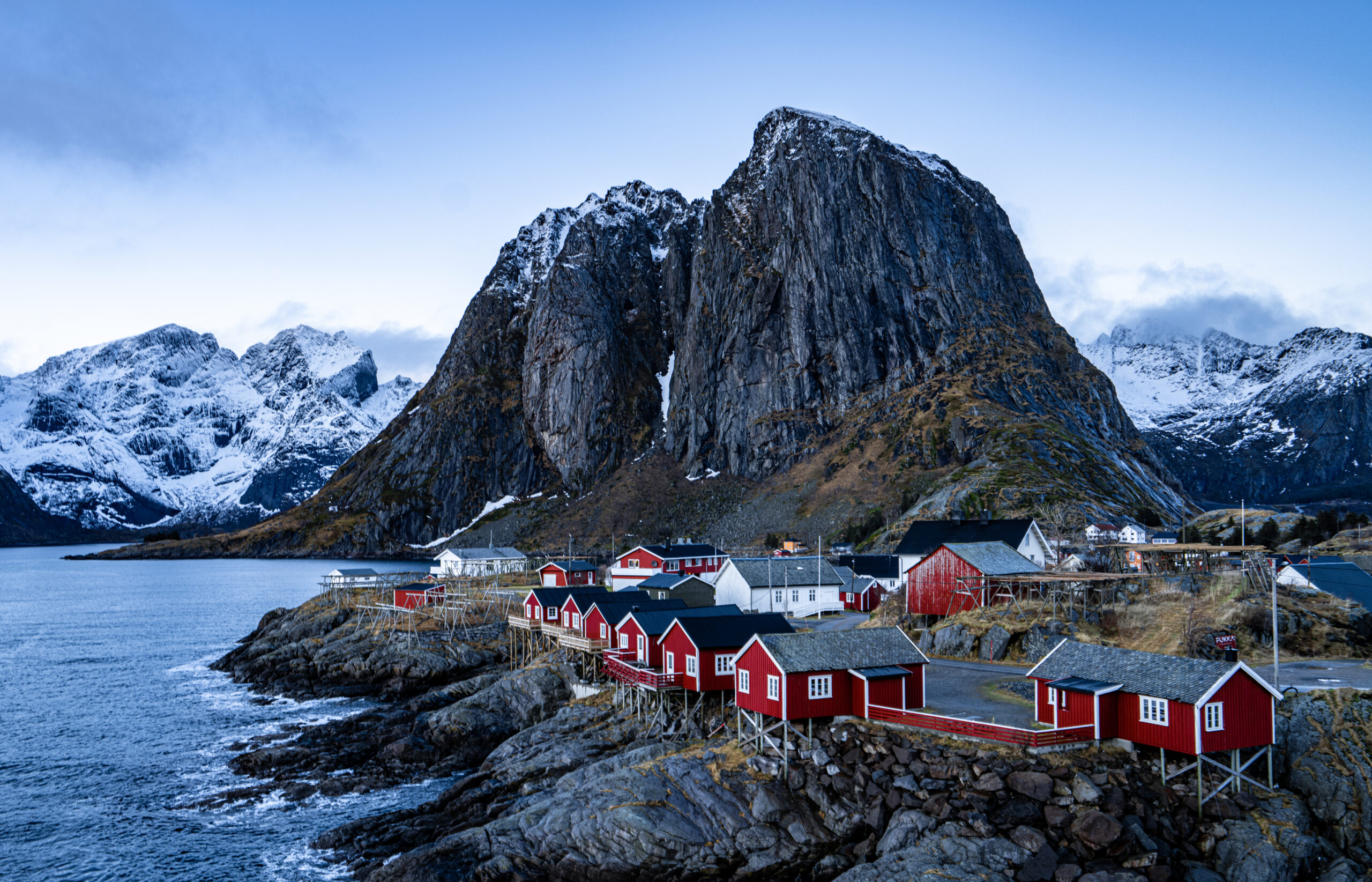
Located above the Arctic Circle, the Lofoten Islands offer dramatic landscapes, quiet fishing villages, and a serene escape from urban chaos.
Here, time seems to stretch. You can hike scenic coastal trails, kayak under the midnight sun, or just enjoy slow mornings in traditional rorbu cabins. The limited infrastructure discourages mass tourism, making it perfect for introspective travelers seeking solitude and nature.
2. Lucca, Italy
This walled Tuscan town is the epitome of slow living. Unlike nearby Florence or Pisa, Lucca maintains a relaxed pace, inviting you to explore by bicycle or on foot.
Lucca’s historic streets are car-free, filled with artisan boutiques and cozy trattorias. You can take a week to simply walk the ramparts, sip local wine, and talk with locals in open-air markets — no checklists, just presence.
3. Sintra, Portugal
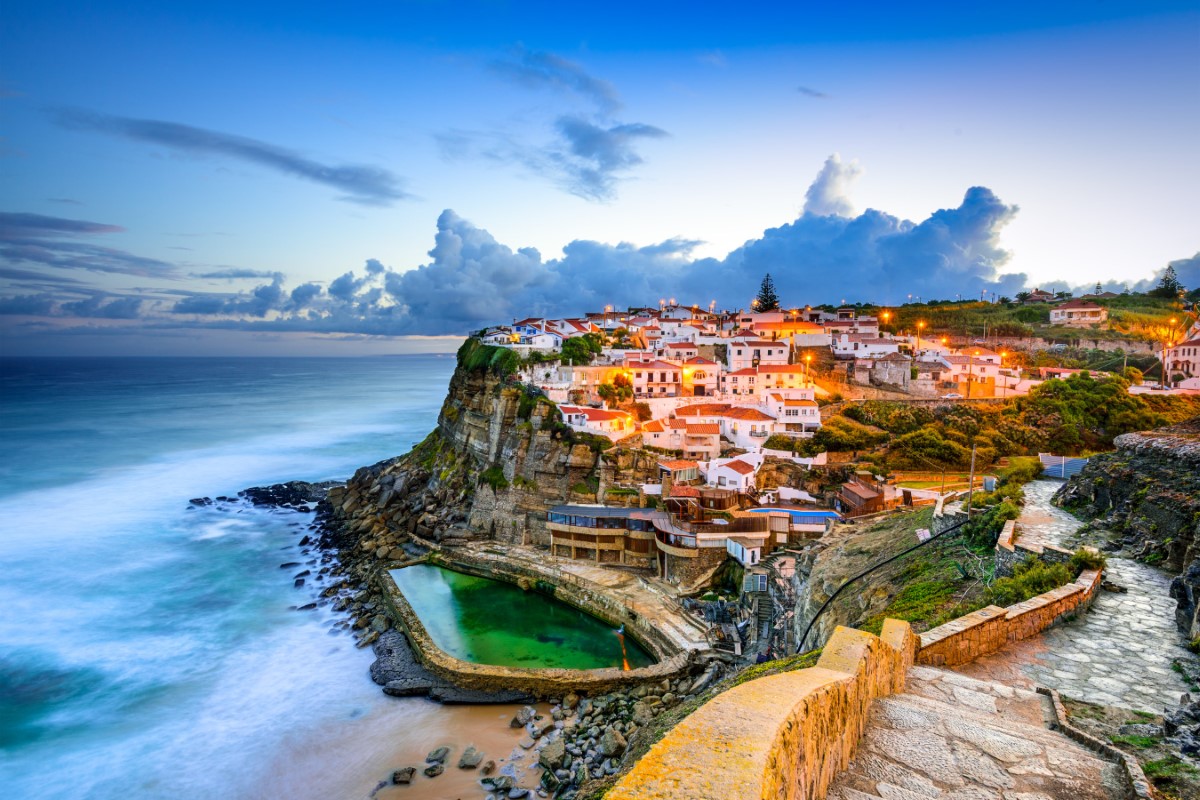
Nestled in forested hills near Lisbon, Sintra is a whimsical, romantic town full of palaces, misty trails, and pastel villas. Despite its popularity, it offers many off-the-beaten-path opportunities for slow travelers.
Stay in a local guesthouse, wander through lesser-known hiking paths, and explore its rich Moorish and Gothic heritage beyond the crowds. Visiting during the shoulder seasons amplifies the calm and allows a more reflective experience.
4. Kotor, Montenegro
A UNESCO World Heritage site, Kotor is a fortified town nestled between mountains and sea. Its winding alleys, medieval churches, and scenic bays create an atmosphere ripe for slow exploration.
Rather than hopping from town to town, travelers can stay in Kotor for a week or more, learning about its maritime history, enjoying local seafood, and kayaking on the tranquil bay.
5. Lake Bled, Slovenia
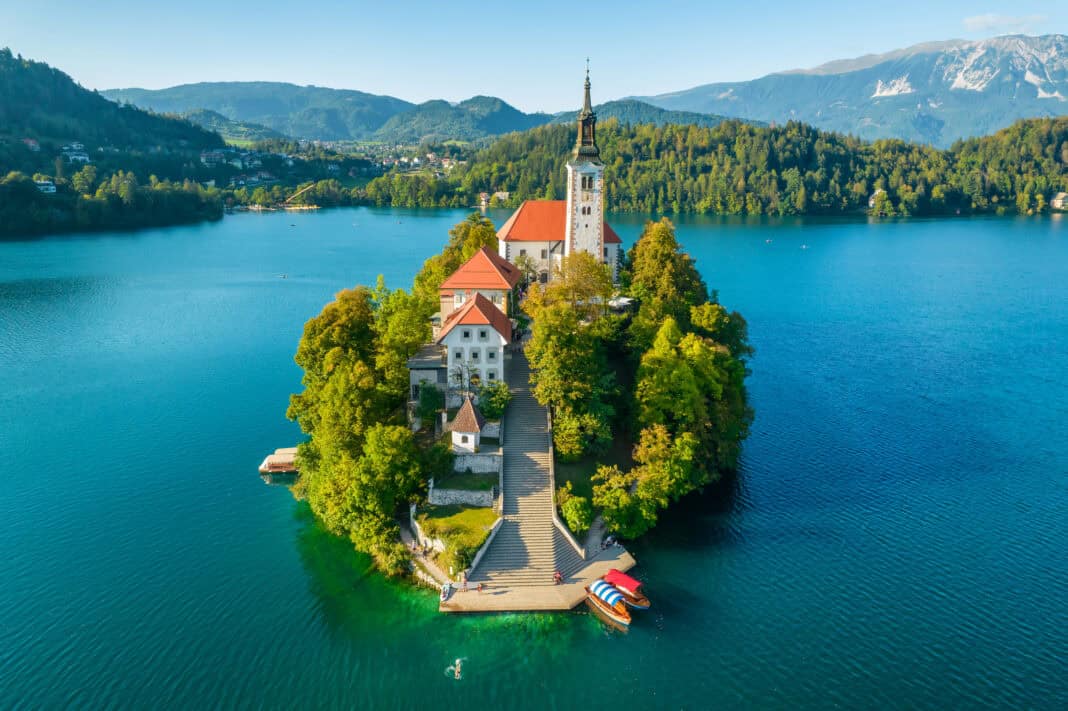
Famous for its postcard-perfect scenery, Lake Bled invites travelers to experience Slovenia’s natural beauty slowly. A walk around the lake takes only an hour, yet every view reveals new photo-worthy angles.
Visitors can row a traditional pletna boat to Bled Island, hike to panoramic viewpoints, or soak in wellness spas. The slow pace of life here matches the gentle ripples of the lake itself.
Use Cases: How Slow Travel Solves Real Travel Challenges
Understanding how slow travel solves common issues makes it easier to appreciate its value in modern tourism.
Problem: Travel Burnout and Overwhelm
Fast-paced travel often leads to exhaustion, stress, and missing meaningful moments. Slow travel allows rest, flexibility, and deeper engagement, helping travelers avoid burnout.
Problem: Over-Tourism and Cultural Erosion
Popular destinations like Venice or Barcelona suffer from over-tourism. By choosing lesser-known towns and spending more time in each location, slow travelers reduce strain on urban centers and support smaller communities.
Problem: Environmental Concerns
Frequent flights and mass tourism contribute to climate change. Slow travel encourages train travel, walking, and longer stays, reducing carbon footprints and waste production.
Problem: Lack of Cultural Connection
Group tours and rushed itineraries often limit authentic interactions. Slow travelers shop in local markets, attend community events, and learn a few phrases of the native language, enhancing cultural exchange.
Practical Advantages of Slow Travel
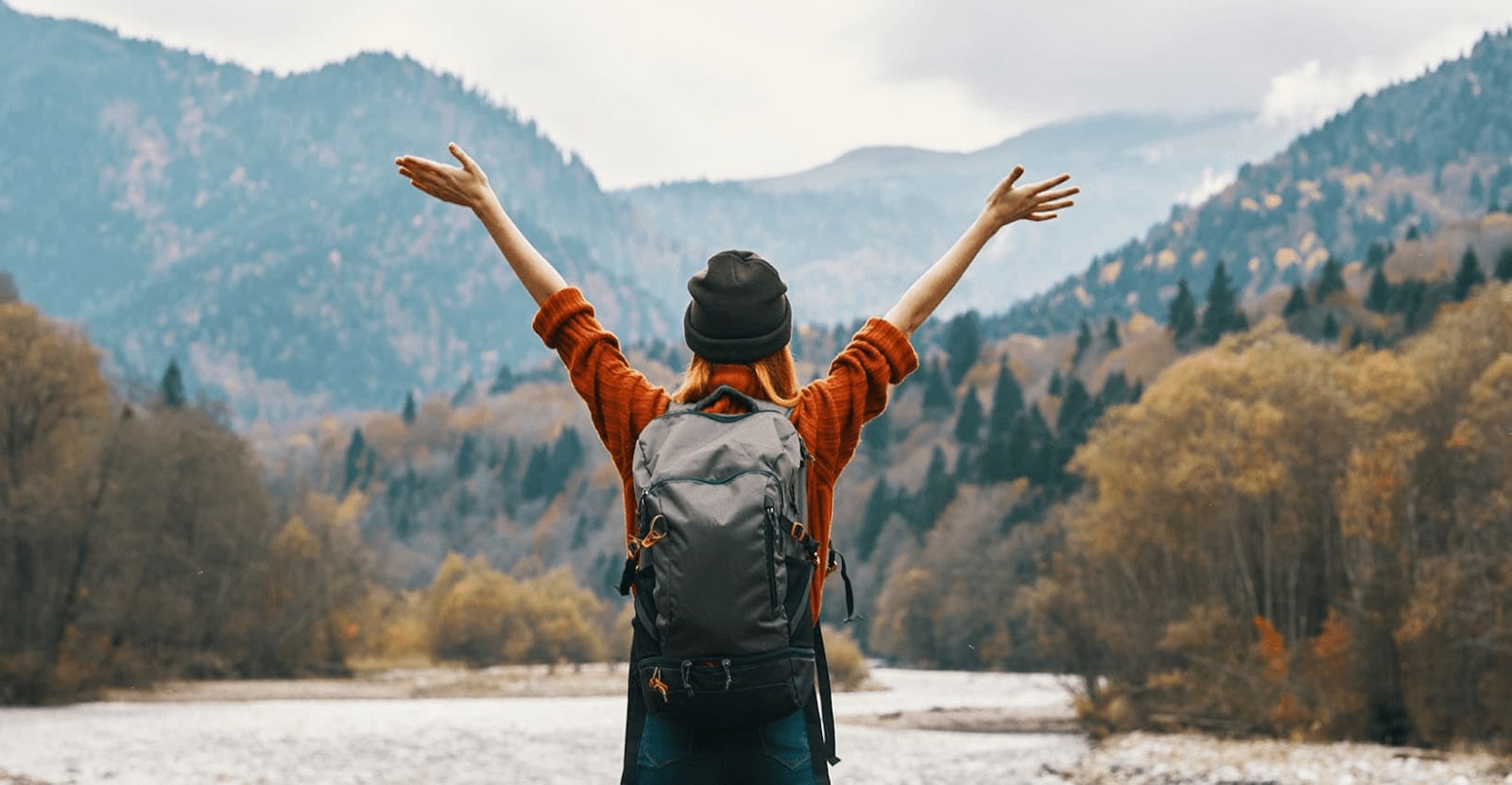
Slow travel not only enhances your experience but also makes your journey more rewarding in these key ways:
Deep Immersion in Local Life
Staying in one place for a longer period lets you attend festivals, volunteer, or even join classes like cooking or painting. You become part of the rhythm of local life rather than just a passing visitor.
Budget-Friendly Experience
Contrary to belief, slow travel can be more affordable. Extended stays often qualify for discounts, and traveling less frequently between places saves on transportation costs. Cooking local ingredients at home or in your accommodation also cuts dining expenses.
Reduced Travel Stress
You avoid the hassle of daily check-ins and long travel days by staying put. That means less stress about catching trains or packing constantly, and more energy to enjoy your surroundings.
Space for Mindfulness and Reflection
A slower itinerary means you can journal, meditate, or simply watch the world go by. Whether it’s people-watching in a café or taking a quiet forest walk, these moments of stillness are often the most memorable.
Supporting Tools and Services for Slow Travelers
Here are some relevant tools and use cases for people embracing slow travel:
Omio Travel App
Omio is an all-in-one travel app that helps you book train, bus, and ferry rides across Europe. It’s particularly useful for planning low-impact journeys in rural or lesser-known areas.
You can explore hidden gems without flying, compare carbon footprints, and book eco-friendly routes — all within one app.
Komoot Hiking and Biking GPS App
Ideal for slow travelers who enjoy nature and want to explore at their own pace. Komoot provides offline maps, trail recommendations, and detailed navigation for cyclists and hikers.
This app is perfect for exploring countryside paths, forest trails, and coastal walks, helping you avoid tourist-heavy attractions and connect with nature.
Workaway Platform
Workaway connects travelers with hosts across Europe who offer accommodation in exchange for volunteer work. This is slow travel at its best — learning from locals while contributing to their community.
You might help out on a farm in southern France or assist at a guesthouse in Croatia. These cultural exchanges are often transformative and deeply meaningful.
Polarsteps Digital Travel Journal
Polarsteps automatically tracks your route, lets you document your travels, and even creates a printable travel book.
It enhances your slow travel experience by encouraging reflection, storytelling, and sharing meaningful moments rather than snapshots and selfies.
Frequently Asked Questions
Q1. Is slow travel suitable for short vacations?
Yes. Even with limited time, you can embrace the principles of slow travel by choosing one location, immersing yourself in the culture, and focusing on quality experiences instead of quantity.
Q2. How do I choose the right slow travel destination in Europe?
Consider your interests: nature, culture, food, or history. Choose places that align with your passions and avoid overcrowded tourist hubs. Research off-season travel options and local events to deepen your connection.
Q3. Can slow travel be done with children or as a family?
Absolutely. Slow travel allows families to bond more deeply and avoid the stress of constant movement. Choose family-friendly destinations with activities like nature trails, farms, or cultural workshops.