Voluntourism — a blend of volunteering and tourism — is more than just a travel trend. It’s a growing global movement that combines meaningful service with immersive cultural experiences. Voluntourism programs abroad allow individuals to contribute to important social, environmental, and humanitarian causes while exploring new parts of the world.
From teaching English in rural villages to supporting wildlife conservation efforts, voluntourism creates opportunities to give back, gain perspective, and form authentic global connections. This in-depth guide explores how voluntourism works, how technology supports its growth, real-world program examples, and the ethical considerations every traveler must know.
Understanding Voluntourism: What It Is and Why It Matters
Voluntourism is the act of participating in volunteer work while traveling abroad, often through structured programs that involve short- or medium-term commitments. It bridges the gap between tourism and meaningful service, giving travelers a chance to contribute skills, time, and energy to projects around the world.
The concept gained momentum in the early 2000s as more travelers sought experiences that moved beyond sightseeing. Today, voluntourism spans diverse sectors — from education and healthcare to environmental conservation and community development.
Unlike traditional tourism, voluntourism requires deeper cultural immersion, empathy, and often adaptability. In return, it offers lasting memories, personal growth, and the ability to make a measurable difference.
Key Characteristics of Voluntourism Programs Abroad
Voluntourism programs come in various forms, but they typically include a combination of:
-
Structured volunteer opportunities, often with a host organization or NGO.
-
Cultural immersion, through local living arrangements, language learning, or daily interactions.
-
Skill-building and personal development, especially for students, career changers, or retirees.
-
Short-term impact, as most programs last from one week to several months.
The goal is to foster cross-cultural understanding while addressing critical challenges in underserved regions. However, responsible participation and ethical awareness are essential to ensure the work benefits local communities without creating dependency or harm.
Benefits of Voluntourism Supported by Technology

In 2025, digital tools and platforms are playing a vital role in making voluntourism more transparent, effective, and accessible.
Streamlined Program Discovery and Matching
Digital platforms like GivingWay or GoAbroad allow users to search and compare programs by country, cause, length, and skill set. These tools reduce guesswork and ensure travelers find initiatives that align with their values and abilities.
You can also view reviews, browse real volunteer stories, and connect directly with hosts — helping establish trust before you even arrive.
Enhanced Communication and Cultural Prep
Tools like Google Translate, Duolingo, or WhatsApp make cross-cultural communication more seamless, especially in remote areas. Volunteers can coordinate with local partners, join virtual orientations, and even take language courses before arriving on-site.
This reduces misunderstandings and fosters smoother integration with the host community.
Impact Tracking and Accountability
Many programs now use digital dashboards or mobile apps to track hours worked, contributions made, and impact outcomes. This allows volunteers to see their direct influence and helps NGOs report on long-term progress.
Blockchain-backed platforms are also emerging to track donations and ensure transparency in how funds are used.
Real-World Voluntourism Programs Abroad
Here are four standout voluntourism programs that exemplify ethical service, cultural immersion, and global impact.
GVI (Global Vision International) – Marine Conservation in Seychelles

GVI’s marine conservation program in the Seychelles trains volunteers to contribute to coral reef monitoring, data collection, and species identification.
Volunteers gain hands-on scientific diving experience while contributing to marine biodiversity efforts. This program supports local researchers and policymakers in making data-driven decisions to protect fragile ecosystems in the Indian Ocean.
Projects Abroad – Public Health in Ghana
Projects Abroad offers a public health initiative in Ghana, where volunteers assist with health screenings, awareness campaigns, and sanitation education.
This program is ideal for medical students or pre-health professionals seeking field experience. It strengthens local healthcare infrastructure by offering free services in underserved communities, while educating volunteers on global health disparities.
IVHQ – Teaching English in Vietnam
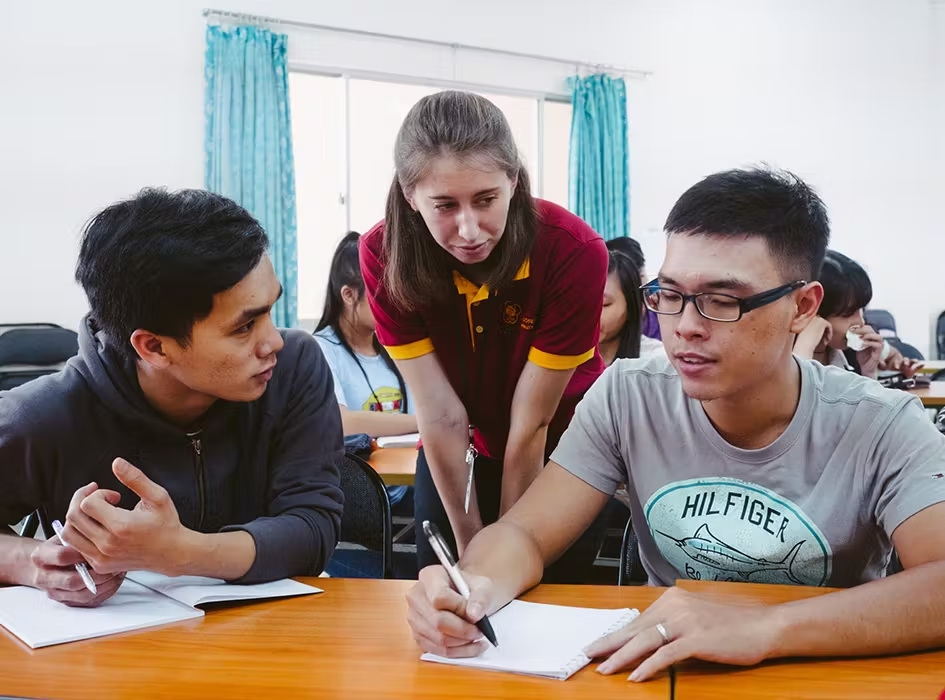
The International Volunteer HQ’s teaching program places volunteers in schools and community centers across Hanoi and Ho Chi Minh City to support English education.
With limited access to native speakers, many Vietnamese students benefit greatly from even short-term volunteer interaction. Volunteers assist local teachers, develop lesson plans, and create fun, engaging learning environments that leave a lasting impact.
WWOOF (World Wide Opportunities on Organic Farms) – Sustainable Agriculture in Italy
WWOOF connects volunteers with organic farms across Italy, where they learn sustainable farming methods while contributing to food production.
This immersive experience allows volunteers to work side-by-side with local farmers, understand traditional agricultural practices, and live sustainably. It’s especially attractive to travelers interested in environmental stewardship and food justice.
Use Cases: What Problems Voluntourism Programs Abroad Help Solve
Voluntourism, when done right, addresses a range of real-world problems by connecting global volunteers to localized needs.
Problem: Understaffed Education Systems
In many rural or developing areas, teacher shortages hinder student progress. Voluntourism programs bring supplemental support, expose students to diverse perspectives, and promote language development in ESL (English as a Second Language) contexts.
Problem: Lack of Healthcare Access
Public health programs help bridge healthcare gaps in underfunded communities. Volunteers can perform health checks, promote hygiene, and assist medical professionals during outreach campaigns — improving long-term community well-being.
Problem: Environmental Degradation
Climate change, deforestation, and coral bleaching threaten ecosystems globally. Voluntourism allows travelers to contribute hands-on to conservation efforts such as wildlife tracking, reef restoration, and reforestation — efforts that are often labor-intensive and under-resourced.
Problem: Economic Inequality
By living with host families and spending locally, volunteers help support grassroots economies. Programs that emphasize community-based tourism ensure funds stay within the local system and create jobs for local coordinators, cooks, and guides.
Practical Advantages of Voluntourism Abroad
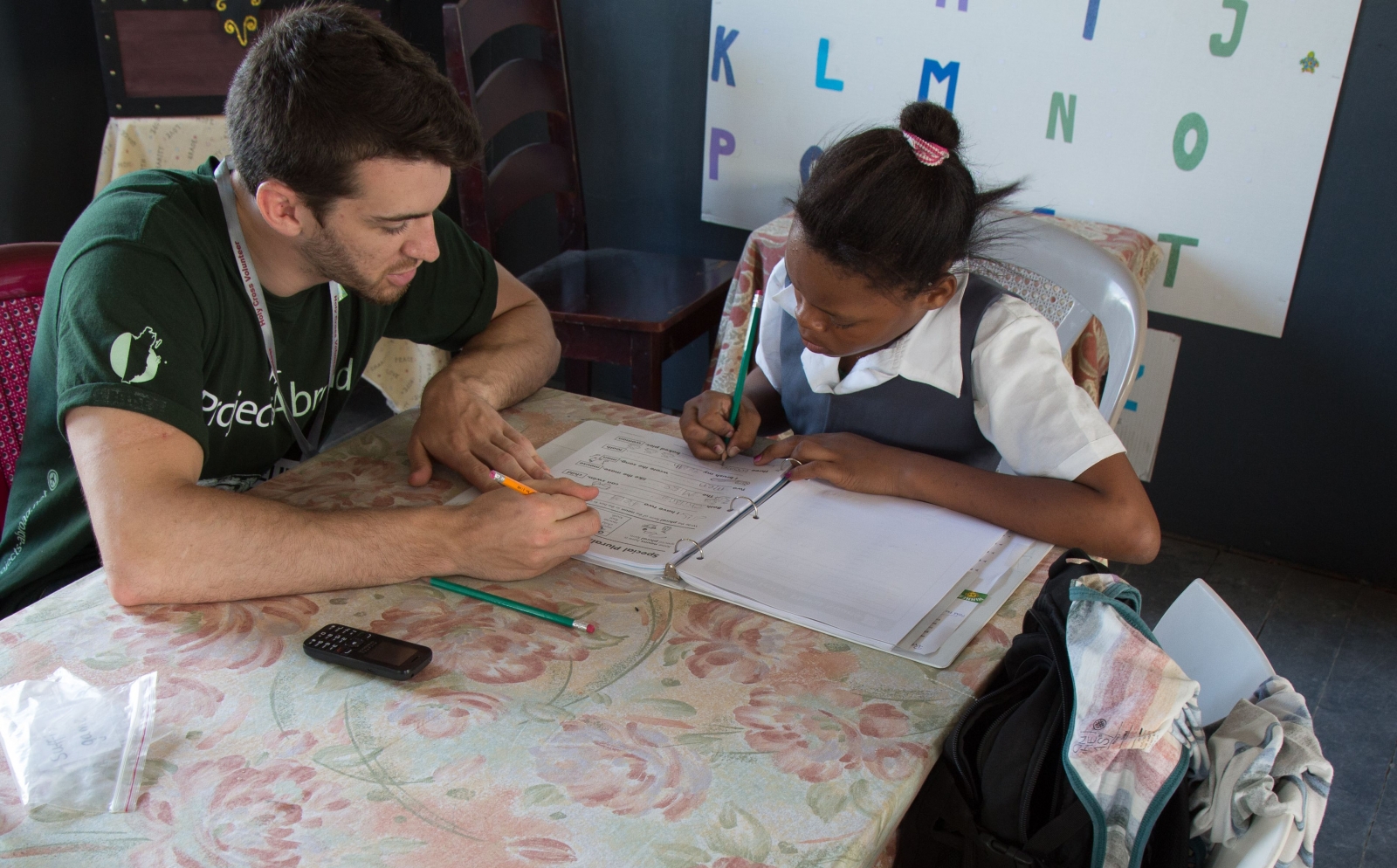
Beyond its impact on host communities, voluntourism offers meaningful benefits for the traveler as well.
Cultural Immersion
Living and working closely with locals provides deep cultural understanding that’s rarely achieved through traditional tourism. Volunteers experience daily life, learn regional customs, and often form lasting relationships with their hosts and fellow volunteers.
Skill Development
Many voluntourism experiences serve as informal training grounds for real-world skills. These include language learning, cross-cultural communication, project management, and even hands-on skills like teaching or farming. For students and professionals, this can enhance resumes and expand career paths.
Emotional Fulfillment
Voluntourism offers a strong sense of purpose. Contributing to something larger than oneself often leads to increased empathy, gratitude, and perspective. Many volunteers report personal growth and emotional reward as key takeaways from their experiences.
Responsible Tourism Practices
Programs designed with sustainability in mind encourage responsible travel habits, such as reduced waste, support for local artisans, and respect for cultural traditions. Volunteers become ambassadors for ethical travel and inspire others to engage more mindfully.
Technology Tools That Enhance Voluntourism Experiences
Modern digital tools continue to expand the scope and impact of voluntourism programs abroad.
Workaway Platform

Workaway connects volunteers with hosts offering food and accommodation in exchange for help. From community projects in Africa to hostel support in Europe, the platform supports direct communication and reviews to ensure transparency.
Travelers can build custom itineraries, message hosts, and find programs that align with their skills — all within an easy-to-use app.
Duolingo Language App
For volunteers heading into non-English-speaking regions, Duolingo offers a fun and structured way to build basic language skills. Learning even a few key phrases goes a long way in building trust and improving communication.
Language confidence also empowers volunteers to engage more fully and respectfully within host communities.
Trello or Notion for Project Coordination
Trello or Notion for Project Coordination
Volunteers working on structured projects — such as building infrastructure or coordinating workshops — benefit from apps like Trello or Notion to stay organized.
These platforms help track tasks, document outcomes, and align efforts across teams. They’re especially useful for group projects and longer-term commitments.
Ethical Considerations in Voluntourism
While voluntourism can yield powerful benefits, it’s not without controversy. Travelers must be mindful of their motivations and the potential impact of their work.
-
Avoid Orphanage Tourism: Short-term volunteer interaction in orphanages can lead to attachment issues for children and is often linked to unethical recruitment practices.
-
Don’t Overestimate Your Skills: Teaching without training or offering medical help without qualifications can do more harm than good. Choose roles that match your abilities.
-
Support Local Leadership: The most impactful programs are community-led. Ensure the organization involves local stakeholders in decision-making and long-term planning.
-
Respect Culture and Boundaries: Avoid treating volunteer trips as photo ops. Be humble, ask permission, and prioritize learning over imposing solutions.
Frequently Asked Questions
Q1. How long should I commit to a voluntourism program abroad?
While some programs accept volunteers for one week, staying at least 2–4 weeks allows you to build stronger relationships and contribute more meaningfully. The longer you stay, the more trust and understanding you develop within the community.
Q2. Are voluntourism programs only for students or young people?
No. Voluntourism welcomes people of all ages. Many retirees, families, and professionals take part. What matters most is your intention, willingness to learn, and ability to contribute based on your skills.
Q3. Can voluntourism be harmful to local communities?
Yes, if poorly structured. Harm can arise from dependency, cultural insensitivity, or lack of oversight. To avoid this, choose programs that are ethical, transparent, and rooted in local leadership.