Travel can be thrilling, transformative, and rejuvenating — but it often comes at a cost to the environment. With tourism contributing significantly to plastic pollution, carbon emissions, and waste, it’s more important than ever for travelers to adopt zero-waste habits. This article explores essential zero-waste travel tips, real-world tools, and actionable insights that empower eco-conscious individuals to make a meaningful difference while exploring the world.
What is Zero Waste Travel?
Zero-waste travel is an environmentally responsible way of exploring the world that minimizes trash, single-use plastic, and carbon emissions. Instead of relying on disposable products and wasteful habits, travelers make conscious choices that reduce their impact on the environment.
Zero-waste travel is not about being perfect. It’s about making informed, sustainable choices consistently—whether that means carrying a reusable water bottle, avoiding plastic-wrapped snacks, or staying in eco-certified accommodations. The goal is to reduce what you send to landfills, especially in regions where waste management is poor.
Essential Principles of Zero Waste Travel
Adopting a zero-waste travel lifestyle starts with understanding and practicing core sustainability principles. These include:
Refuse: Say no to items you don’t need, especially disposable freebies like hotel toiletries, straws, or plastic bags.
Reduce: Cut down on what you use — from packaging to excessive clothing and unnecessary tech gadgets.
Reuse: Invest in quality, reusable items such as water bottles, utensils, bags, and containers.
Recycle: Sort and dispose of recyclable waste properly, especially in countries with efficient systems.
Rot: Compost biodegradable waste when and where possible, especially food scraps and organic material.
These principles form the foundation of a sustainable travel mindset and influence every decision made on the road.
Benefits of Zero Waste Travel in 2025
Zero waste travel is more than a trend — it’s a lifestyle with far-reaching benefits for both the planet and the traveler. In 2025, technology and awareness have combined to make sustainable travel more accessible and impactful than ever.
Reduced Environmental Impact
By minimizing single-use plastics and embracing reusable products, travelers significantly reduce their contribution to landfill waste and ocean pollution. For example, carrying your own bamboo cutlery and metal straws eliminates the need for disposables at every meal.
Improved Health and Hygiene
Using your containers and utensils means you’re not relying on potentially unsanitary single-use items. Refillable toiletries also reduce exposure to harsh chemicals often found in hotel-provided products.
Lighter, Smarter Packing
Zero-waste travel encourages minimalism. Instead of packing countless plastic-wrapped items, you bring only what’s necessary—usually in compact, reusable formats. This results in lighter luggage and a more streamlined travel experience.
Cost Savings Over Time
Although initial investments in zero-waste tools might seem high, reusable items save money in the long term. For instance, a filtered water bottle eliminates the need to buy bottled water during your entire trip.
Real-World Zero Waste Travel Tools and Examples
Here are several essential tools and use cases that align perfectly with a zero-waste travel lifestyle.
1. GRAYL GeoPress Purifier Bottle
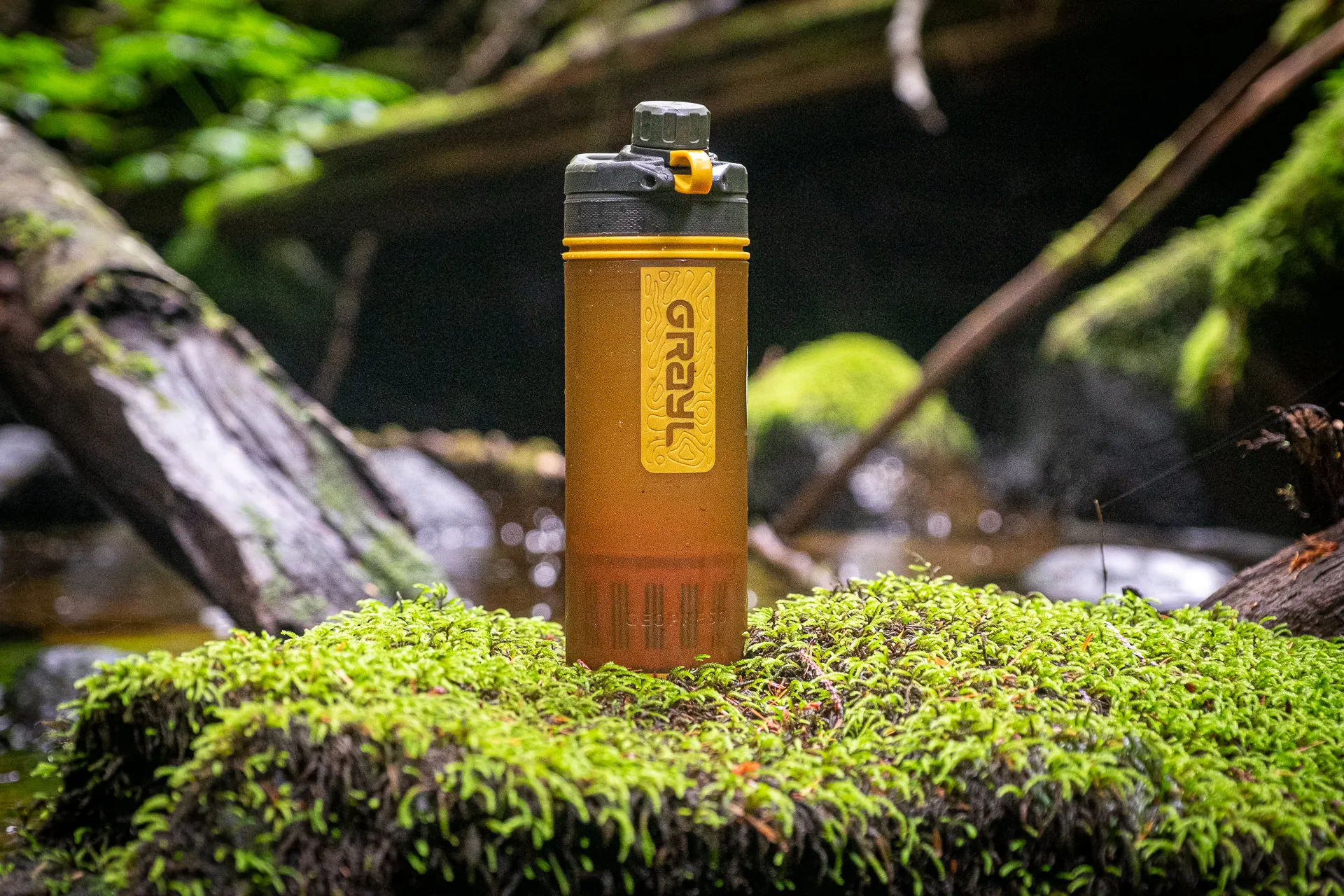
The GRAYL GeoPress is a top-tier water purification bottle that enables travelers to safely drink from virtually any freshwater source.
This reusable water bottle purifies water in seconds, removing viruses, bacteria, and protozoa. It eliminates the need for buying bottled water, especially in countries with unreliable tap water. It also reduces plastic waste significantly while ensuring travelers stay hydrated and safe.
2. Bee’s Wrap Reusable Food Wraps
These organic cotton wraps coated in beeswax replace plastic wrap and zip-lock bags for storing food on the go.
Ideal for sandwiches, snacks, or leftover meals from restaurants, Bee’s Wrap helps travelers avoid single-use food packaging. After use, they can be washed and reused for months, reducing food-related waste dramatically.
3. To-Go Ware Bamboo Utensil Set

A compact travel kit containing a fork, knife, spoon, and chopsticks, all made from sustainable bamboo.
This set ensures you never have to rely on plastic cutlery while eating on planes, trains, or from food trucks. It comes with a washable pouch, making it hygienic and easy to carry. It’s a simple switch that reduces hundreds of disposable items throughout the year.
4. Stasher Silicone Reusable Bags
These versatile, reusable silicone bags replace single-use plastic baggies and are safe for food storage, freezing, and even cooking.
Perfect for carrying snacks, storing toiletries, or organizing electronics, Stasher bags are an essential part of any zero-waste traveler’s toolkit. They last for years and can be easily washed after use.
5. Ethique Solid Shampoo & Conditioner Bars

Ethique’s solid haircare bars are plastic-free alternatives to traditional shampoo and conditioner bottles.
Compact, mess-free, and TSA-approved, these bars eliminate the need for plastic bottles in your toiletry kit. Zero Waste Travel Tips. They also last longer than liquid alternatives and contain fewer harsh chemicals.
Practical Use Cases: Solving Common Travel Waste Problems
Understanding how zero-waste tools and tips solve real travel problems helps solidify their value. Here are some common issues travelers face and how zero-waste solutions make a difference.
Problem: Single-Use Plastics in Airports and Flights
Airports and airlines still heavily rely on plastic-wrapped meals, plastic cutlery, and bottled beverages. By carrying a reusable water bottle, snack container, and utensils, you eliminate the need for disposable service items.
Problem: Lack of Safe Drinking Water Abroad
In regions without potable tap water, travelers often resort to bottled water. A reusable purifier like GRAYL ensures safe drinking water while preventing the use of dozens of plastic bottles on each trip.
Problem: Takeaway Food Waste
Exploring local food scenes often means getting takeaway or street food. Reusable wraps, silicone bags, and containers allow you to avoid Styrofoam clamshells and plastic wraps.
Problem: Bulk Toiletries
Traditional travel toiletry kits are full of travel-sized plastics that get discarded after a few uses. Solid shampoo bars and refillable travel containers solve this by being long-lasting and packaging-free.
Problem: Souvenir Shopping
Tourist souvenirs are often cheap, plastic-based trinkets. Zero-waste travelers opt for digital memories, experiences, or locally made, sustainable goods instead.
How Technology Supports Zero Waste Travel

Technology is a key enabler of sustainable travel practices. From mobile apps to smart gear, the following innovations are helping eco-conscious travelers reduce waste efficiently.
Sustainable Travel Apps
Apps like “HappyCow” help travelers locate vegan and eco-friendly dining options, reducing reliance on meat-heavy or wasteful establishments. “RefillMyBottle” shows where you can refill your water bottle safely, helping eliminate bottled water usage globally.
Digital Boarding Passes and Itineraries
Airlines and hotels now offer paperless check-ins, reducing the need to print physical boarding passes and reservation documents. Using cloud storage or travel planning apps cuts down paper waste.
Eco-Certified Booking Platforms
Sites like “EcoBnB” and “BookDifferent” allow travelers to find accommodations that meet verified sustainability criteria. Zero Waste Travel Tips. These platforms prioritize low-waste lodging options, recycling programs, and energy efficiency.
Long-Term Advantages of Embracing Zero Waste Travel
While the short-term benefits of zero waste travel are tangible, the long-term advantages are even more powerful. These include:
-
Influencing Tourism Trends: By supporting zero-waste services and destinations, travelers influence the tourism industry to adopt greener practices.
-
Environmental Stewardship: Small actions collectively lead to large-scale environmental change, protecting the places we love to visit.
-
Community Impact: Avoiding plastic and supporting local, sustainable businesses helps communities maintain cleaner environments and healthier economies.
-
Personal Fulfillment: Traveling with purpose and integrity often leads to a more rewarding, mindful experience that aligns with personal values.
Frequently Asked Questions
Q1. What is the easiest first step for someone new to zero-waste travel?
Start with a reusable water bottle and utensil set. These small, practical items are used frequently during any trip and immediately reduce reliance on single-use plastics. They’re also lightweight and easy to pack.
Q2. Is zero-waste travel possible in developing countries or remote areas?
Yes, but it requires more planning. Bring your water purification system, containers, and reusable wraps. In areas with limited infrastructure, being self-sufficient is key to staying waste-free.
Q3. Are solid toiletries effective and safe for all hair and skin types?
Many solid toiletries are made with natural ingredients and are available in different formulations. Brands like Ethique offer bars for dry, oily, and sensitive skin types. It may take trial and error to find the perfect match, but they’re generally very effective.